
Crushing Lines for Harsh Mining Conditions | Leimeng
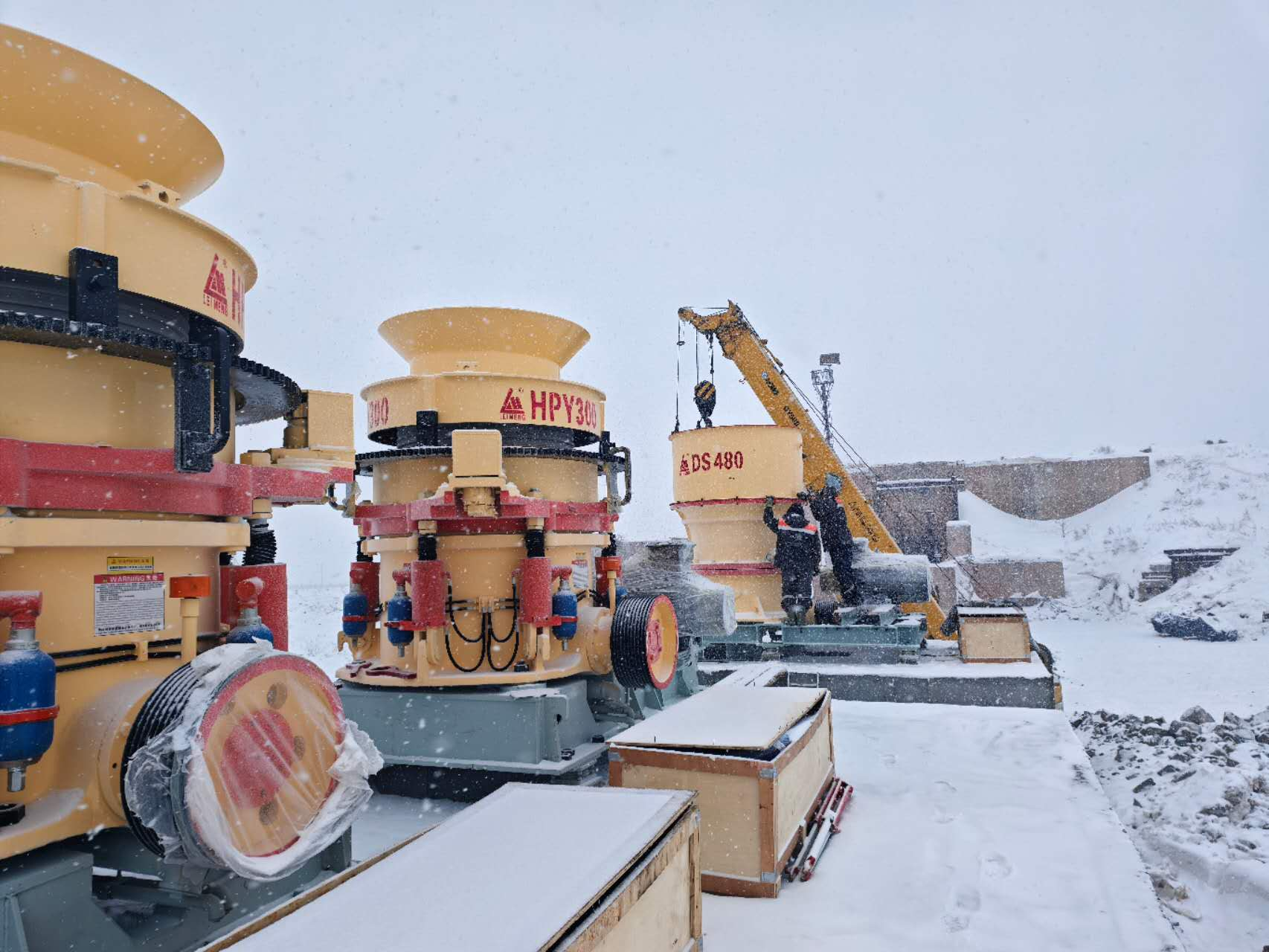
Reliable Crushing Equipment in Harsh Mining Conditions
In mining and aggregate production, a crusher is not judged by its specifications alone. The real test comes after installation, when the equipment has to start, run and keep producing under difficult site conditions.
For overseas projects, this challenge is even clearer. A crushing and screening line may need to work in freezing winters, desert heat, heavy dust, high humidity or continuous rainfall. In these environments, stable production depends on more than one machine. It depends on a complete system: crusher selection, screening capacity, hydraulic protection, lubrication, electrical control, conveying stability and service support.
Leimeng Group has supplied crushing and screening equipment for different climate conditions, including cold mining regions in Kazakhstan, desert aggregate projects in Saudi Arabia and rainy hard-rock production sites in Vietnam. These projects show a practical point: reliable crushing equipment must be designed and configured around the site, not only around the model name.
Why Extreme Climate Matters in Crushing and Screening Projects
A quarry or mining production line is a continuous operating system. Once one section stops, the whole line may be affected. The jaw crusher, cone crusher, impact crusher, vibrating screen, feeder and conveyor must work together to keep material moving smoothly.
In harsh climates, common risks include:
- Difficult equipment start-up in low temperatures
- Unstable hydraulic circulation
- Poor lubrication performance in cold weather
- High oil temperature under desert heat
- Heavy dust entering mechanical or electrical systems
- Moisture damage during rainy seasons
- Corrosion in humid working environments
- Screen blinding and unstable material flow
- Higher wear under continuous full-load operation
This is why extreme climate crushing equipment should not be treated as a single-machine topic. A reliable production line needs to match the raw material, local climate, capacity target and final aggregate size.
Kazakhstan: 300–350 TPH Hard Rock Crushing in Nearly -40°C Conditions
Project Overview
Location: Kazakhstan
Material: Granite / hard rock
Capacity: 300–350 TPH
Climate condition: Extreme cold
Main equipment: GC jaw crusher, DS single-cylinder hydraulic cone crusher, HPY multi-cylinder hydraulic cone crusher, PFG impact crusher, YKJ vibrating screen
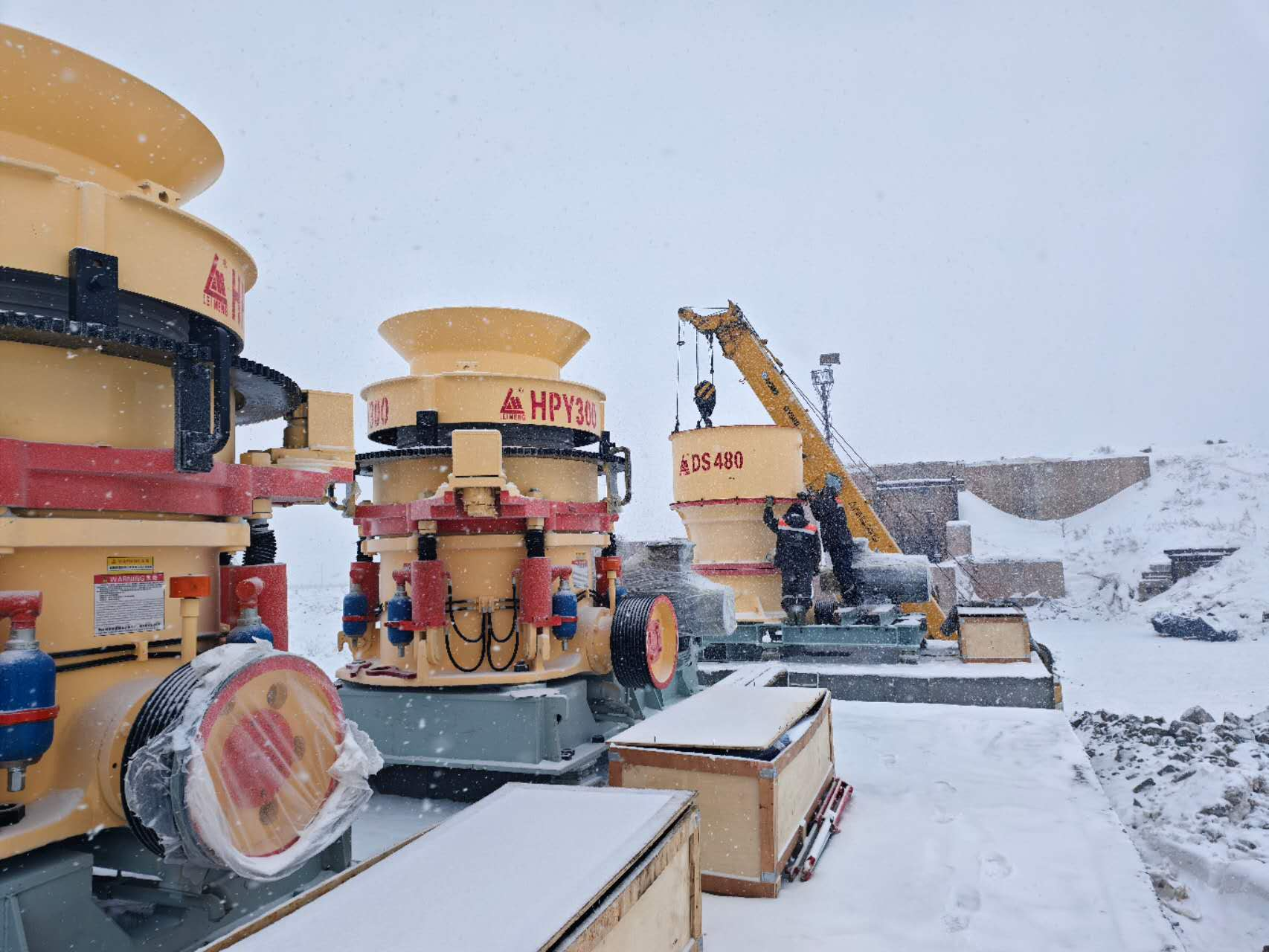
Kazakhstan’s winter conditions can be difficult for mining and aggregate equipment. At temperatures close to -40°C, the challenge is not only whether the equipment can start. The bigger question is whether the full crushing and screening line can keep running for long hours after start-up.
For this project, the material is granite and hard rock. This requires strong primary crushing, stable secondary crushing and reliable screening. The GC jaw crusher handles the first-stage size reduction, while DS and HPY cone crushers support secondary and fine crushing. The YKJ vibrating screen classifies the material into required product sizes.
In extreme cold, hydraulic systems, lubrication and electrical protection become especially important. A line that cannot circulate oil properly, maintain stable settings or protect its control system may lose production time even if the crusher itself is strong enough.
The Kazakhstan project shows why cold-weather mining crusher applications require system-based design. Equipment configuration, lubrication planning, installation details and daily maintenance all affect long-term output stability.
Saudi Arabia: 800 TPH Aggregate Production in Desert Heat
Project Overview
Location: Saudi Arabia
Material: Limestone / soft rock
Capacity: 800 TPH
Climate condition: Desert high temperature and dust
Main equipment: GC jaw crusher, PFG impact crusher, YKJ vibrating screen, feeders and steel structures
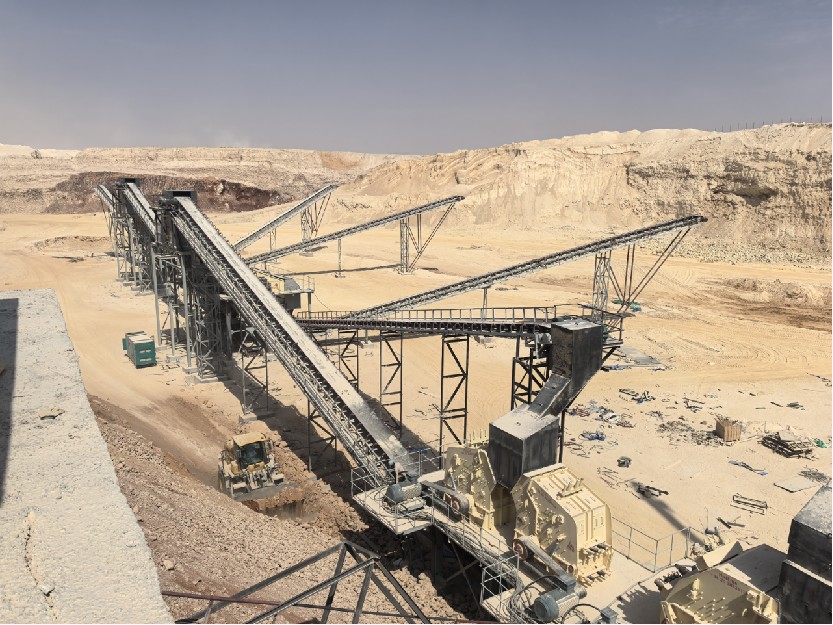
Desert aggregate production has a different set of challenges. In Saudi Arabia, the raw material in this project is limestone, which is generally suitable for impact crushing when the abrasiveness is low to moderate. The target capacity reaches 800 TPH, so the equipment configuration must support high throughput and stable material flow.
High temperature, heavy dust and long operating hours place pressure on several parts of the production line:
- Heat dissipation for motors and hydraulic systems
- Dust protection for bearings, electrical parts and control cabinets
- Stable feeding under dry and dusty material conditions
- Structural strength for continuous heavy-duty operation
- Screen efficiency under large material volume
For this Saudi Arabia project, the GC jaw crusher and PFG impact crusher form the main crushing process, while the YKJ vibrating screen handles aggregate classification. Feeders and steel structures are also important because high-capacity production depends on smooth material transfer, not only crushing power.
This is a useful lesson for desert aggregate crushing plants: capacity is not only created by a large crusher. It comes from a balanced system where feeding, crushing, screening and conveying are matched as one production circuit.
Vietnam: 450 TPH Granite Crushing During Tropical Rainy Seasons
Project Overview
Location: Vietnam
Material: Granite / hard rock
Capacity: 450 TPH
Climate condition: Tropical humidity and rainy seasons
Main equipment: PE jaw crusher, LMC cone crusher, YKJ vibrating screen, multiple feeder models
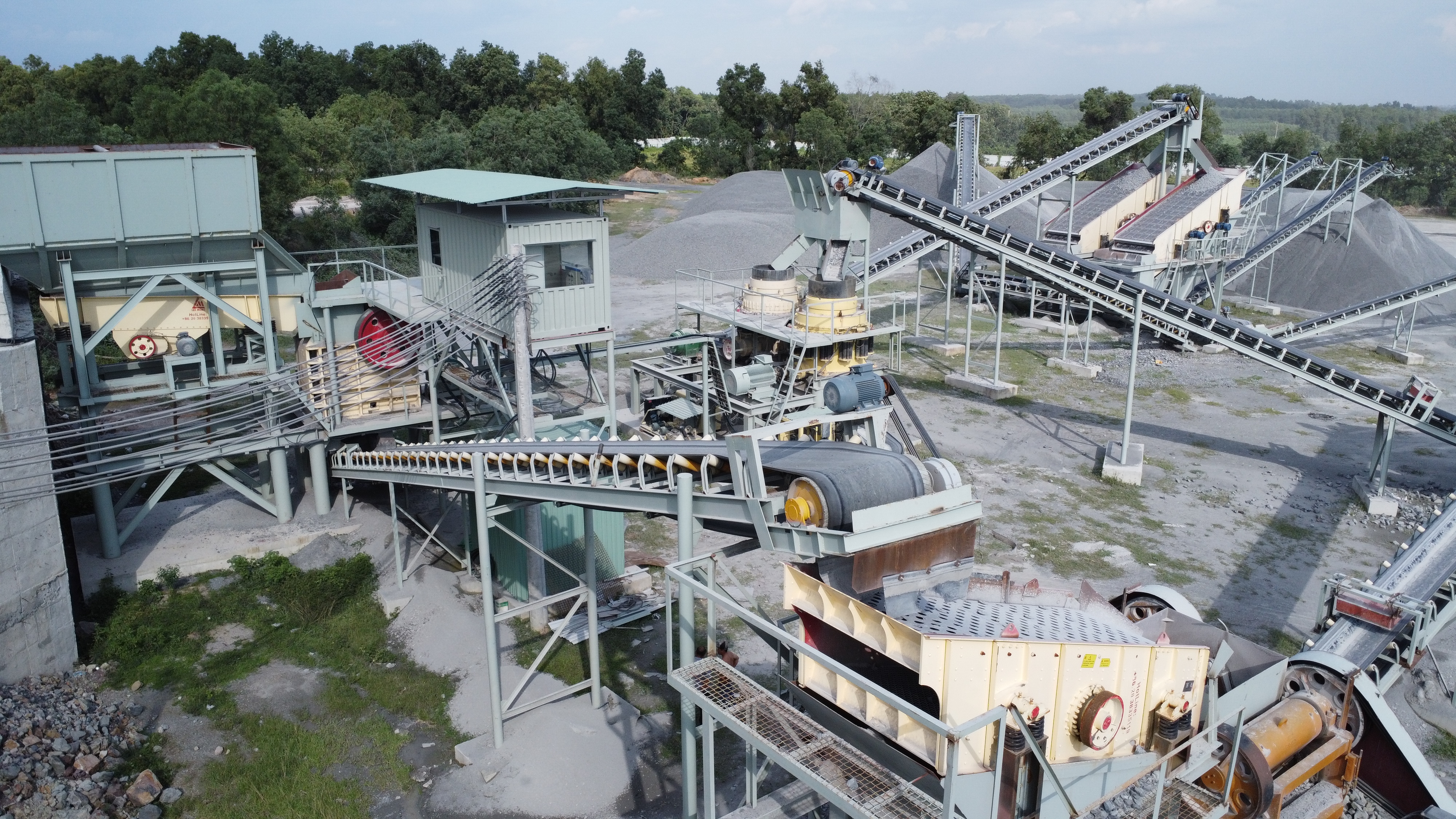
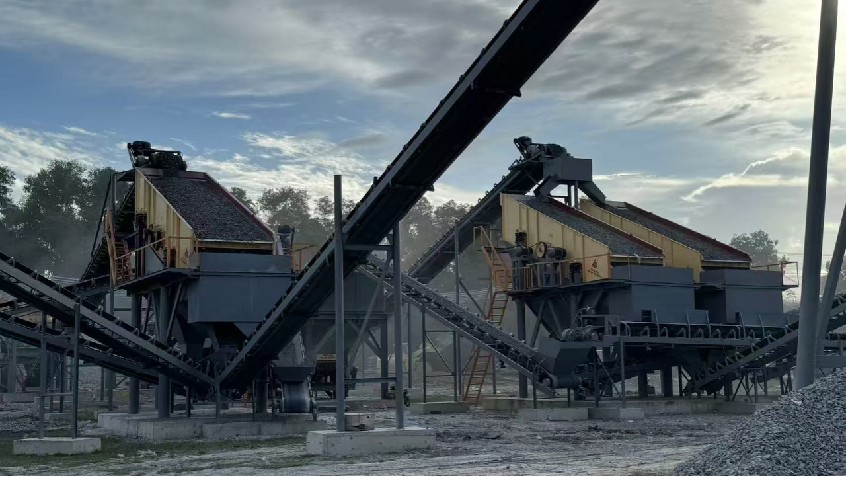
In Southeast Asia, rainy seasons bring high humidity, wet material, muddy roads and more difficult site operation. For granite production lines, the challenge is even stronger because the material is hard and abrasive.
The Vietnam project uses a PE jaw crusher for primary crushing and an LMC cone crusher for secondary crushing. The YKJ vibrating screen separates the crushed granite into required aggregate sizes. Multiple feeder models help control material flow across the line.
In humid and rainy conditions, the main concern is not only crushing force. The line also needs:
- Better moisture protection
- Stable feeding and conveying
- Corrosion-resistant structural design
- Reliable screening under wet material conditions
- Practical maintenance access during rainy periods
For this kind of tropical climate crushing solution, the screen is especially important. If wet material reduces screening efficiency, the circulating load may increase and the crusher may face unstable feed. This is why crusher and screen matching should be considered together from the beginning.
Project Notes from Leimeng Team
These project examples are based on Leimeng Group’s overseas crushing and screening applications. Actual equipment configuration should be adjusted according to raw material, feed size, capacity, final product size, climate condition and site layout.
What These Projects Teach About Crusher Selection
Different climates require different engineering priorities. The same crusher model may perform differently depending on material hardness, moisture, temperature, dust and site layout.
Start with the Material
Hard rock such as granite usually requires compression crushing. A jaw crusher is commonly used for primary crushing, while cone crushers are often used for secondary and fine crushing. For softer and lower-abrasive materials such as limestone, impact crushers may be a practical choice when better particle shape and high reduction ratio are required.
Match Crushers and Screens as One System
A crushing line is not only a list of machines. The output from the crusher must match the capacity and opening size of the vibrating screen. If the screen cannot handle the crusher discharge, circulating load increases, production becomes unstable and wear may rise.
Consider Climate Before Installation
Cold regions need attention to lubrication, hydraulic circulation and start-up procedures. Desert regions need better heat dissipation, dust protection and structural stability. Tropical regions need moisture protection, anti-corrosion measures and screening stability during rainy seasons.
Plan for Maintenance and Spare Parts
For overseas mining and aggregate projects, easy maintenance and spare parts planning are part of reliability. A line that is difficult to inspect or maintain may lose production time even when the main equipment has enough capacity.
Key Factors for Extreme Climate Crushing Equipment
Before choosing equipment for harsh environments, project owners should review these factors:
1. Raw Material
Granite, basalt, limestone, river stone and ore all require different crushing methods. Hard and abrasive rock usually needs jaw and cone crushing, while lower-abrasive limestone may be suitable for impact crushing.
2. Required Capacity
A 300 TPH line and an 800 TPH line need very different feeding, crushing, screening and conveying designs. Oversizing one machine while ignoring the rest of the line can create bottlenecks.
3. Climate and Site Conditions
Temperature, dust, humidity, rainfall, altitude and site access all affect equipment selection and maintenance planning.
4. Final Product Size
Road base, concrete aggregate and manufactured sand may require different product sizes. This affects crusher settings, screen decks and closed-circuit design.
5. Long-Term Operating Stability
Reliability is not only about whether the machine can run today. It is about whether the complete line can keep producing after months and years of site operation.
Leimeng Crushing and Screening Solutions for Global Projects
Leimeng Group provides jaw crushers, cone crushers, impact crushers, vibrating screens, feeders, mobile crushing equipment and complete crushing and screening lines for mining, quarry and aggregate production projects.
Based on the client’s raw material, feed size, target capacity, final product requirement and site climate, Leimeng can help recommend a practical equipment configuration. From cold regions to desert heat and tropical rainy seasons, the goal is the same: stable output, easier maintenance and long-term operating value.
For overseas clients, crushing equipment should not only be powerful. It should be suitable for the real site.
FAQ
What is extreme climate crushing equipment?
Extreme climate crushing equipment refers to crushers, screens and supporting systems configured for harsh environments such as freezing winters, desert heat, heavy dust, high humidity or tropical rainfall.
What equipment is used in a complete crushing and screening line?
A typical line may include a jaw crusher, cone crusher, impact crusher, vibrating screen, feeder, belt conveyor, steel structure and control system. The exact configuration depends on the material and required capacity.
Which crusher is suitable for granite in cold or rainy climates?
Granite is hard and abrasive, so a jaw crusher is commonly used for primary crushing, while cone crushers are usually selected for secondary and fine crushing. Screening capacity and moisture control should also be considered.
Is an impact crusher suitable for limestone aggregate production?
Yes, impact crushers are often suitable for limestone and other soft to medium-hard, low-abrasive materials. They can help produce better particle shape and a high reduction ratio in suitable applications.
What should be considered for desert aggregate crushing plants?
Desert projects should consider heat dissipation, dust protection, stable feeding, electrical protection, bearing sealing, structural strength and easy maintenance.
Why is vibrating screen matching important?
The vibrating screen controls product size and circulating load. If the screen is not matched with crusher output, the whole line may face unstable capacity, higher wear and reduced efficiency.