
Crushing and Screening Equipment in Kenya | Leimeng
Crushing and Screening Equipment for Kenya Aggregate Projects
Kenya’s demand for reliable aggregate production equipment is rising as construction, road development and quarry operations continue to support the country’s infrastructure growth. For aggregate producers, the key question is no longer only how to crush stone. It is how to build a complete crushing and screening line that can keep output stable, control final product size, reduce unnecessary wear and support long-term operation.
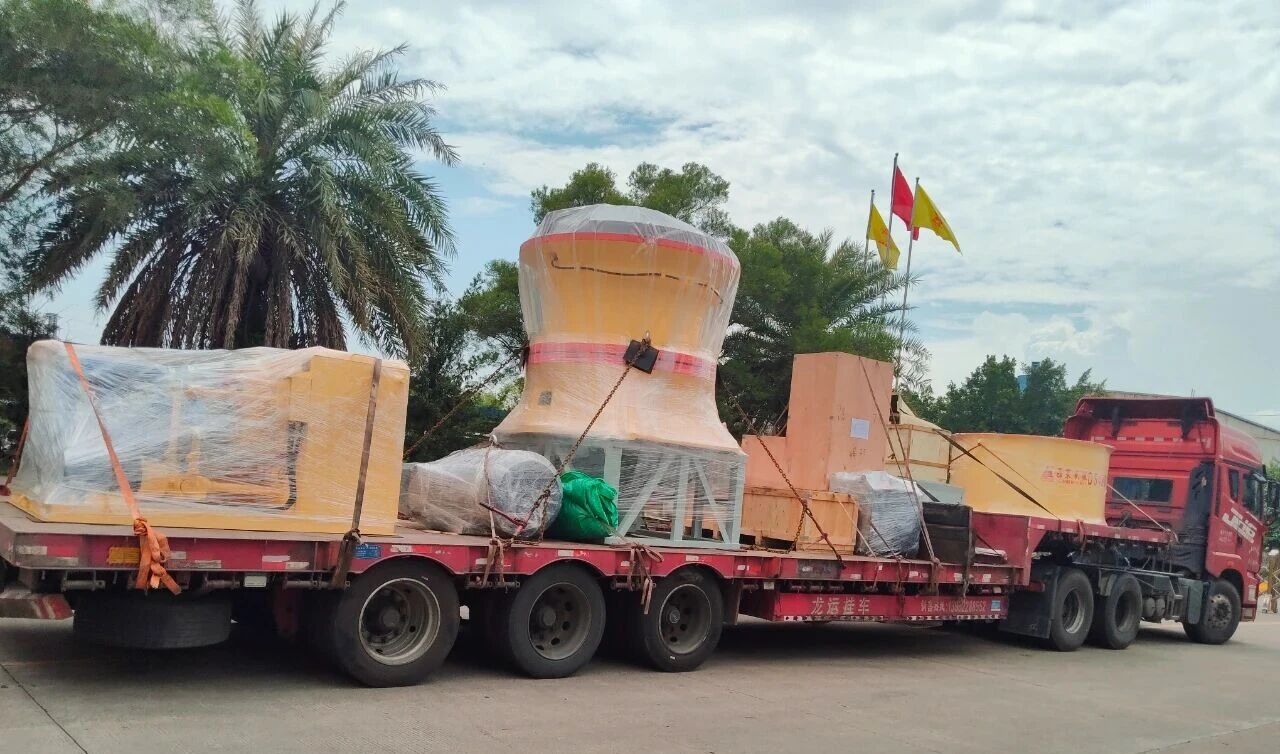
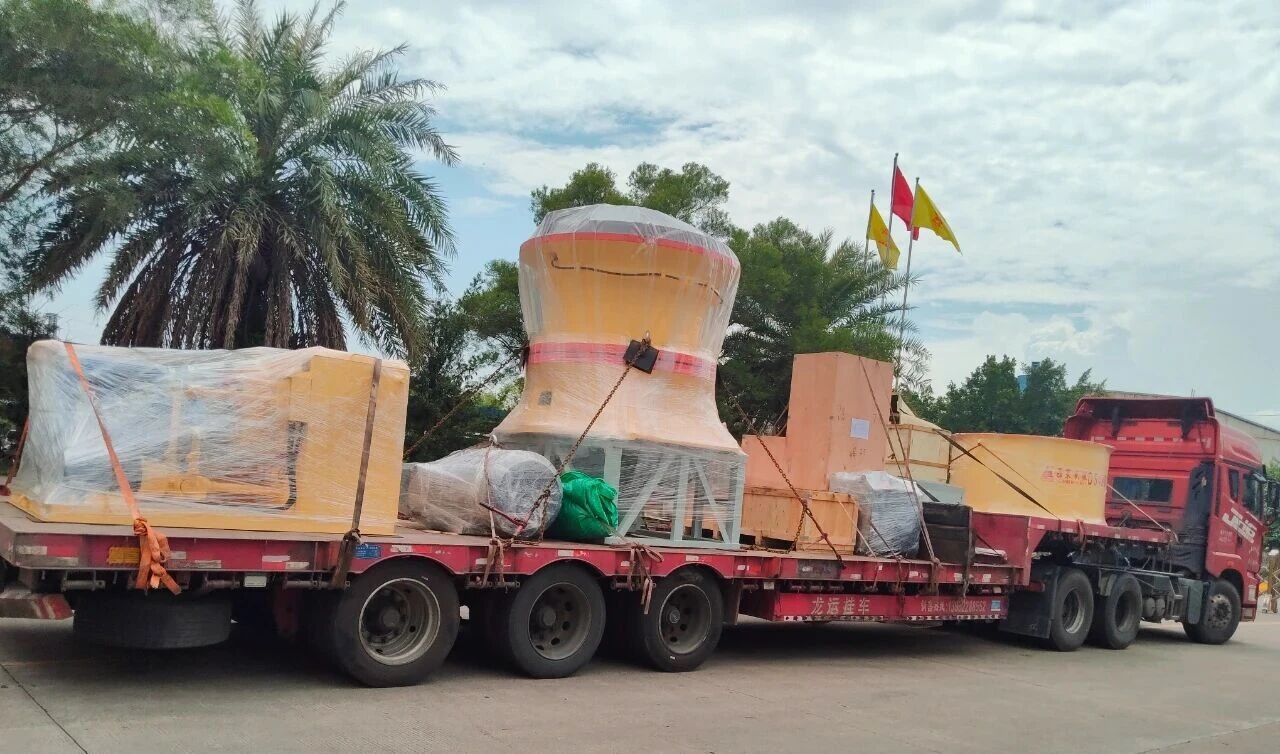
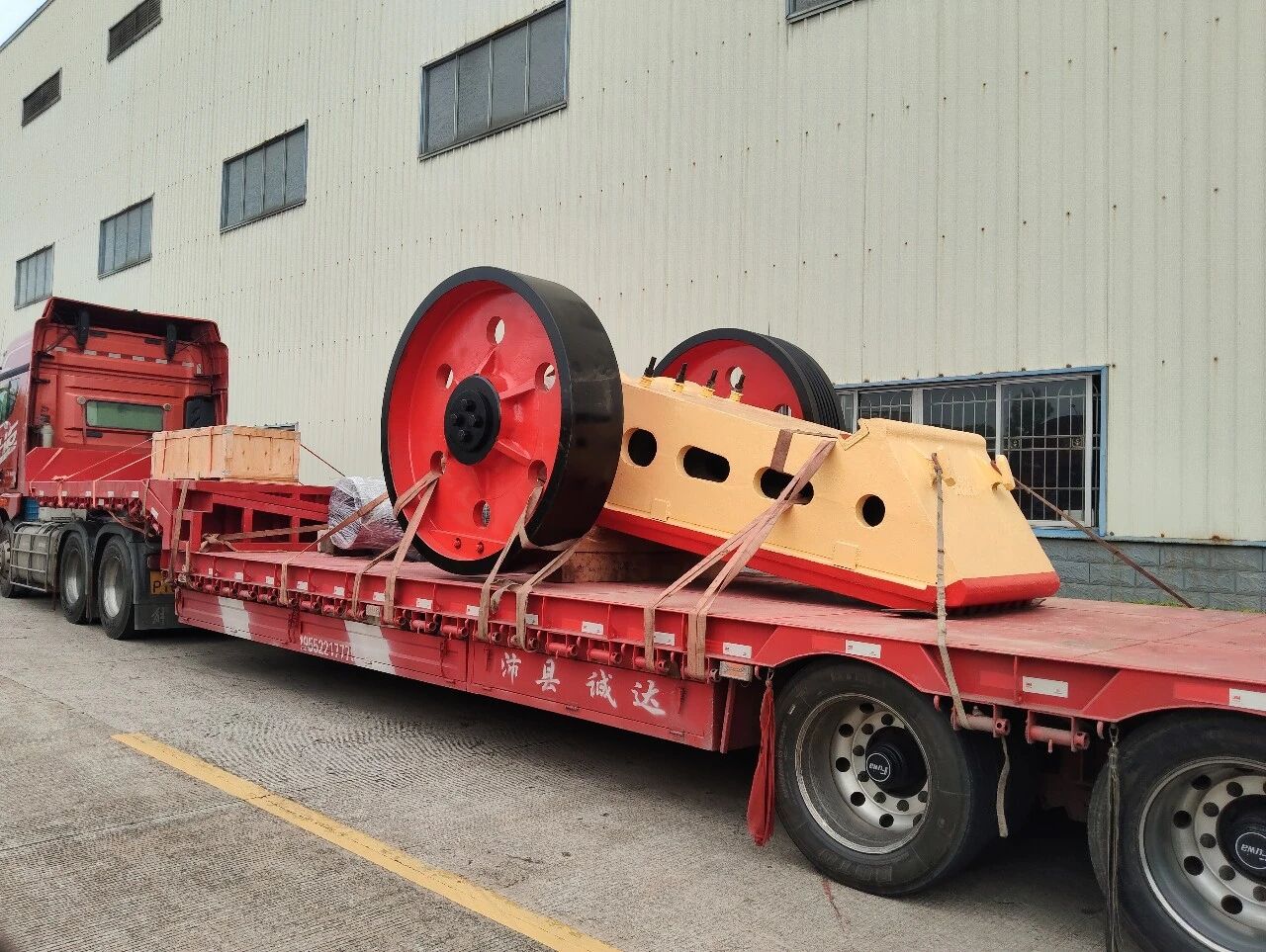
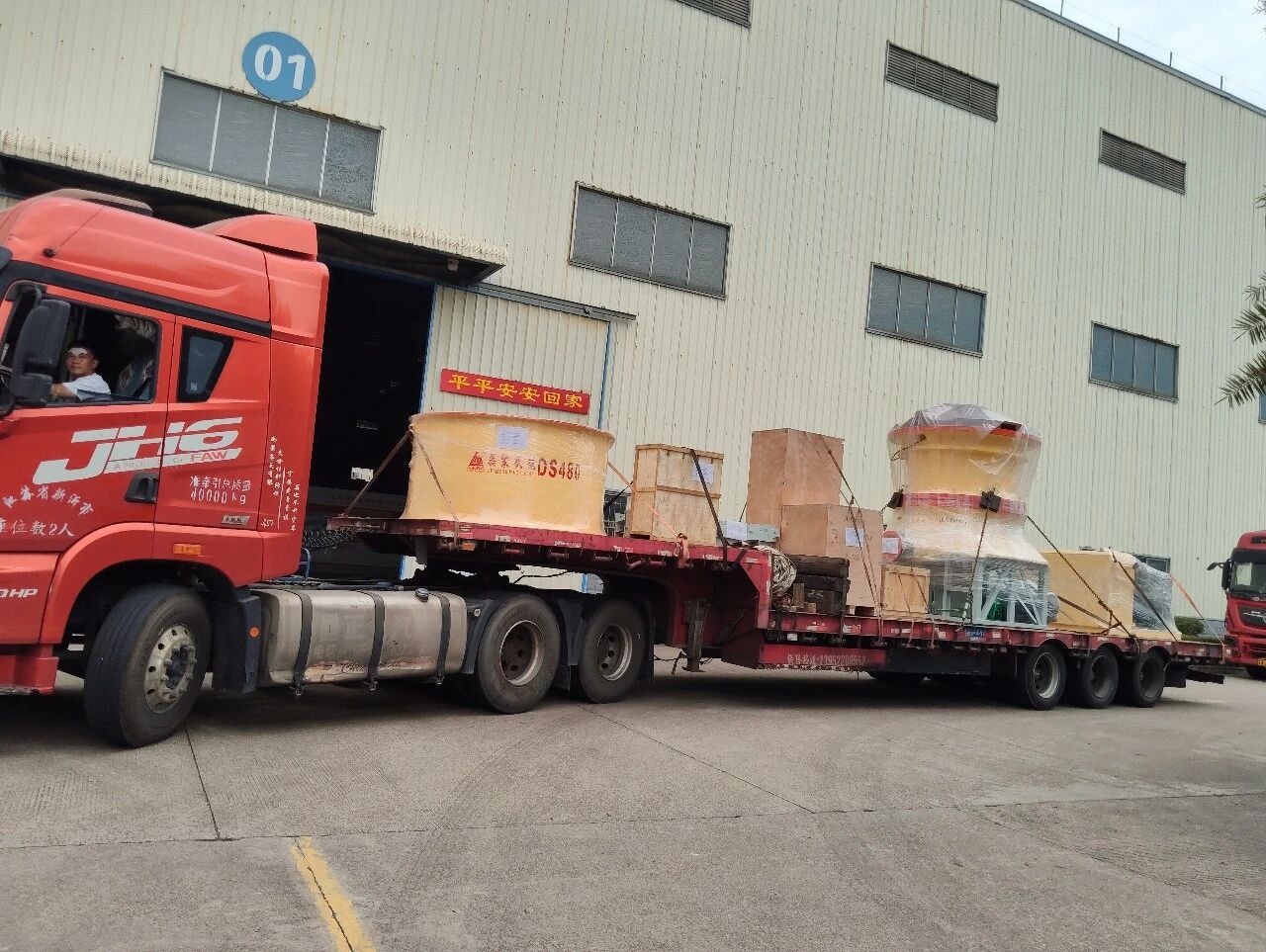
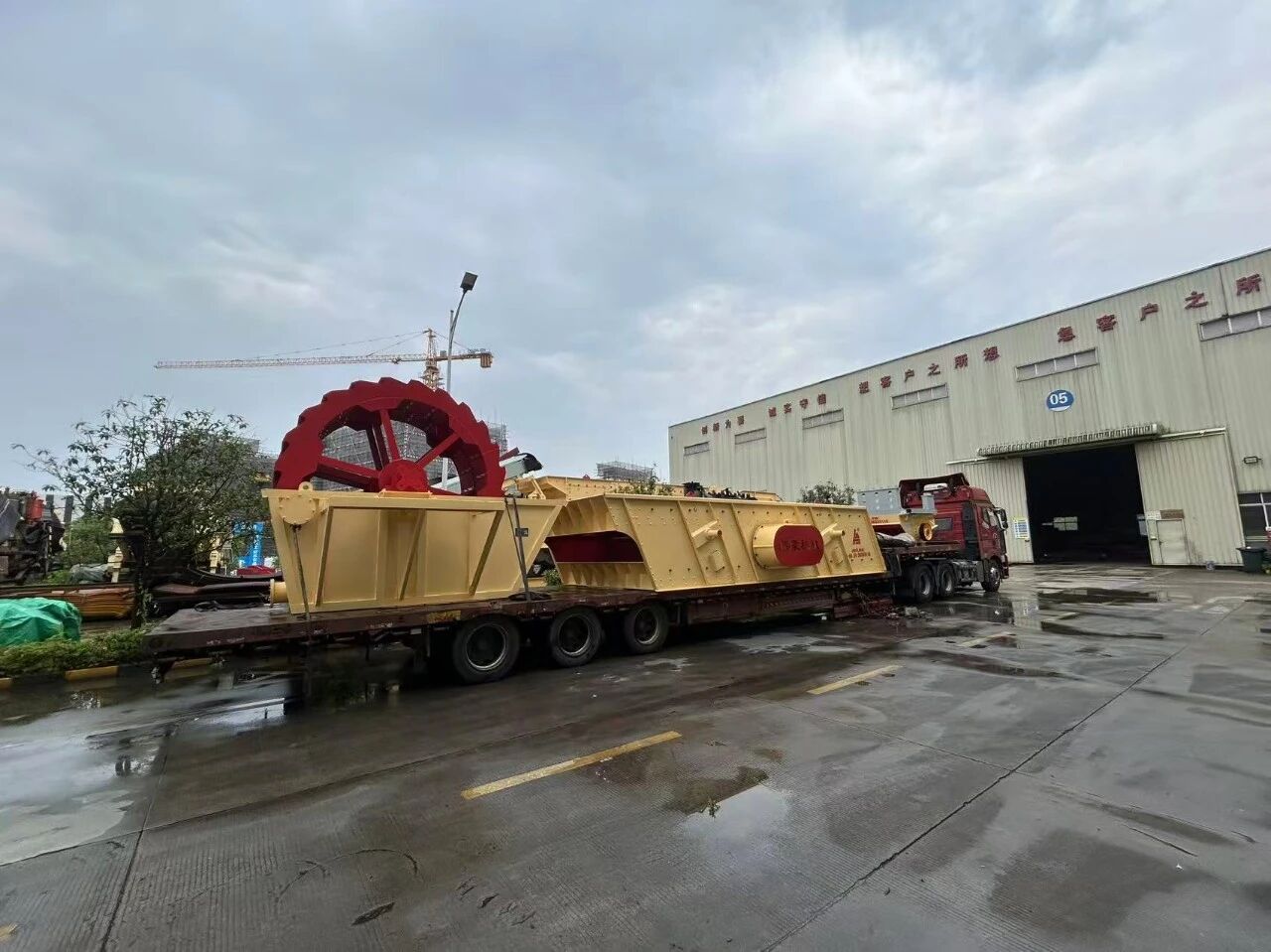
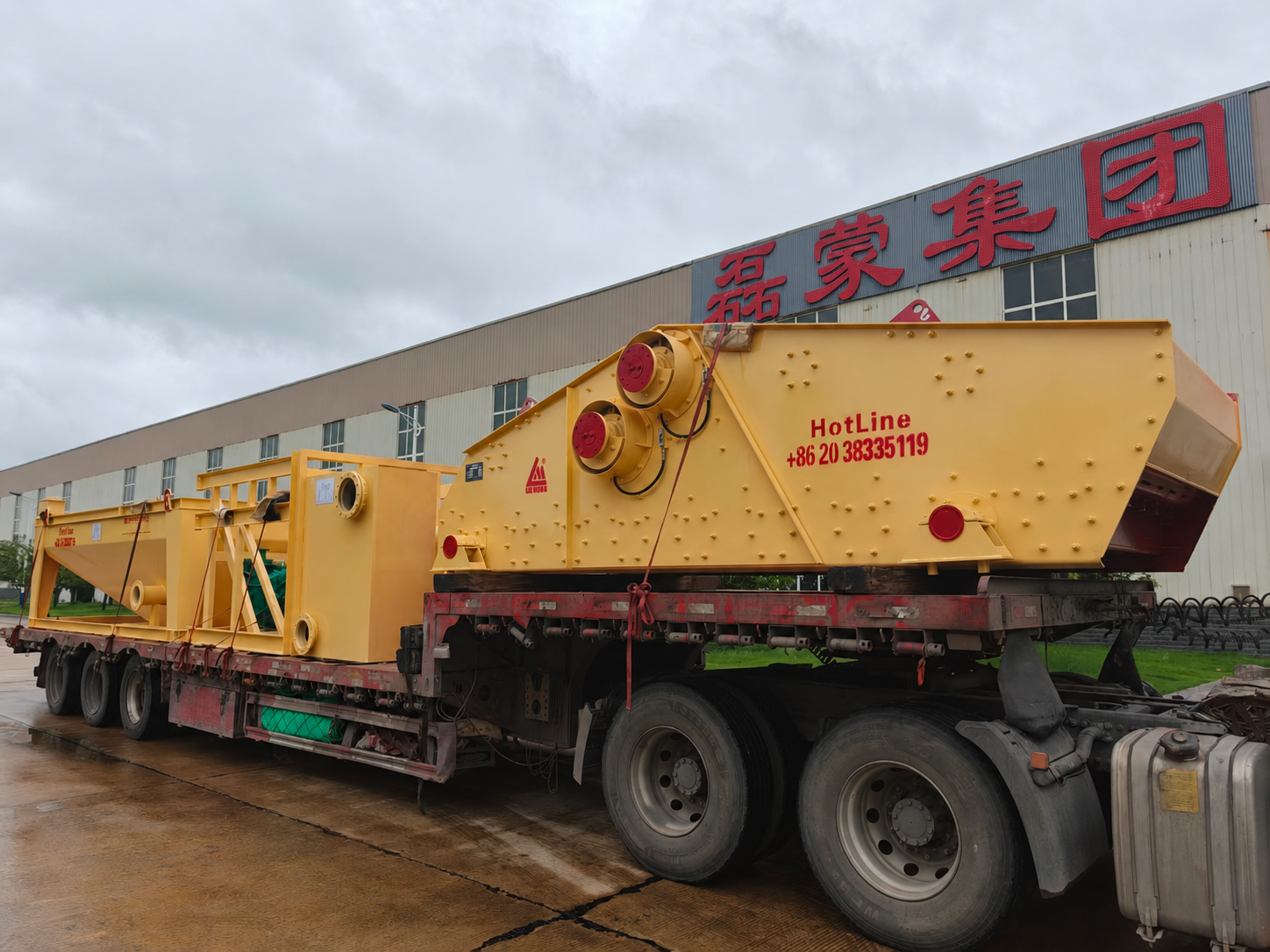
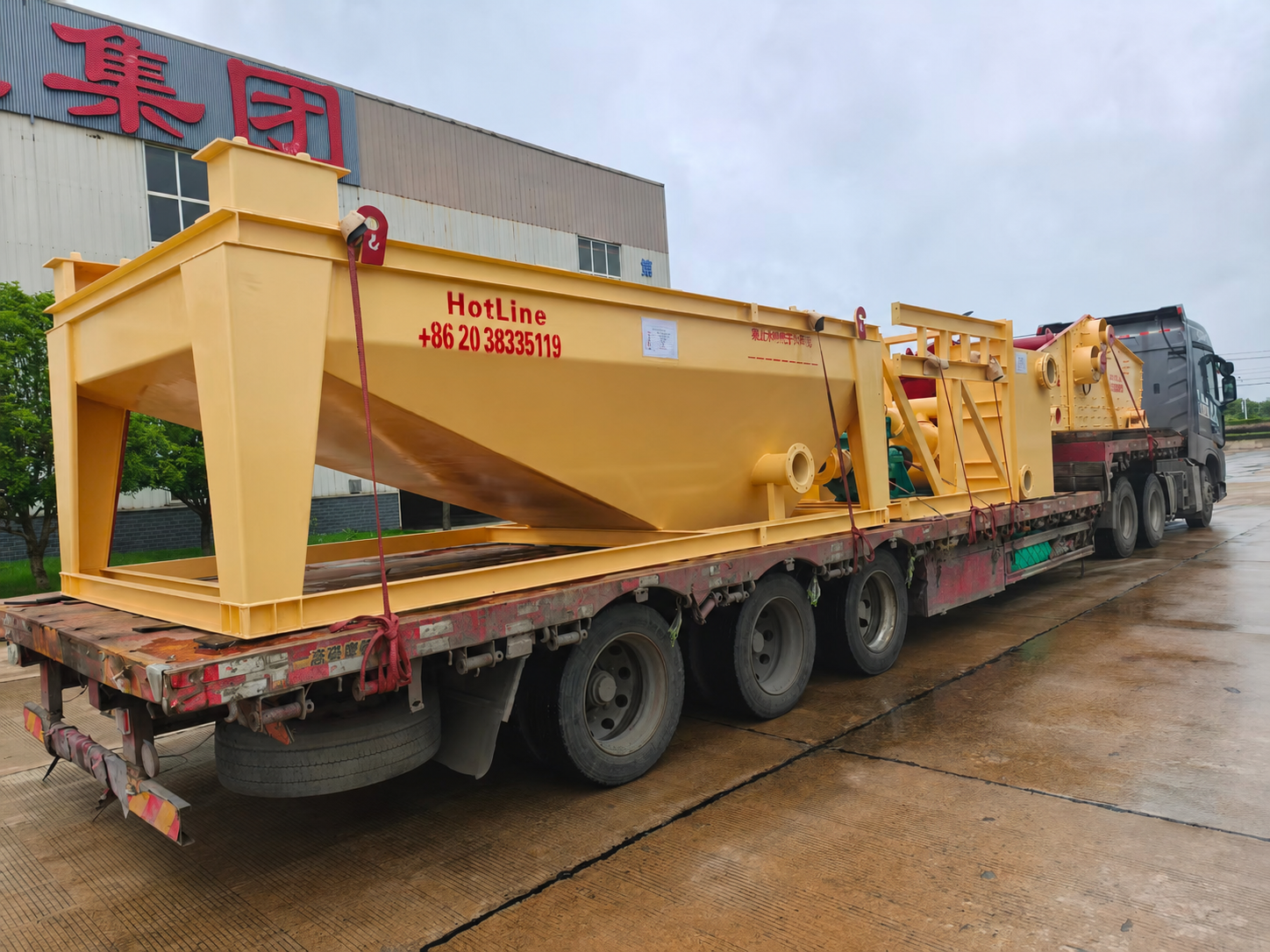
Leimeng Group has recently completed the inspection, loading and batch shipment of multiple sets of crushing and screening equipment for a Kenya project. The delivered equipment includes PE Series jaw crushers, DS Series single-cylinder hydraulic cone crushers, DH Series single-cylinder hydraulic cone crushers, YKJ Series vibrating screens, XSD Series wheel sand washers, ZKX Series fine sand recycling machines and ZW Series vibrating feeders.
This shipment is not a single-machine delivery. It is a complete equipment configuration designed to support material feeding, primary crushing, secondary crushing, aggregate classification, sand washing and fine sand recycling in one production flow.
Why Kenya Needs Stable Aggregate Production Equipment
Kenya’s construction and quarry sectors are closely connected with road building, housing, concrete production and mining-related material supply. According to the Kenya National Bureau of Statistics, Kenya’s construction activities rebounded from a 0.7% contraction in 2024 to 6.8% growth in 2025, while the mining and quarrying sector recovered from a 7.8% contraction to 14.9% growth in 2025, partly driven by minerals used in cement production.
Urbanization is another long-term driver. World Bank data shows that Kenya’s urban population reached about 32.2% of total population in 2025, up from 18.2% in 1990. As more people move into cities, demand for roads, housing, concrete aggregate and manufactured sand continues to grow.
Road development also creates steady demand for crushed stone. Kenya Vision 2030’s road expansion programme includes targets for constructing and rehabilitating about 5,500 km of roads, plus large-scale road maintenance and transport corridor upgrades. For quarry operators and contractors, this means aggregate production lines need more than basic capacity. They need stable feeding, reliable crushing, accurate screening and better control of finished aggregate quality.
What Equipment Was Delivered for the Kenya Project?
The Kenya project equipment configuration covers the main stages of an aggregate production line:
- ZW Series vibrating feeder for stable and even feeding.
- PE Series jaw crusher for primary crushing.
- DS and DH Series single-cylinder hydraulic cone crushers for secondary and fine crushing.
- YKJ Series vibrating screen for aggregate classification.
- XSD Series wheel sand washer for washing and cleaning fine aggregate.
- ZKX Series fine sand recycling machine for reducing fine sand loss and improving material recovery.
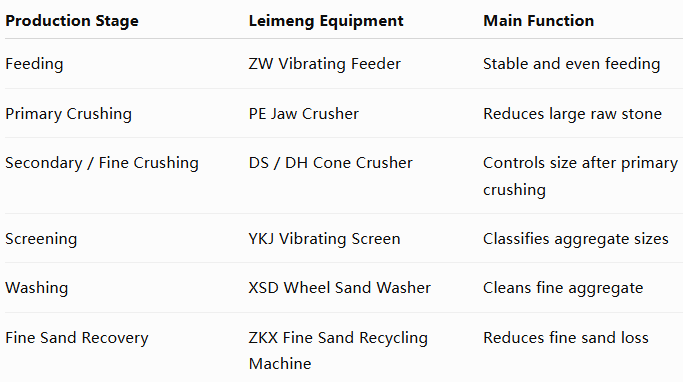
A practical crushing and screening line should not treat each machine as an isolated unit. The feeder, crusher, screen, washer and fine sand recycling system should work together as a production circuit. If one section is mismatched, the whole line may face unstable output, excessive circulating load, higher wear cost or poor final aggregate quality.
Start with the Material, Not Only the Machine
One important lesson from professional quarry equipment selection is simple: start with the raw material before choosing the crusher model.
Different rocks behave differently during crushing. Granite, basalt and river pebble usually require compression crushing because they are hard and abrasive. Limestone and some dolomite materials may allow more flexible crushing choices, depending on abrasiveness, feed size, final product shape and operating cost.
For a Kenya aggregate project, the following factors should be reviewed before final equipment selection:
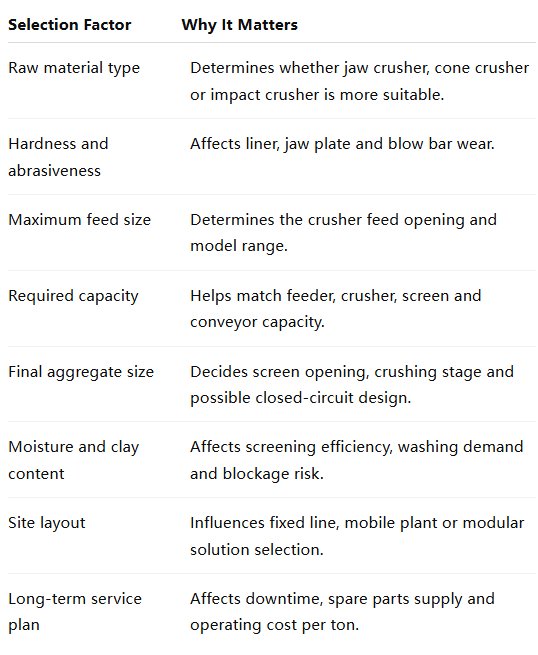
This is why a complete production line cannot be selected only by comparing machine prices. The real value comes from whether the equipment can match the material, capacity target and final product requirements.
PE Jaw Crusher: Primary Crushing for Large Feed Material
The primary crushing stage is the first step in the production line. If this stage is unstable, the downstream cone crusher, vibrating screen and sand washing system may all be affected.
The PE Series jaw crusher is used to reduce large raw material into a smaller size suitable for secondary crushing. It works by compression: material enters the crushing chamber and is crushed between a fixed jaw plate and a moving jaw plate. When the material reaches the required discharge size, it moves downward and leaves the crusher.
For aggregate and mining projects, jaw crushers are commonly selected when the raw material is hard, the feed size is large, and stable primary crushing is required. In a complete line, the jaw crusher helps prepare suitable feed for the cone crusher and reduces pressure on downstream equipment.
DS and DH Cone Crushers: Secondary and Fine Crushing
After primary crushing, the material often needs further size reduction before screening or sand production. This is where cone crushers play an important role.
The DS and DH Series single-cylinder hydraulic cone crushers use compression crushing between the mantle and concave. Compared with impact crushing, cone crushing is generally more suitable for medium-hard to hard and abrasive materials. It can help control wear, maintain a stable discharge size and support continuous operation in quarry and mining projects.
In a Kenya aggregate production line, cone crushers can be used for:
Secondary Crushing
The cone crusher receives material from the jaw crusher and reduces it to a size suitable for screening, shaping or further fine crushing.
Fine Crushing
The cone crusher can also help control smaller product size before final classification.
Preparing Feed for Sand Making or Washing
If the line includes manufactured sand production or washing, the cone crusher can help reduce oversized material and improve downstream efficiency.
The cone crusher should not be selected alone. Its closed side setting, chamber type and production capacity should be matched with the vibrating screen. If the screen capacity is too small, qualified material may return to the crusher unnecessarily, increasing energy use and liner wear.
YKJ Vibrating Screen: Controlling Product Size and Circulating Load
A vibrating screen is not just a supporting machine. It controls final product size, classification accuracy and circulating load.
In an aggregate production line, crushed material moves across the screen media. Smaller particles pass through the screen openings, while larger particles continue forward or return to the crusher for further reduction. If the screen is not properly matched with the crusher, the line may face several problems:
- Unstable final product size.
- Excessive return material.
- Higher crusher load.
- Faster liner wear.
- Lower screening efficiency.
- More downtime for screen cleaning or screen media replacement.
For Kenya quarry and aggregate producers, the vibrating screen should be selected according to feed size, required capacity, number of final products, screen opening, moisture content and material abrasiveness.
XSD Sand Washer and ZKX Fine Sand Recycling Machine
For aggregate and manufactured sand production, washing and fine sand control are becoming increasingly important. A sand washing system helps remove clay, dust and impurities from fine aggregate. However, washing can also cause fine sand loss if the process is not properly configured.
The XSD Series wheel sand washer is used for washing and cleaning fine aggregate. The ZKX Series fine sand recycling machine helps reduce fine sand loss and improve material utilization. Together, they can support cleaner sand output and better resource use.
This matters for projects where final sand quality affects concrete, mortar, road base or other construction applications. A well-designed washing and fine sand recycling system can help improve sand gradation, reduce waste and support more stable finished material quality.
Why Crusher and Screen Matching Matters
A complete aggregate production line is a system. The jaw crusher, cone crusher, vibrating screen, sand washer and feeder all affect each other.
For example, if the jaw crusher discharge is too coarse, the cone crusher may operate under higher load. If the cone crusher setting is too tight, capacity may drop and liner wear may increase. If the vibrating screen is undersized, qualified aggregate may return to the crusher, creating unnecessary circulating load. If the washing system cannot handle fine material properly, usable sand may be lost.
A balanced line should consider:
- Primary crushing feed size.
- Secondary crusher capacity.
- Cone crusher CSS setting.
- Screen deck area and screen opening.
- Number of final aggregate sizes.
- Return material ratio.
- Washing and fine sand recycling demand.
- Maintenance access and spare parts plan.
This is the difference between selling machines and designing a practical production line.
Maintenance and Long-Term Cost per Ton
For quarry and mining clients, the purchase price is only one part of the total cost. Long-term operation depends on uptime, wear parts life, maintenance convenience and service response.
When evaluating crushing and screening equipment, clients should also consider:
- Jaw plate replacement convenience.
- Cone liner wear and chamber profile.
- Hydraulic adjustment and cavity clearing.
- Screen media life and replacement schedule.
- Sand washer maintenance access.
- Fine sand recycling system stability.
- Spare parts availability.
- Commissioning and after-sales support.
A line that is difficult to maintain may lose production time even if the main crusher has enough capacity. For overseas projects, practical maintenance design and service support are especially important.
Leimeng Group Supports Complete Aggregate Solutions in Africa
Leimeng Group provides crushing, screening, sand making, washing and complete aggregate production line solutions for overseas clients. For the Kenya project, the batch delivery of PE jaw crushers, DS and DH cone crushers, YKJ vibrating screens, XSD sand washers, ZKX fine sand recycling machines and ZW vibrating feeders reflects Leimeng’s ability to support complete equipment configuration instead of only single-machine supply.
Based on the client’s raw material, capacity target, feed size, final product size and site conditions, Leimeng can help recommend a suitable process flow and equipment combination. For African aggregate and mining projects, this support can include equipment selection, line configuration, installation guidance, commissioning support and after-sales service.
What Information Is Needed for Equipment Selection?
To recommend a suitable crushing and screening solution, Leimeng usually needs the following project information:
- Raw material type.
- Maximum feed size.
- Required capacity per hour.
- Final aggregate sizes.
- Whether sand washing is required.
- Moisture and clay content.
- Project location and site layout.
- Fixed, mobile or modular configuration preference.
- Local maintenance and spare parts requirements.
The more complete the project information, the more practical the equipment recommendation will be.
FAQ
What equipment is included in the Kenya shipment?
The shipment includes PE Series jaw crushers, DS Series single-cylinder hydraulic cone crushers, DH Series single-cylinder hydraulic cone crushers, YKJ Series vibrating screens, XSD Series wheel sand washers, ZKX Series fine sand recycling machines and ZW Series vibrating feeders.
What is crushing and screening equipment used for?
Crushing and screening equipment is used to reduce raw stone into smaller sizes, classify aggregate into different specifications, and prepare materials for roads, concrete, housing, mining and infrastructure projects.
Why is a complete aggregate production line important?
A complete line helps match feeding, primary crushing, secondary crushing, screening, washing and fine sand recycling. This improves material flow, product size control and long-term production stability.
Is a jaw crusher suitable for primary crushing?
Yes. A jaw crusher is commonly used for primary crushing, especially when the feed material is large, hard or abrasive.
What is the role of a cone crusher in an aggregate line?
A cone crusher is usually used for secondary or fine crushing. It helps reduce material after primary crushing and supports stable aggregate size control.
Why should vibrating screens be matched with crushers?
The vibrating screen controls final product size and circulating load. Poor crusher-screen matching can increase return material, reduce output and raise wear cost.
When is sand washing equipment needed?
Sand washing equipment is needed when fine aggregate contains clay, dust or impurities, or when the project requires cleaner sand for construction use.
What does a fine sand recycling machine do?
A fine sand recycling machine helps reduce fine sand loss during washing and improves the utilization of valuable fine material.
Conclusion
The Kenya shipment shows how a complete crushing and screening equipment configuration can support aggregate and mining projects in Africa. From ZW vibrating feeding to PE primary crushing, DS and DH cone crushing, YKJ screening, XSD washing and ZKX fine sand recycling, each stage has a clear role in the production line.
For quarry operators and infrastructure material suppliers, the right equipment choice should begin with the material, capacity target, final aggregate requirement and long-term operating cost. A well-matched production line can help stabilize output, control product size, reduce unnecessary wear and support more reliable project operation.
Leimeng Group will continue to support overseas clients with practical crushing, screening, sand washing and complete aggregate production line solutions for Africa and other global markets.
Planning an aggregate or mining project in Africa? Share your raw material, feed size, required capacity and final product sizes with Leimeng Group. Our team can help recommend a suitable crushing, screening and washing configuration.