
Kyrgyzstan Pebble Crushing Line | Leimeng
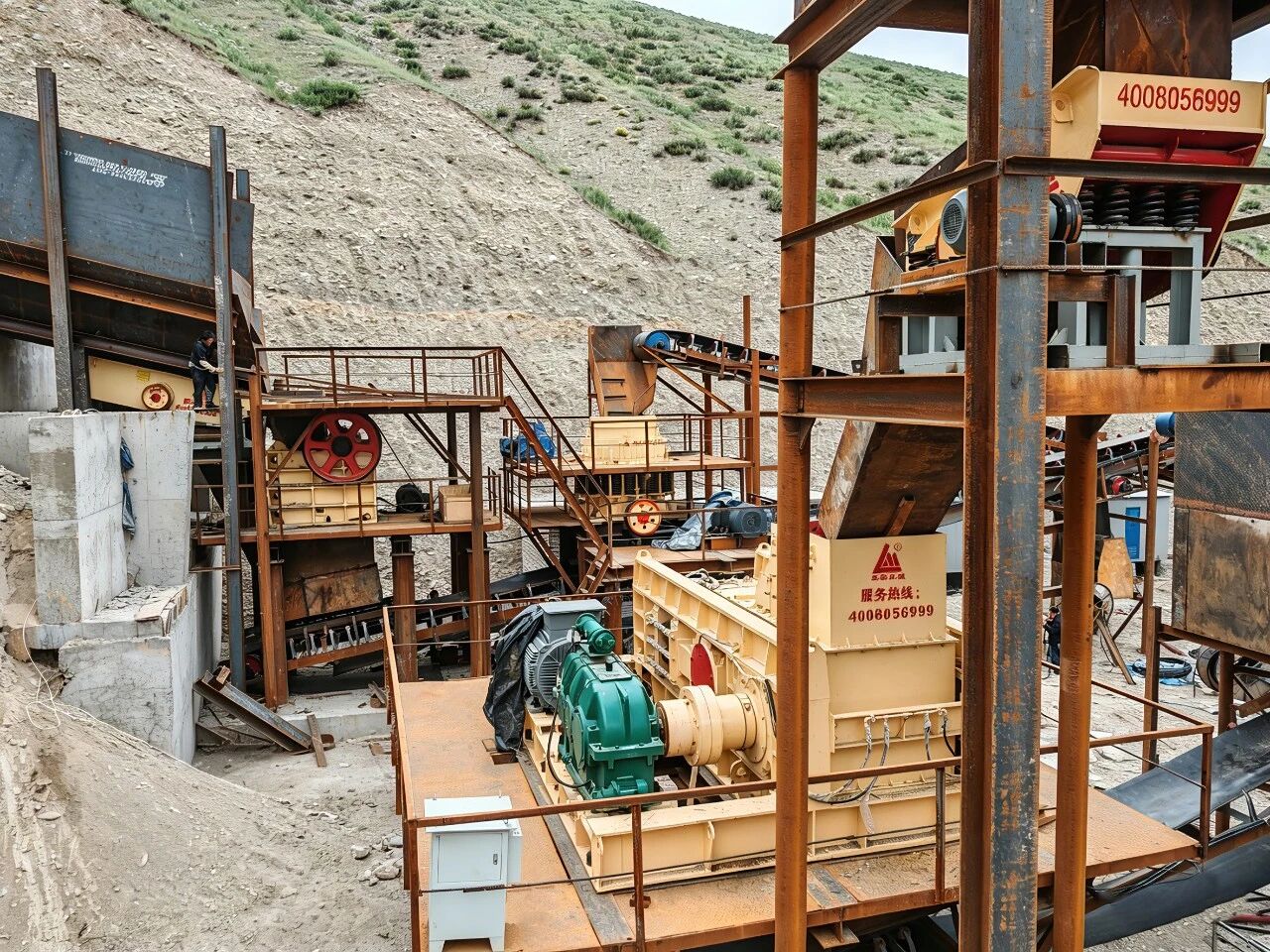
Building a Pebble Crushing Line for Kyrgyzstan’s Infrastructure Needs
Kyrgyzstan’s growing infrastructure market is creating steady demand for high-quality aggregates. For road construction, concrete production and local building projects, a stable pebble crushing line can turn local river pebbles into usable stone and sand products with controlled size, cleaner output and better production continuity.
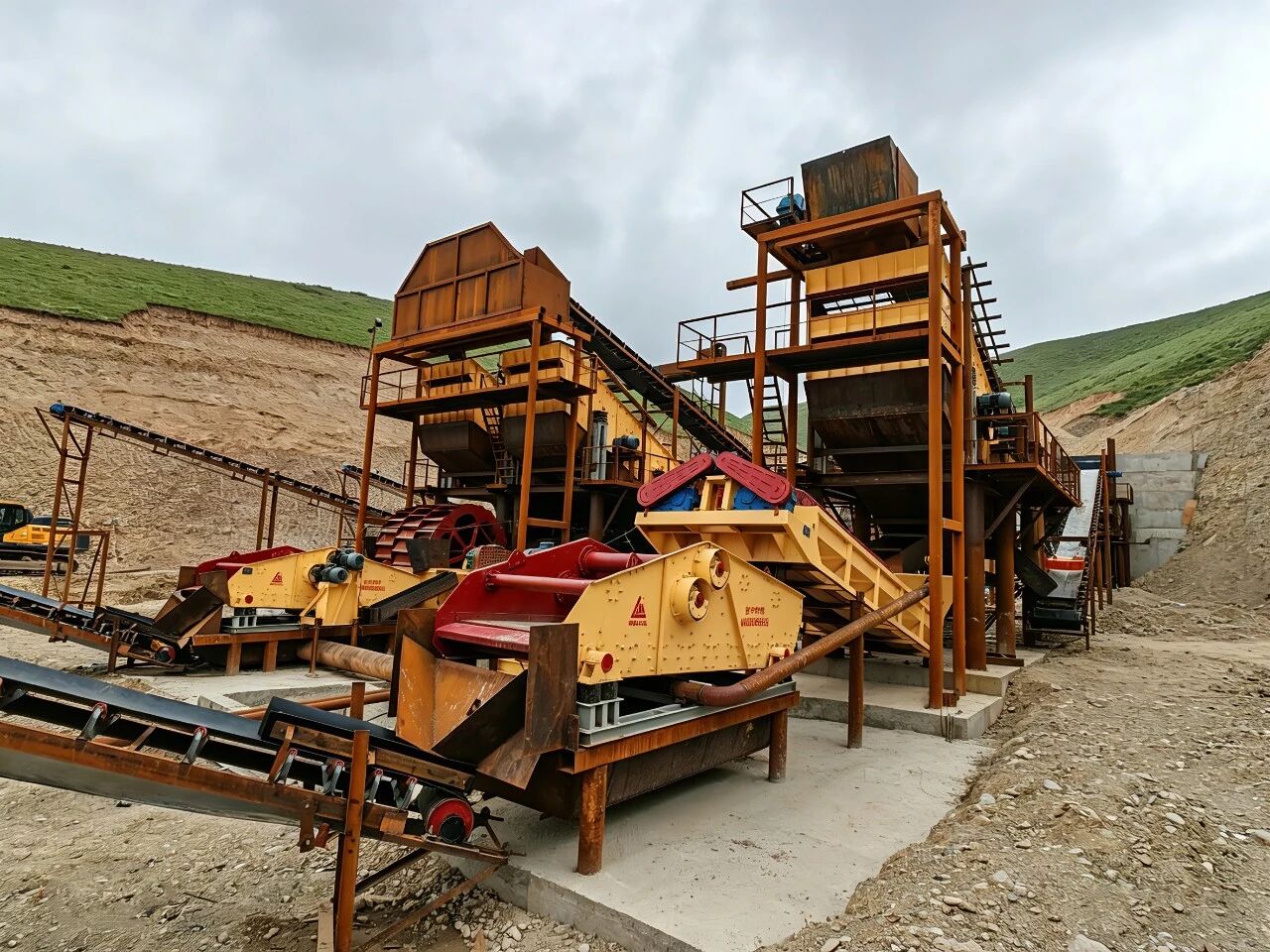
For this project in Kyrgyzstan, Leimeng Group supplied a complete set of equipment covering feeding, primary crushing, secondary crushing, sand making, screening, washing, dewatering, fine sand recovery and wastewater treatment. Instead of treating each machine as a separate unit, the line was designed as a complete crushing, screening and washing system.
This is important because pebble crushing is not only about reducing stone size. River pebbles are usually hard and abrasive, so the production line must balance crushing efficiency, wear control, sand quality, water management and long-term operating cost.
Why Pebble Crushing Matters in Kyrgyzstan
Kyrgyzstan is a mountainous Central Asian country. Official country information notes that 94% of its territory is occupied by mountains and about 90% lies above 1,500 meters above sea level. This geography makes transport routes, road upgrades and regional infrastructure especially important.
At the same time, public data shows that the Kyrgyz Republic’s economy has remained active. The World Bank reported 9.0% GDP growth in 2024, while its country update noted strong construction growth in 2025. ADB also projected the Kyrgyz Republic’s growth to remain strong in 2026 and 2027, supported by domestic demand and investment under the National Development Program 2030.
For aggregate producers, this means the market needs reliable equipment that can process local raw materials into stable construction aggregates. A well-designed pebble crushing line can support road base material, concrete aggregate, manufactured sand and other infrastructure-related applications.
Project Overview: A Complete Pebble Crushing and Sand Making Line
The raw material of this project is pebble. Considering local working conditions in Kyrgyzstan and the client’s production needs, Leimeng configured a full-process production line instead of a single crushing machine.
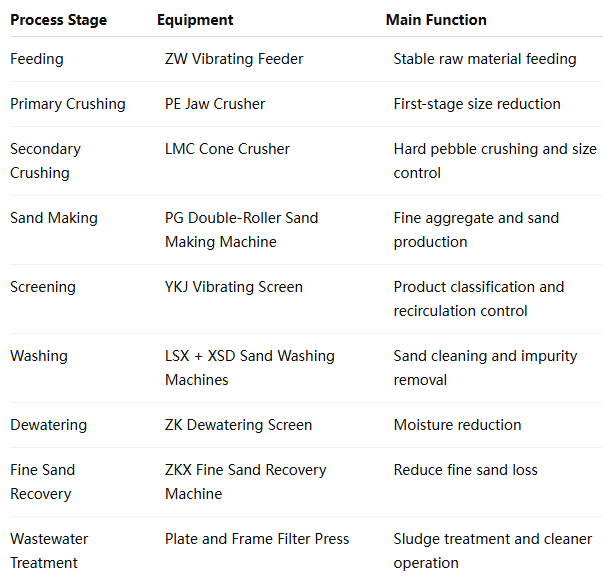
The equipment configuration includes:
PG Double-Roller Sand Making Machine
ZKX Fine Sand Recovery Machine
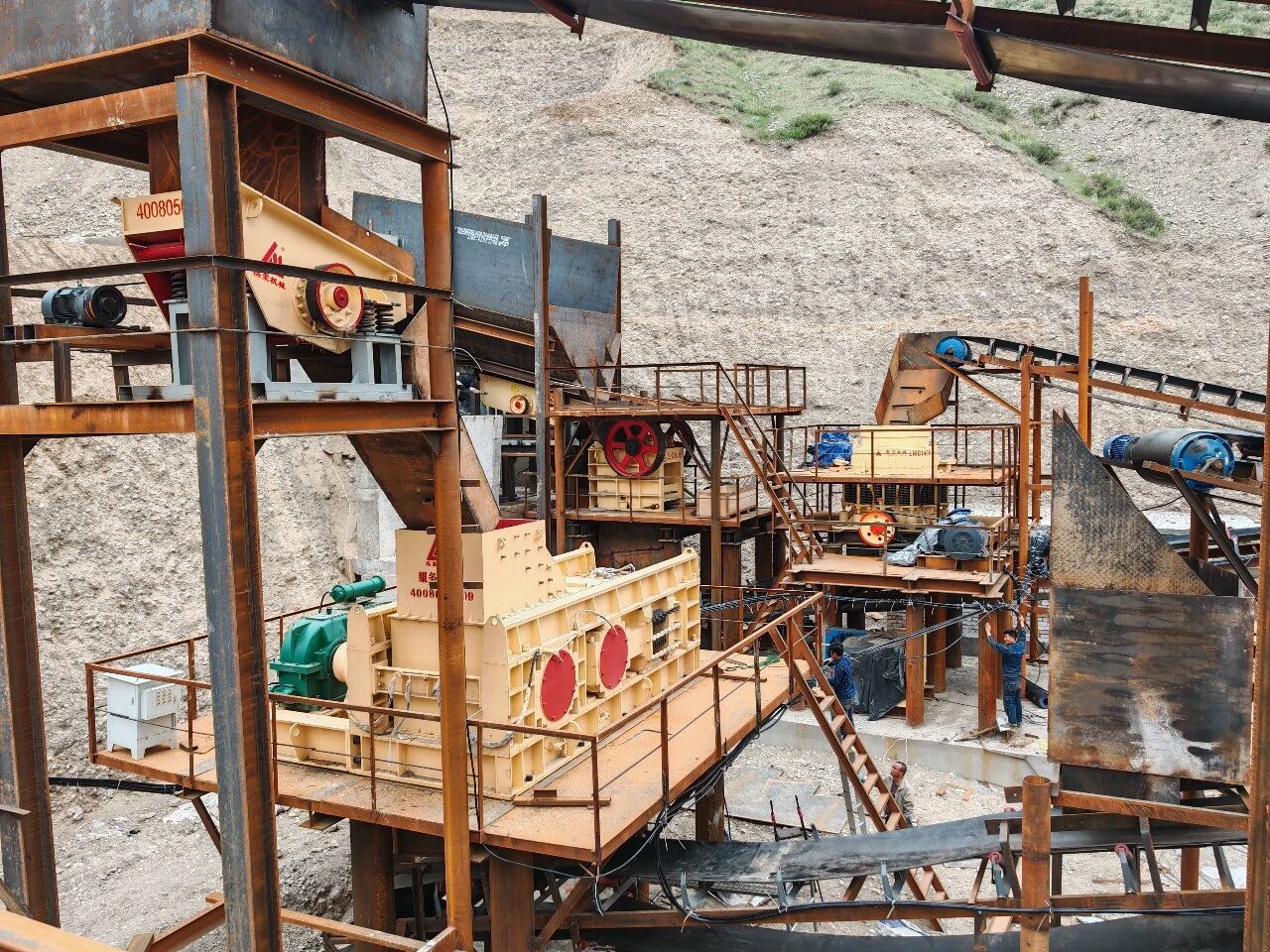
From feeding to crushing, from sand making to washing, and from dewatering to fine sand recovery, the whole line forms a closed-loop process. This helps improve product quality, reduce fine sand loss and support cleaner production on site.
How the Pebble Crushing Process Works
A pebble crushing line should be designed around the material first, not the machine first. This is especially important for river pebbles because hardness, abrasiveness, feed size and final product requirements all affect equipment selection.
Step 1: Stable Feeding
The ZW vibrating feeder sends raw pebbles into the primary crusher at a controlled rate. Stable feeding helps prevent sudden load changes, protects the jaw crusher and keeps the downstream process more consistent.
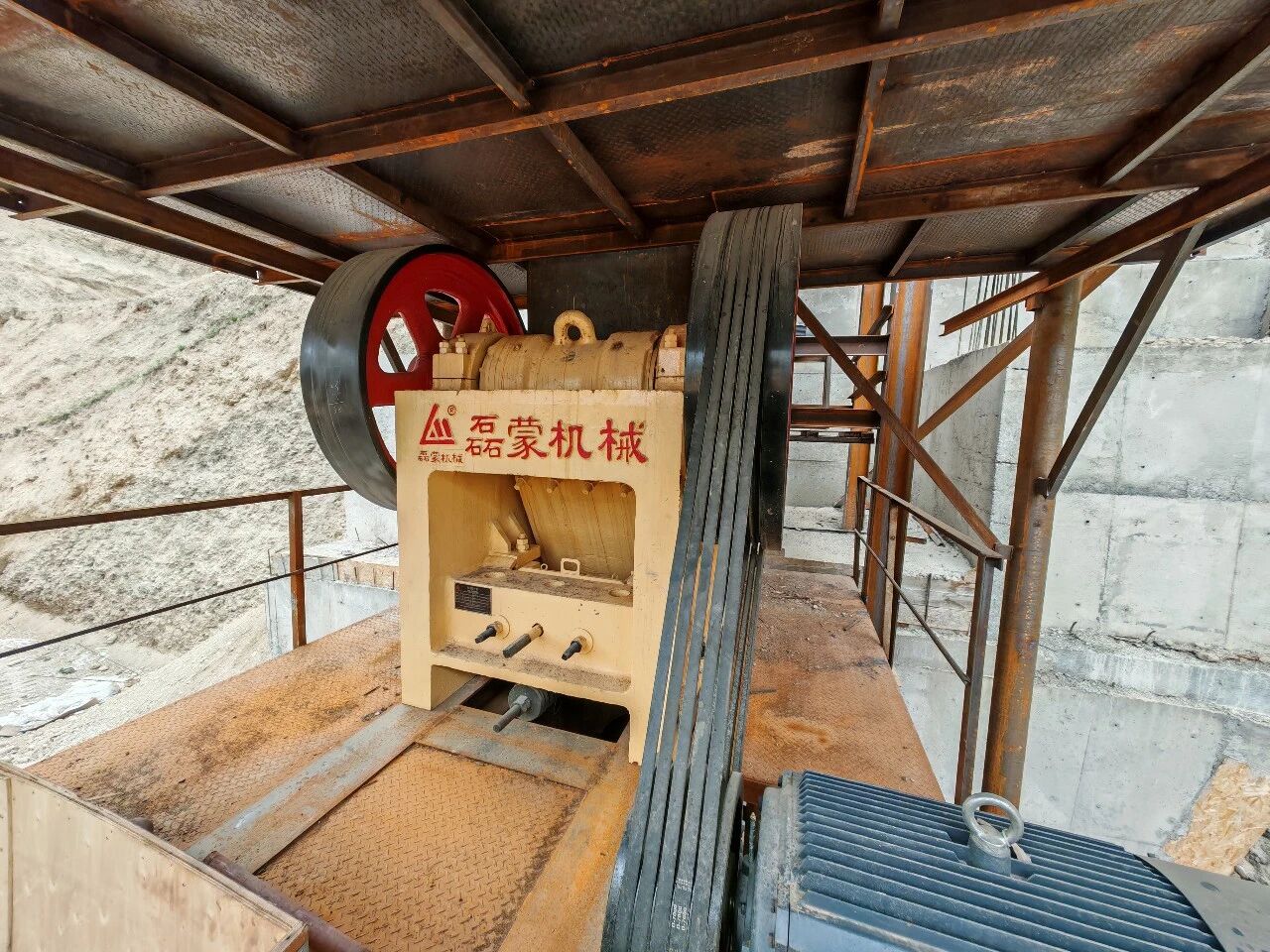
Step 2: Primary Crushing with PE Jaw Crusher
The PE jaw crusher handles the first size reduction stage. For hard and abrasive pebble material, jaw crushing is a practical choice because it uses compression force to reduce large stones into smaller feed suitable for secondary crushing.
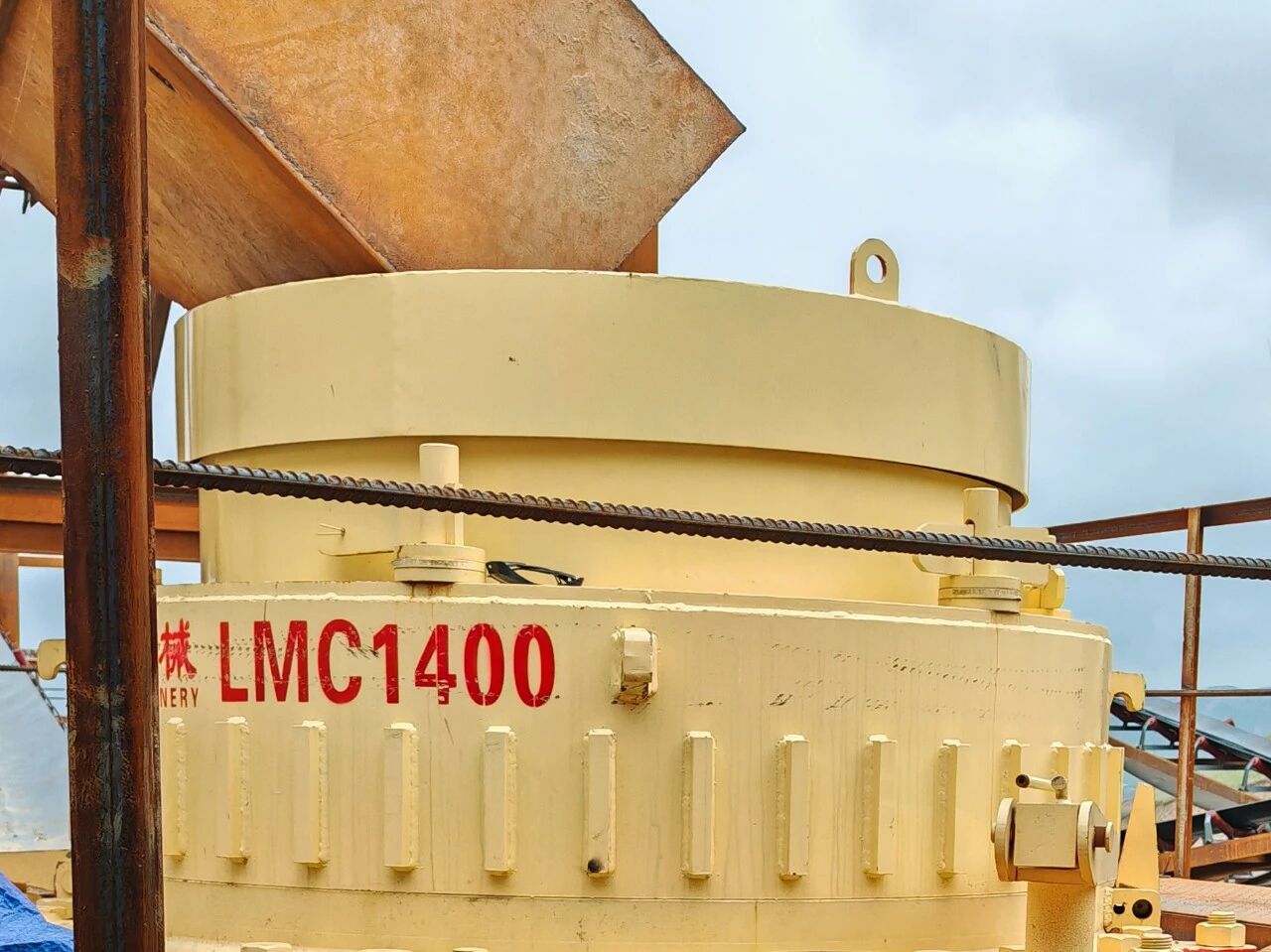
Step 3: Secondary Crushing with LMC Cone Crusher
After primary crushing, the LMC cone crusher further reduces the pebble material. Cone crushing is commonly used for hard rock and abrasive stone because it offers stable compression crushing and better wear control.
Compared with impact crushing, cone crushing is usually more suitable for hard and abrasive pebble material because it can help control wear cost and maintain stable discharge size in long-term operation.
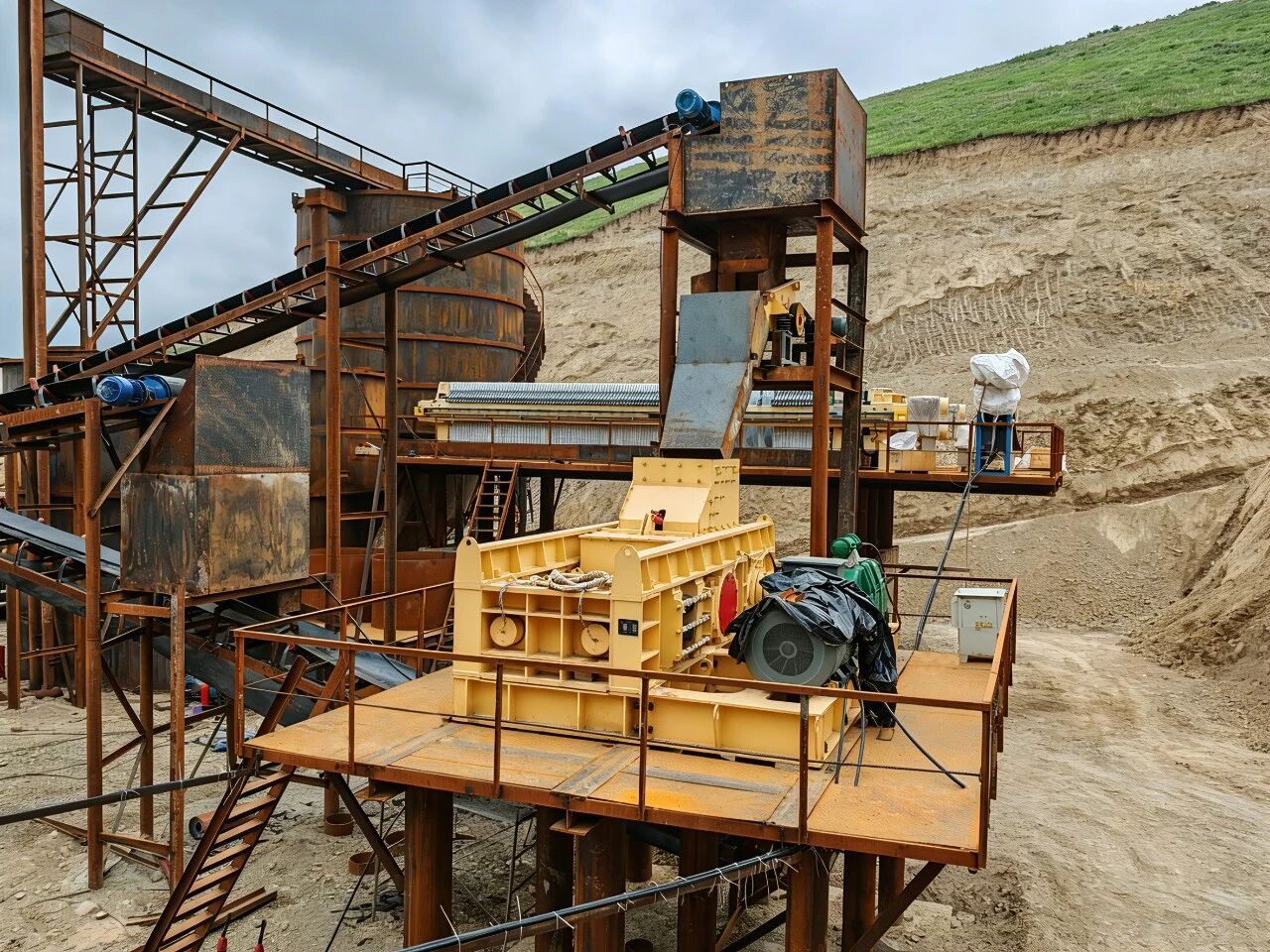
Step 4: Sand Making with PG Double-Roller Machine
The PG double-roller sand making machine helps process selected material into sand-sized products. This stage is important for controlling final particle size and improving usable fine aggregate ratio.
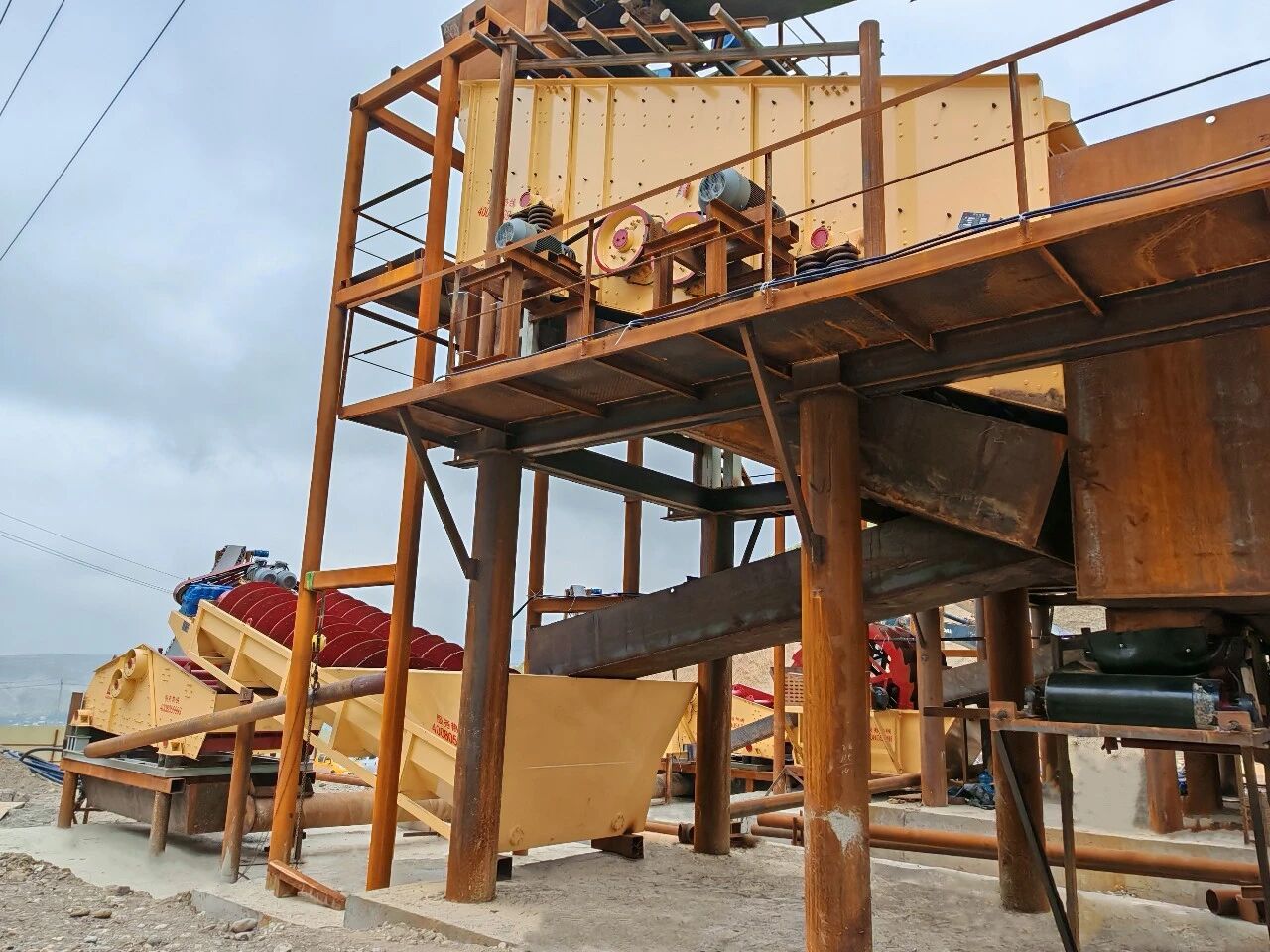
Step 5: Screening with YKJ Vibrating Screen
The YKJ vibrating screen separates crushed material into different product sizes. It also affects recirculating load, crusher efficiency and final aggregate consistency.
Step 6: Washing, Dewatering and Fine Sand Recovery
The LSX and XSD sand washing machines remove impurities and improve sand cleanliness. The ZK dewatering screen reduces moisture content, while the ZKX fine sand recovery machine recovers valuable fine material from wastewater.
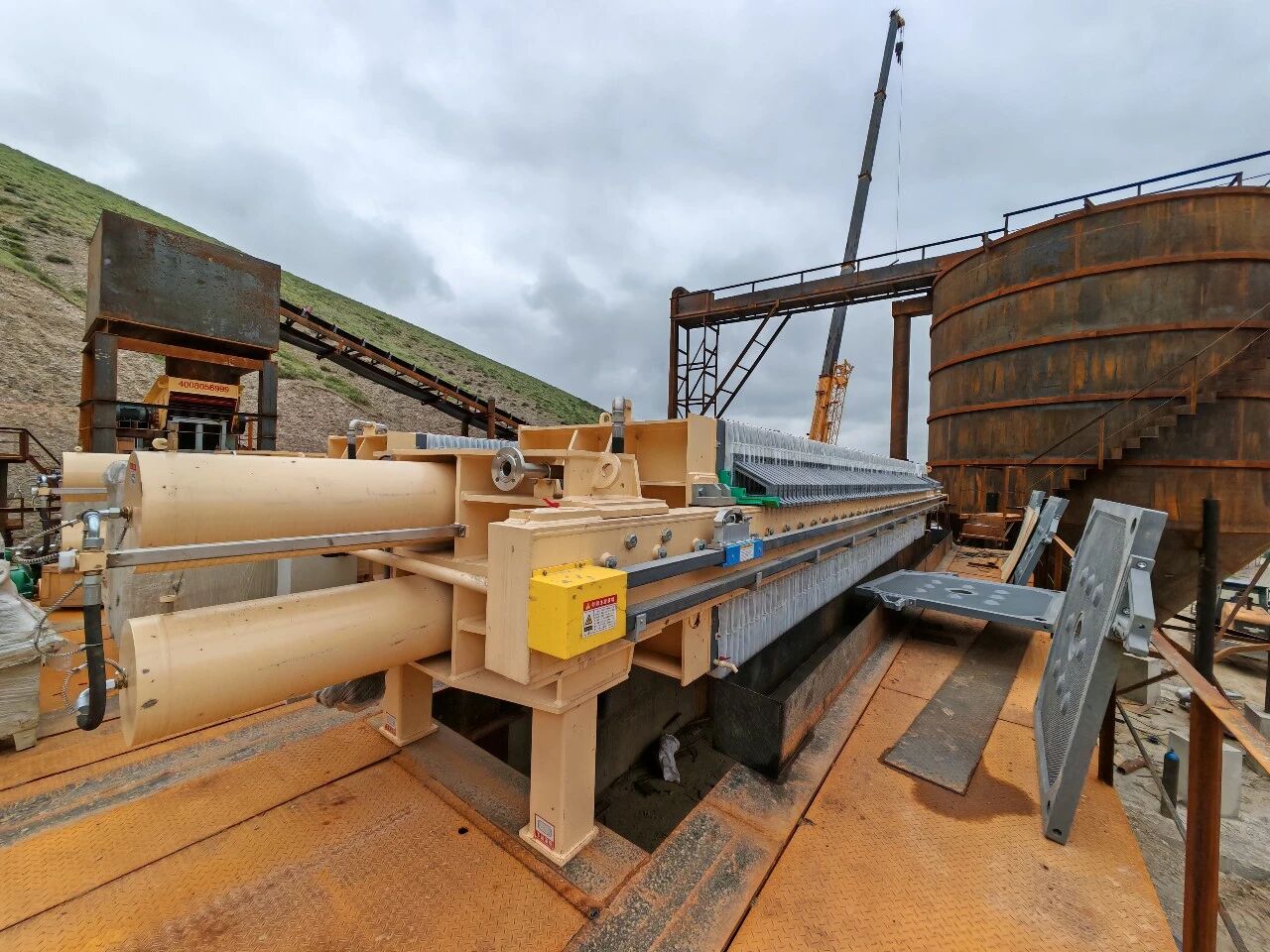
Step 7: Wastewater Treatment with Filter Press
The plate and frame filter press supports wastewater and sludge treatment, reducing slurry discharge and improving site cleanliness.
Why This Configuration Fits Pebble Aggregate Production
The key to pebble aggregate production is balance. If the primary crusher is too small, the line may face blockage. If the secondary crusher is not suitable for abrasive material, wear cost may increase. If screening and washing are not properly matched, the final product may have unstable gradation or excessive fines loss.
For this reason, Leimeng configured the line as an integrated system:
A Closed-Loop Process for Better Product Quality
In aggregate production, a closed-loop process helps control oversize material. Material that does not meet the required size can return to the crushing stage for further processing, while qualified products move to washing, dewatering or stockpiling.
For the Kyrgyzstan pebble crushing line, this process improves:
- More stable final aggregate size
- Better control of sand quality after washing and recovery
- Lower waste of usable fine material
This is especially important for road construction, concrete production and infrastructure projects.
On-Site Technical Support for Faster Project Construction
Equipment is only one part of a successful crushing plant. Installation guidance, process connection and commissioning support are equally important, especially for overseas projects.
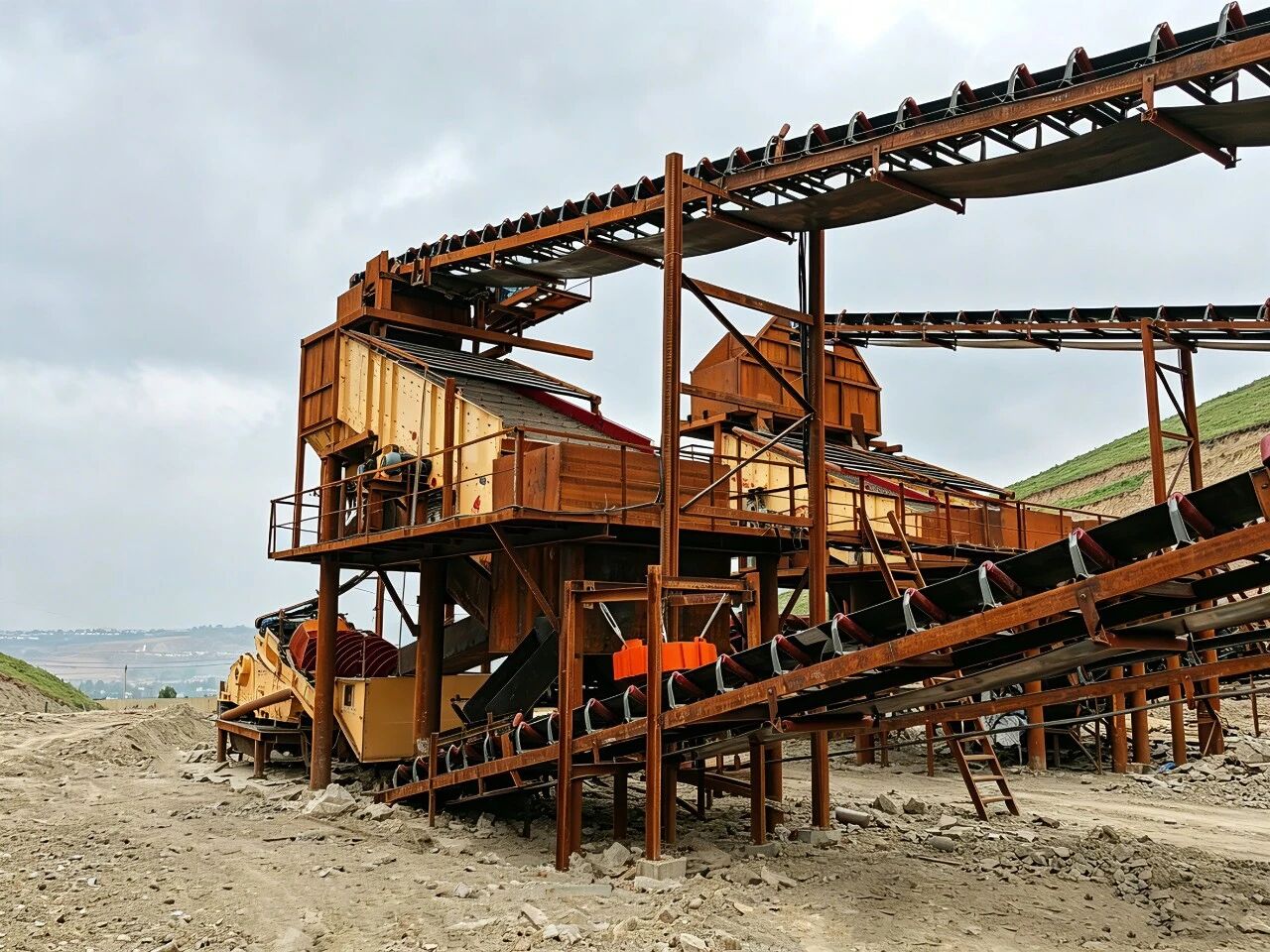
During the construction of this pebble crushing line, Leimeng’s technical team provided on-site support in Kyrgyzstan, assisting with installation, process integration and commissioning.
This reflects a practical service model: the value of a supplier is not only equipment manufacturing, but also ensuring smooth startup and stable operation.
Supporting Aggregate Production in Central Asia
Central Asia has diverse construction and infrastructure needs. In countries such as Kyrgyzstan, local aggregate production supports road building, construction material supply and infrastructure development.
Leimeng Group continues to provide localized crushing, screening, sand making and washing solutions. For pebble crushing projects, configurations are designed based on raw material, capacity, feed size, final product size, water treatment needs and site layout.
What Clients Should Consider Before Building a Pebble Crushing Line
Before selecting equipment, project owners should clarify production conditions:
- What is the raw material?
- What capacity is required?
- What final product sizes are needed?
- Is washing required?
- How will wastewater be handled?
These factors determine the correct process design.
Leimeng Pebble Crushing Solutions
Leimeng Group provides crushing, screening, sand making, washing and fine sand recovery equipment for quarry and mining projects. For pebble crushing lines, the company designs systems that balance efficiency, wear cost, product quality and environmental requirements.
In Kyrgyzstan, Leimeng’s equipment supply and technical support helped the client build a complete closed-loop production system from raw pebble feeding to final aggregate and sand recovery.
FAQ
Q1: What is a pebble crushing line?
A pebble crushing line processes river pebbles into aggregates and manufactured sand through feeding, crushing, screening, sand making, washing and dewatering. Since pebbles are hard and abrasive, the line should be designed to balance output, wear cost and final product quality.
Q2: Why is cone crushing suitable for pebble material?
Pebbles are hard and abrasive, so cone crushers are often used for secondary crushing. They help maintain stable discharge size and reduce wear cost in long-term hard rock operation.
Q3: Why does a pebble crushing line need sand washing?
Sand washing removes clay, dust and impurities from crushed pebble material. It helps improve sand cleanliness, control fines and produce more consistent finished sand.
Q4: What does a fine sand recovery machine do?
A fine sand recovery machine recovers usable fine particles from wastewater after sand washing. It helps reduce fine sand loss, improve sand yield and keep the site cleaner.
Q5: What information is needed to design a pebble crushing line?
To design a pebble crushing line, engineers need the raw material, feed size, capacity, final product sizes, site layout and washing requirements. These details help select the right crushers, screens and washing equipment.