
500 TPH Granite Crushing Line in Myanmar | Leimeng
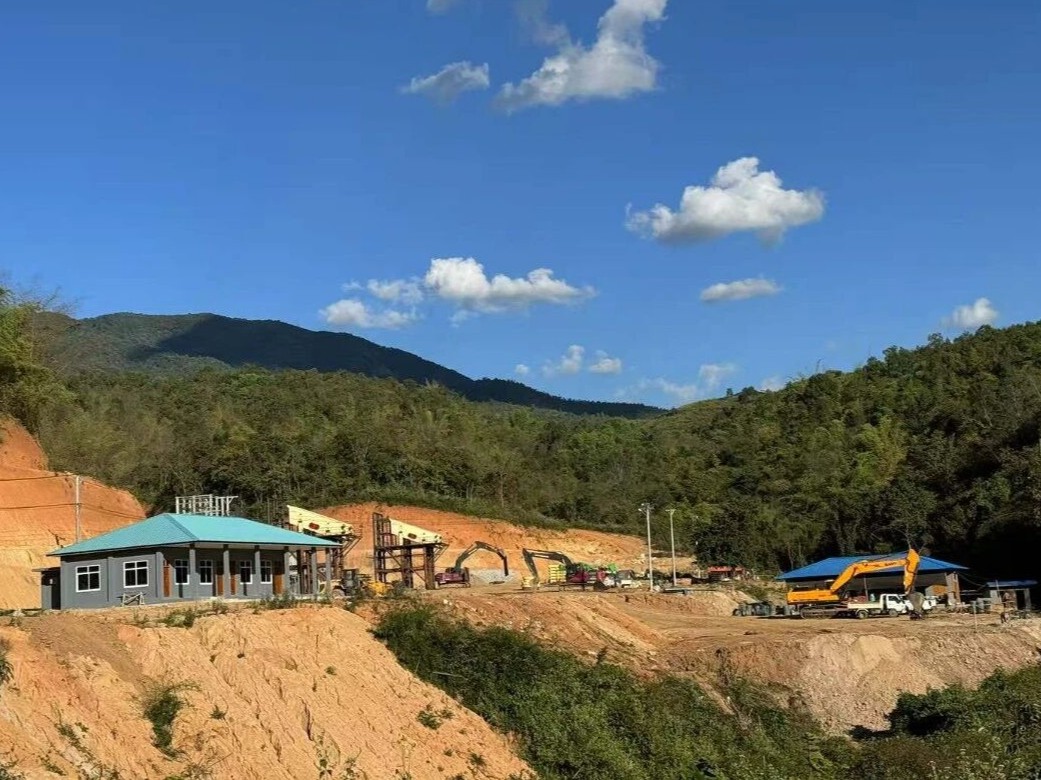
How Leimeng Supports a 500 TPH Granite Crushing Line in Myanmar
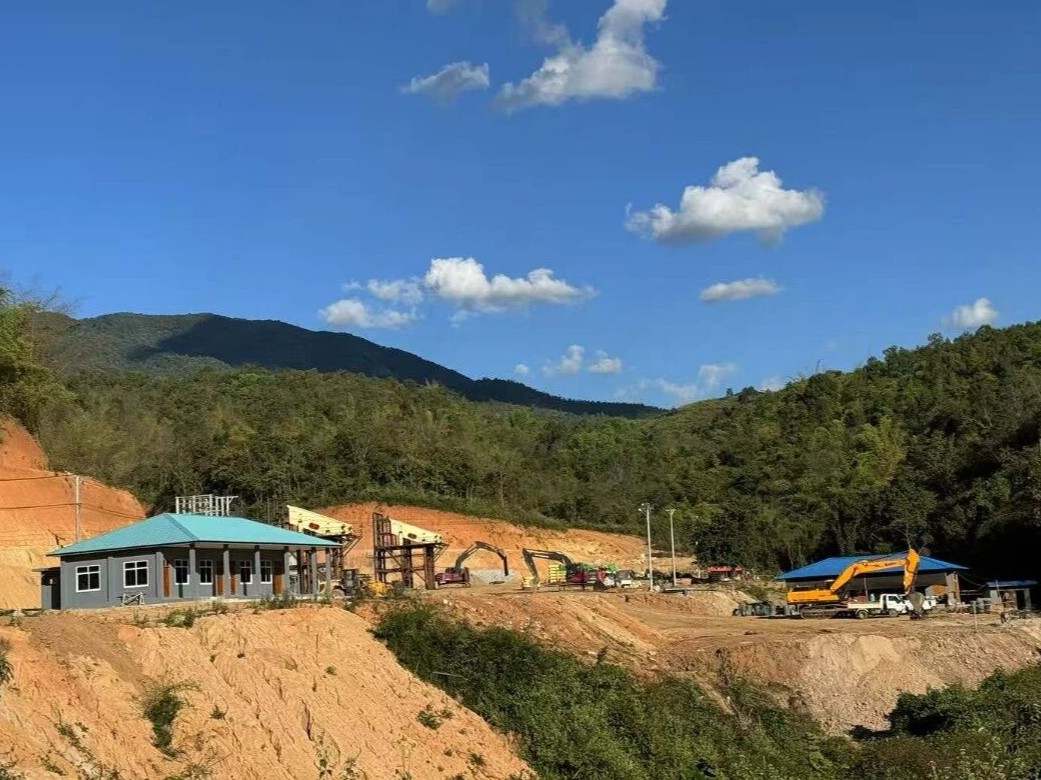
A 500 TPH Granite Crushing Project Built for Hard Rock Aggregates
A 500 TPH granite crushing line in Myanmar is moving forward with crushing and screening equipment supplied by Leimeng Group. The project is designed to process hard granite and produce five aggregate sizes: 0–5 mm, 5–10 mm, 10–20 mm, 20–40 mm and 40–60 mm.
For a granite aggregate project, the key is not only high capacity. The production line must also control wear, maintain stable output and produce well-graded materials for different construction and infrastructure applications. Because granite is typically a hard rock with a Mohs hardness of about 6–7, crusher selection and wear-resistant configuration are critical for long-term operation.
In this project, Leimeng Group provides a full crushing and screening configuration, including PE jaw crusher, S cone crusher, LMC cone crusher, YKJ vibrating screen and ZW feeder. The system is configured to handle heavy-load granite crushing while keeping the downstream screening process stable.
Why Granite Crushing Requires a Different Equipment Strategy
Granite is widely used for aggregates, road base, concrete materials and infrastructure construction. However, compared with softer rocks such as limestone, granite places higher demands on crushers, liners, screening equipment and plant layout.
In a hard rock crushing line, the main challenges usually include:
- high wear on jaw plates, mantles, concaves and liners;
- higher crushing force requirement;
- more pressure on secondary and fine crushing stages;
- unstable feed size if the primary crushing stage is not well controlled;
- higher circulating load if screening and crushing are not balanced.
For this reason, the Myanmar project uses a staged crushing process. The jaw crusher handles primary size reduction, while the cone crushers continue secondary and fine crushing. The vibrating screen then separates the material into different product sizes.
This process follows a practical rule in hard rock aggregate production: start with the material, then match the equipment. For abrasive rock such as granite, a jaw crusher and cone crusher combination is usually more suitable than relying on impact crushing as the main process.
Equipment Configuration for the Myanmar Granite Crushing Line
PE Jaw Crusher for Primary Crushing
The PE jaw crusher is used as the first crushing stage. Its role is to reduce large granite blocks into a size suitable for cone crushing.
In granite crushing, primary crushing stability is very important. If the first stage does not control the feed size properly, the cone crushers and vibrating screen may face unstable loading, higher wear and lower efficiency.
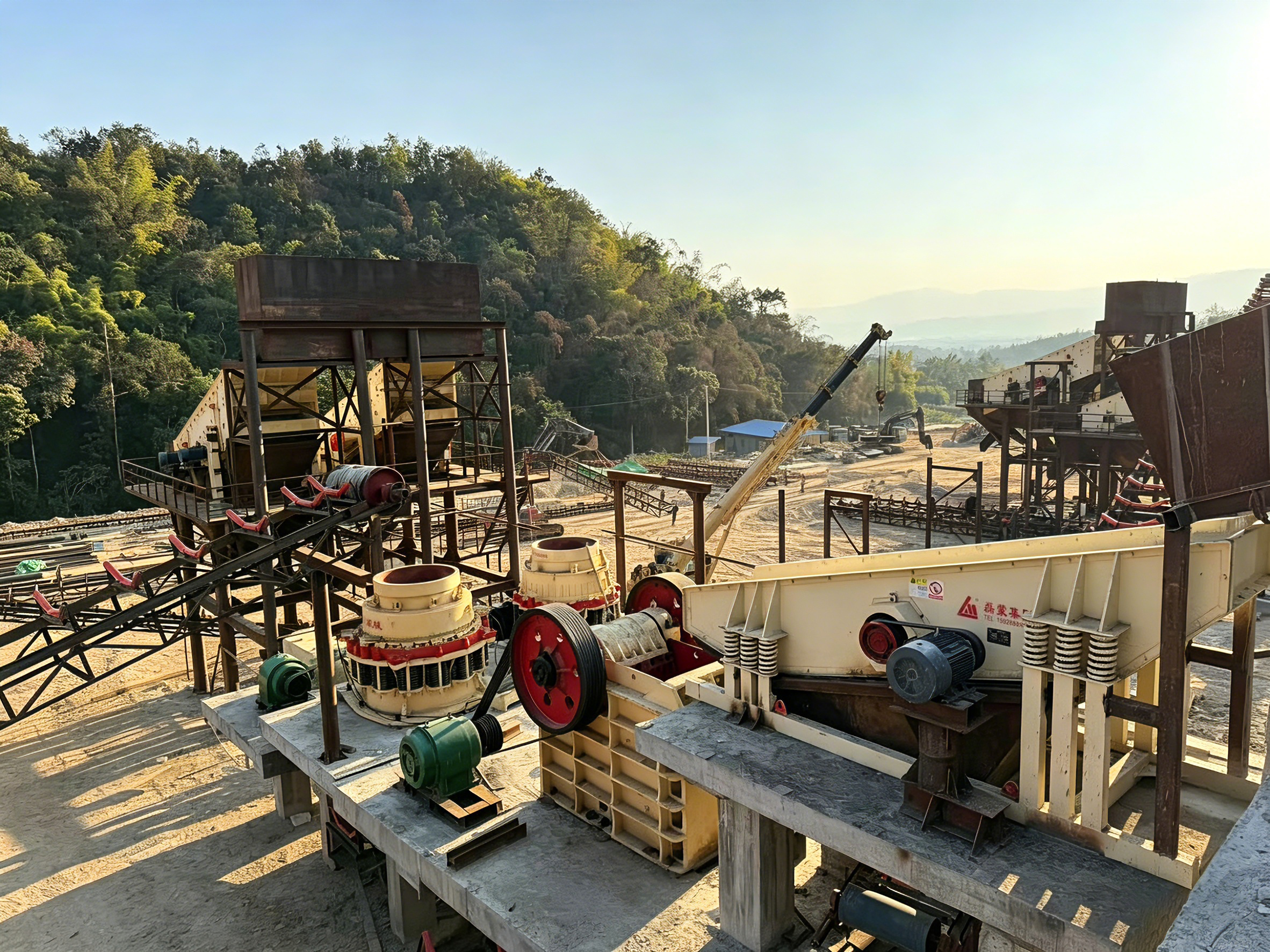
S Cone Crusher and LMC Cone Crusher for Secondary and Fine Crushing
The S cone crusher and LMC cone crusher are used for secondary and further size reduction. Cone crushers are suitable for hard and abrasive materials because they use compression crushing and can maintain more stable operation under continuous load.
For granite aggregate production, cone crushers help control product size and reduce excessive wear compared with impact crushers in many hard rock applications.
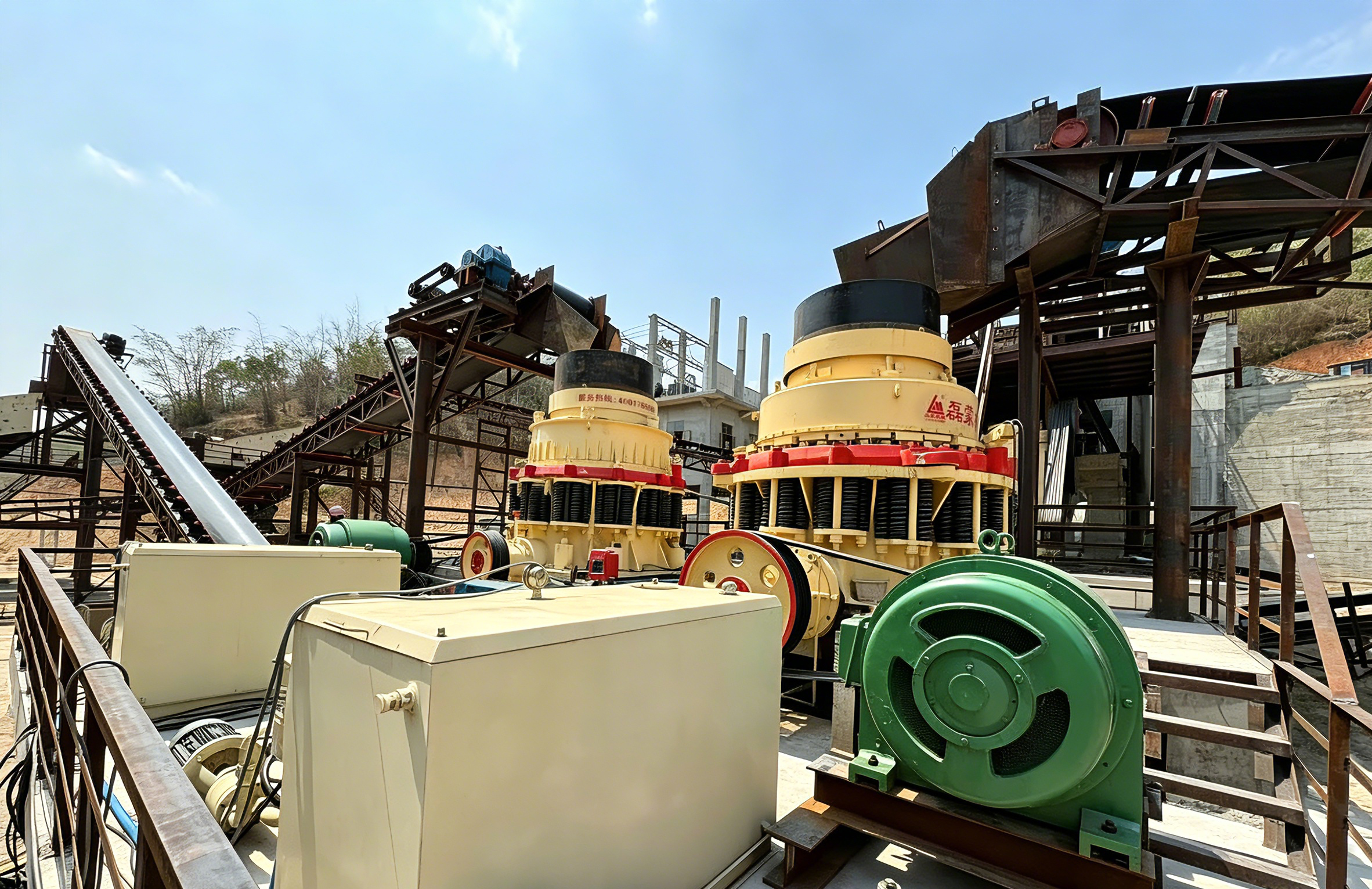
YKJ Vibrating Screen for Accurate Aggregate Classification
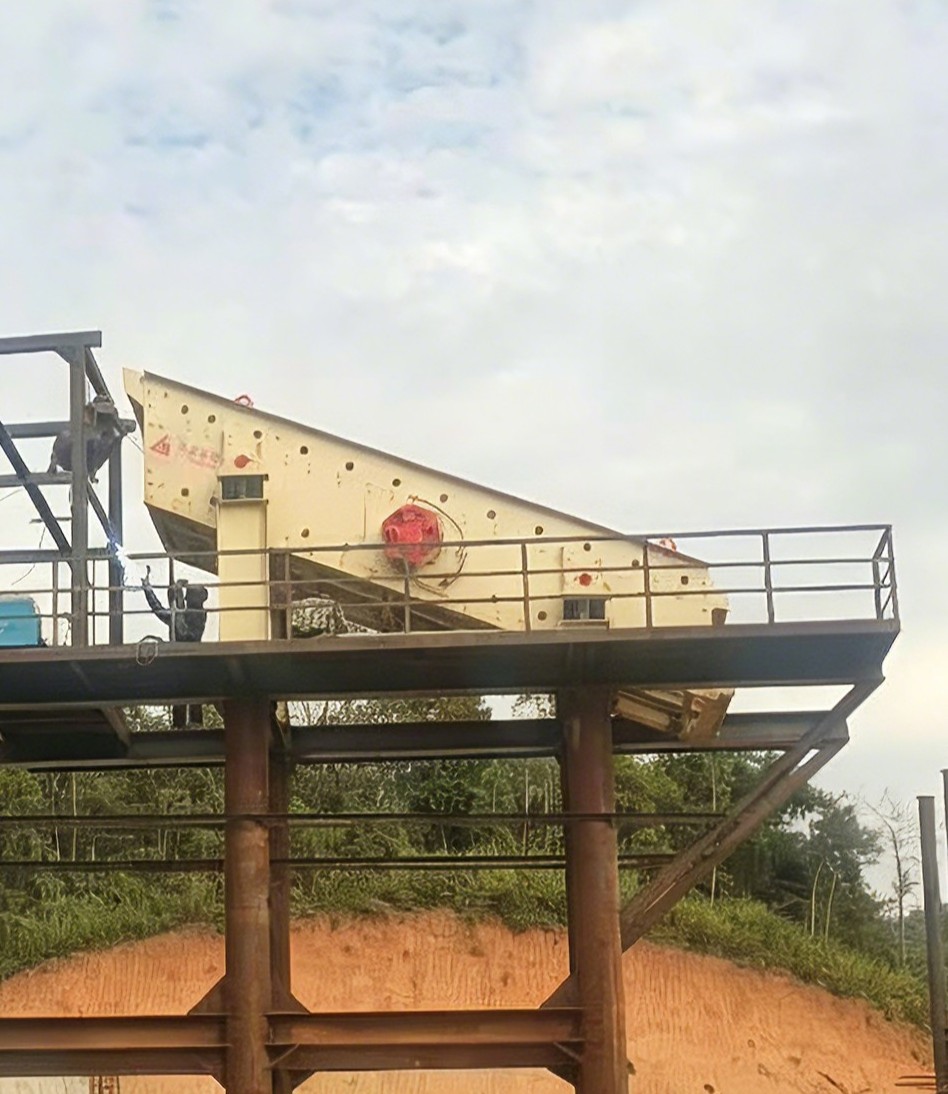
The YKJ vibrating screen separates crushed granite into five product sizes. In a complete crushing and screening line, the vibrating screen is not just an auxiliary machine. It directly affects final product quality, circulating load and the overall stability of the plant.
The five output sizes in this Myanmar project — 0–5 mm, 5–10 mm, 10–20 mm, 20–40 mm and 40–60 mm — allow the line to serve different aggregate applications. International aggregate standards often define aggregate size by the d/D designation, and European aggregate sizing systems include sieve sizes such as 0, 4, 8, 16, 32 and 63 mm.
ZW Feeder for Stable Material Feeding
The ZW feeder helps maintain continuous and even feeding before crushing. Stable feeding is especially important for granite crushing because sudden changes in feed volume or oversized material can increase crusher load and affect output consistency.
A well-matched feeder also helps protect the primary crusher and improve the efficiency of the entire crushing circuit.
Final Aggregate Sizes and Application Value
The Myanmar granite crushing line is designed to produce five aggregate sizes:
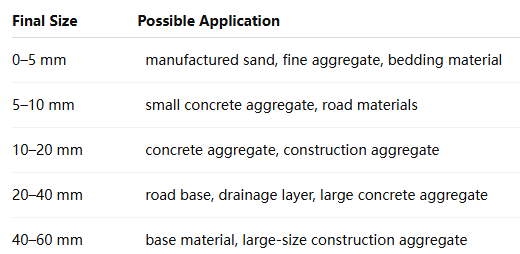
Fine aggregate may be natural sand, manufactured sand or a combination of both under ASTM C33/C33M concrete aggregate specifications. This makes the 0–5 mm fraction especially important when a project wants to improve local fine aggregate supply.
For local aggregate producers, producing multiple sizes from one line improves flexibility. The plant can supply different market needs without relying on a single product size.
How Leimeng Optimized the Process for Local Conditions
Every granite crushing project needs to consider local working conditions. In Myanmar, the project requires stable performance under heavy loads, practical maintenance and reliable service support during installation and commissioning.
Leimeng’s technical team optimized the process around three factors:
1. Material hardness and abrasiveness
Granite requires a wear-resistant crushing configuration. Therefore, crusher type, chamber design and wear parts need to match the material instead of using a general-purpose setup.
2. Balanced crushing and screening
Crusher output and screen capacity must work together. If the screen is undersized, circulating load increases. If crushing output is unstable, final product grading may also fluctuate.
3. Long-term maintenance convenience
For overseas projects, maintenance access, spare parts replacement and commissioning support are important. A plant that is easier to inspect and maintain can reduce unnecessary downtime over time.
On-Site Support from Installation to Commissioning
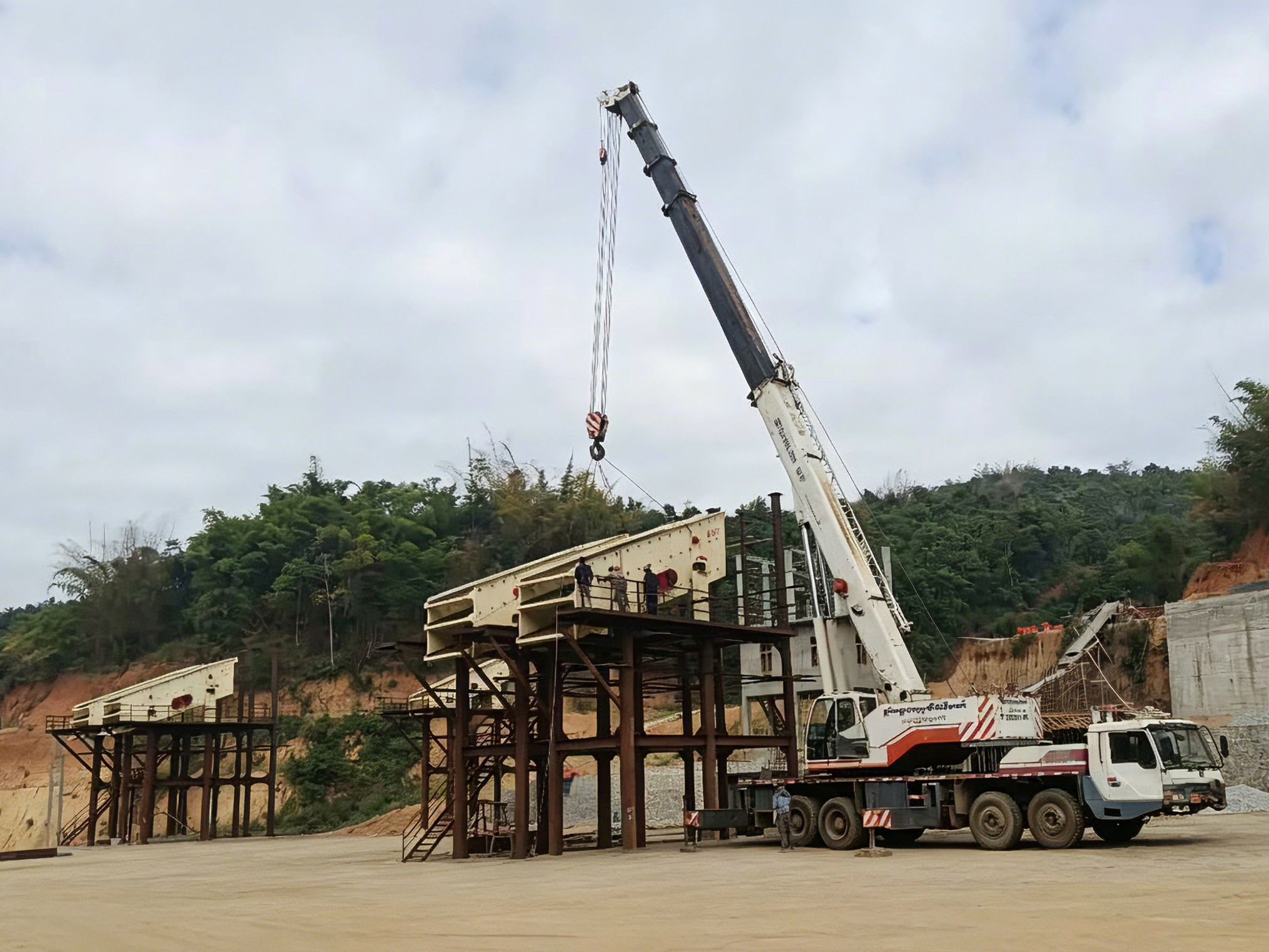
During the project construction period, Leimeng’s team provides on-site technical support for equipment installation, process connection and commissioning. This support helps the client solve practical problems quickly and keeps the project moving toward stable operation.
For overseas aggregate projects, service is not only about installation. It also includes communication with the site team, checking equipment connection, reviewing the process flow and making adjustments according to real working conditions.
This is especially important for a hard rock line, where feeding, crushing, screening and material transfer must be coordinated as one system.
Why This Project Matters for Myanmar’s Aggregate Supply
Infrastructure and construction projects require stable aggregate supply. A 500 TPH granite crushing line can help improve local access to multiple aggregate sizes and support road, concrete and mining-related construction needs.
The value of this project is not only the equipment itself. It also shows how a customized crushing and screening process can turn hard local rock resources into usable construction aggregates.
With this project, Leimeng Group continues to support overseas clients in Southeast Asia with practical equipment, process design and project service.
Leimeng Granite Crushing Solutions
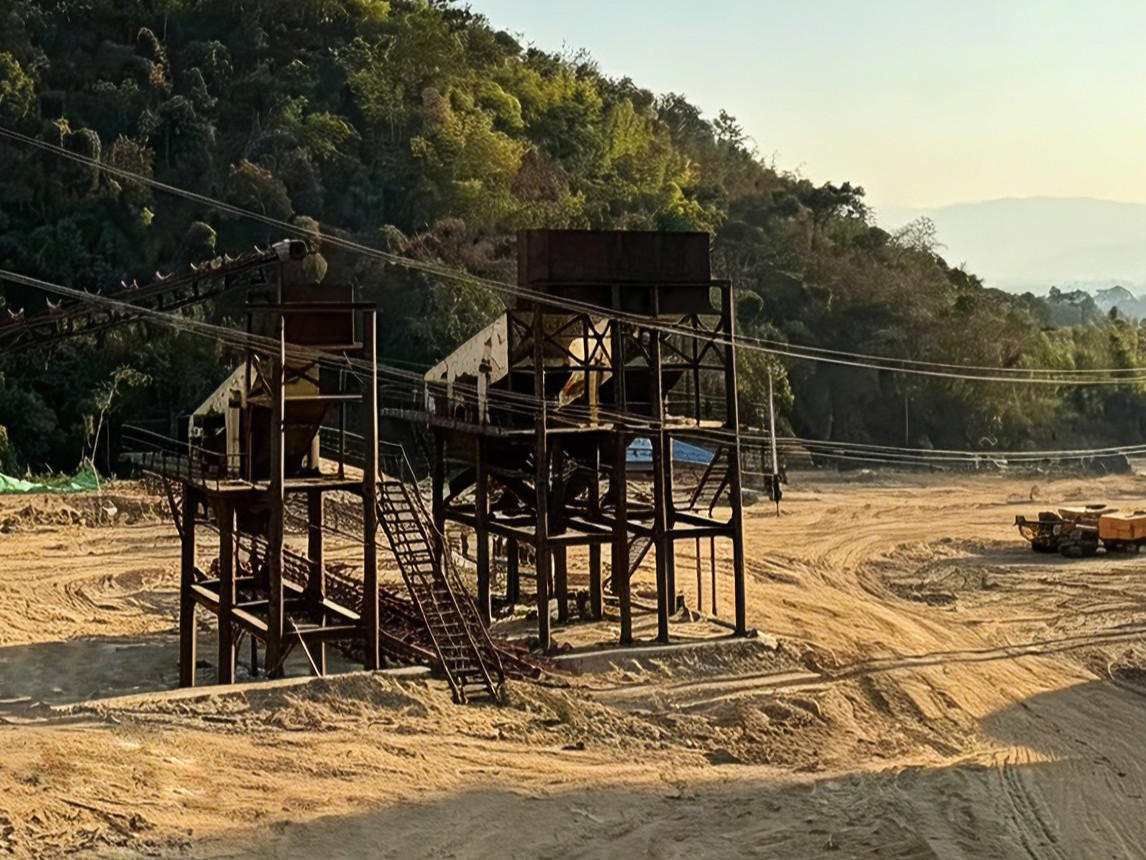
Leimeng Group provides crushing, screening, sand-making and washing equipment for quarry, mining and aggregate production projects. For hard rock materials such as granite, basalt and river stone, Leimeng can recommend suitable configurations based on the client’s material, feed size, required capacity and final aggregate specifications.
A typical hard rock aggregate line may include:
feeder;
jaw crusher;
cone crusher;
vibrating screen;
conveyor system;
sand-making or washing equipment when required.
For the Myanmar granite project, the combination of PE jaw crusher, S cone crusher, LMC cone crusher, YKJ vibrating screen and ZW feeder is designed to support stable production, accurate grading and long-term operation.
FAQ
Q1: What is the capacity of the Myanmar granite crushing line?
The project is designed for 500 TPH granite crushing and screening.
Q2: What final aggregate sizes can the line produce?
The line can produce 0–5 mm, 5–10 mm, 10–20 mm, 20–40 mm and 40–60 mm aggregates.
Q3: Why are cone crushers used for granite crushing?
Cone crushers are suitable for hard and abrasive materials because they use compression crushing and can provide stable size reduction in secondary and fine crushing stages.
Q4: Why is screening important in a granite aggregate line?
Screening controls final product size, reduces unnecessary circulating load and helps produce multiple aggregate specifications from one production line.
Q5:How does Leimeng support overseas crushing projects?
Leimeng provides equipment configuration, technical guidance, installation support, commissioning support and process adjustment based on site conditions.
Conclusion
The 500 TPH granite crushing line in Myanmar shows how hard rock aggregate production requires more than individual machines. It needs a balanced process, suitable crusher selection, accurate screening and reliable service support.
By combining PE jaw crusher, S cone crusher, LMC cone crusher, YKJ vibrating screen and ZW feeder, Leimeng Group helps the client build a practical granite crushing and screening line for multiple aggregate sizes and long-term operation.