
Limestone Crushing Plant: A 450 TPH Example in Hunan
Limestone Crushing Plant: A 450 TPH Example in Hunan
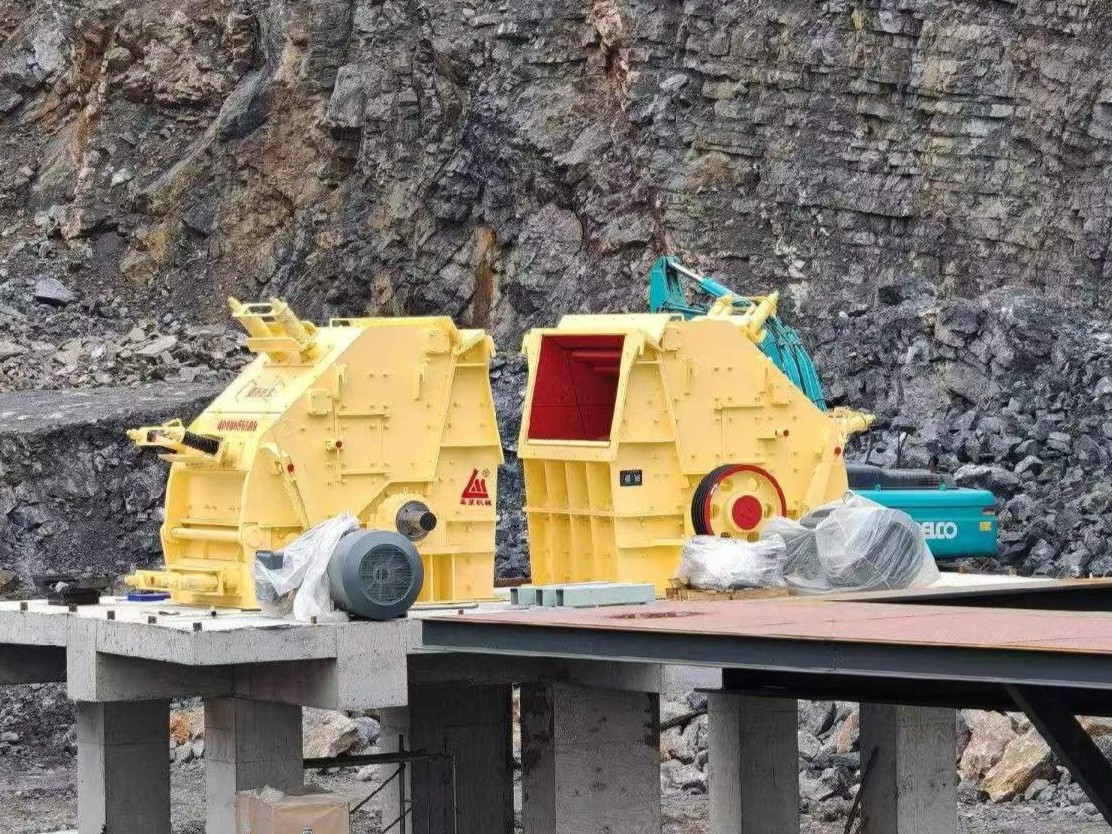
The 450 TPH limestone crushing plant in Hunan, China, uses Leimeng Group’s GC125 jaw crusher, PFG1520 impact crusher and 2YKJ3070 vibrating screen to process limestone into construction aggregates.
For clients planning a similar plant, this project offers a useful starting point: how the crushing stages work together, where screening fits into the process, and which requirements to discuss before selecting equipment.
Hunan Project Overview
| Project Item | Details |
| Location | Hunan, China |
| Raw material | Limestone |
| Project capacity | 450 tonnes per hour |
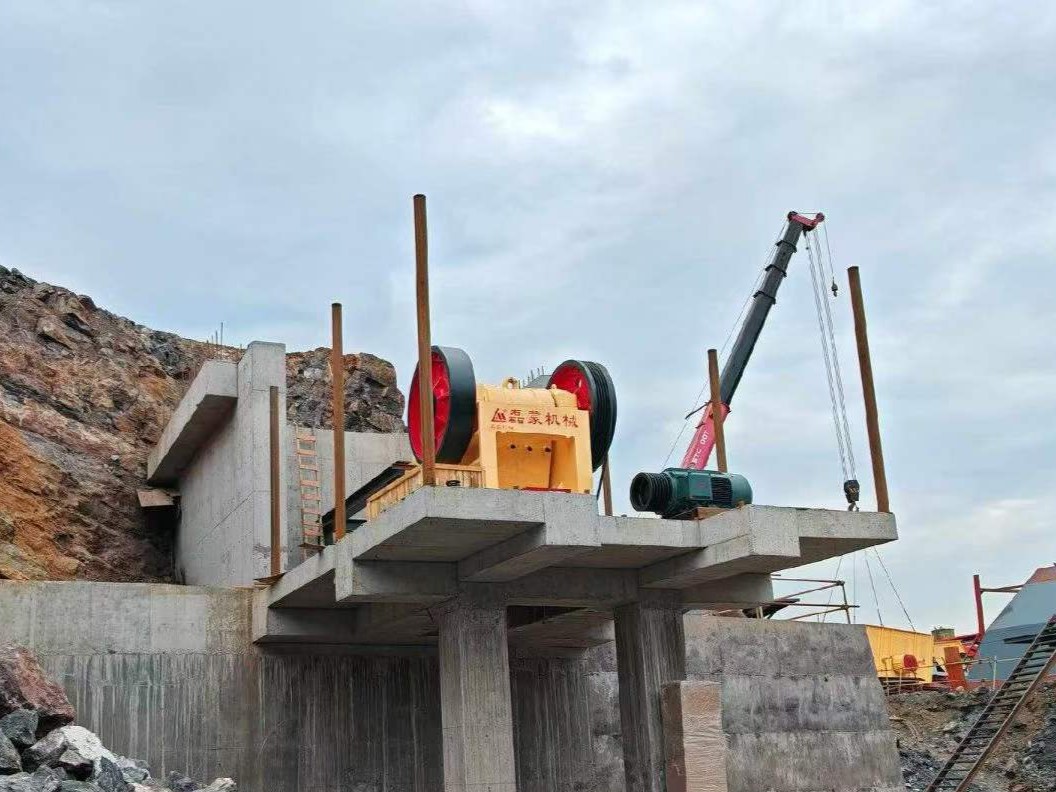
| Primary crushing | GC125 jaw crusher |
| Material size after primary crushing | Below 200 mm |
| Secondary crushing | PFG1520 impact crusher |
| Screening | 2YKJ3070 vibrating screen |
| Application | Construction aggregate production |
The main processing sequence is:
Limestone → GC125 jaw crusher → PFG1520 impact crusher → 2YKJ3070 vibrating screen → Aggregate fractions
Belt conveyors move material between the processing stages and carry the separated products to their discharge points.
How the Crushing and Screening Process Works
Primary Crushing: Preparing Material for the Next Stage
In the Hunan project, the GC125 jaw crusher performs the first stage of crushing, reducing the limestone to below 200 mm before it enters the impact crusher.
For a similar plant, the primary crusher needs to accommodate the incoming rock and produce feed suitable for the secondary stage. Both the maximum lump size and the overall feed-size distribution matter when assessing this match.
Feeding and conveying capacity also need to keep pace with the crushers so that material can move consistently between the two stages.
Secondary Crushing: Further Reduction and Particle Shaping
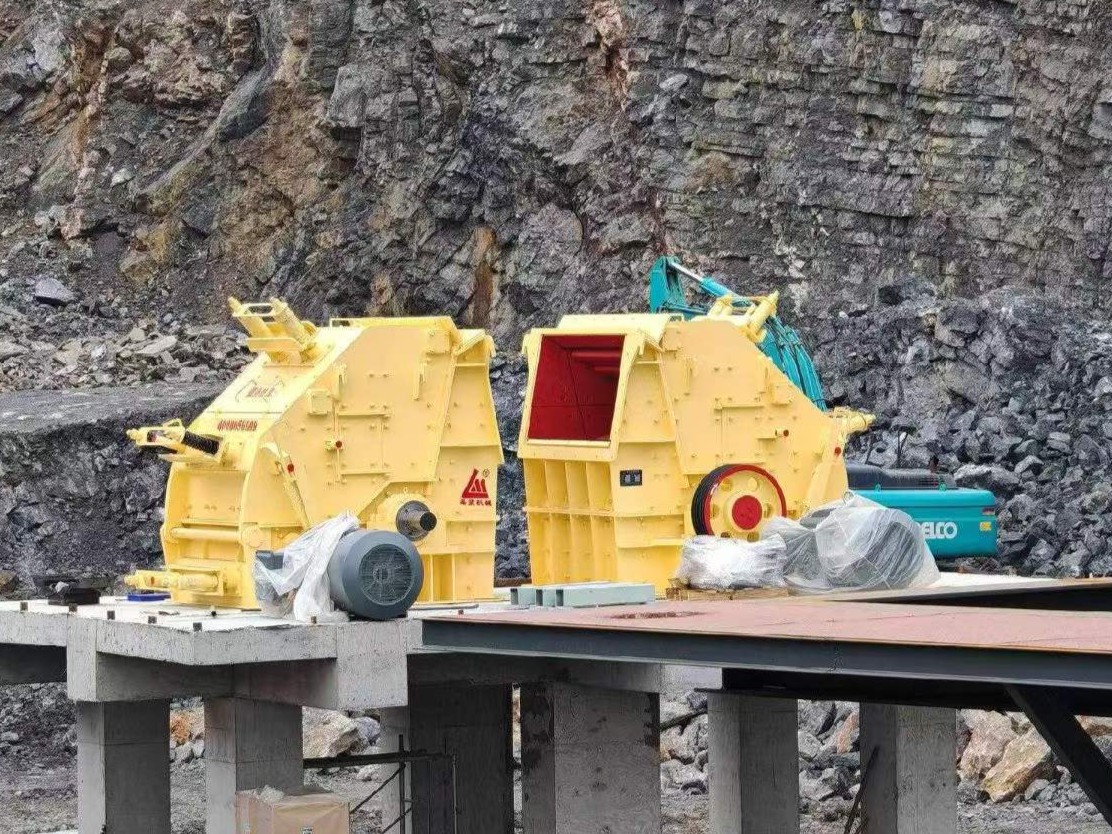
The PFG1520 impact crusher further reduces the limestone after primary crushing and helps improve particle shape.
For clients, the important question is how this stage fits the intended products. A plant supplying coarse aggregate may require different settings and process arrangements from one targeting a higher proportion of smaller material.
Defining the desired aggregate sizes early helps guide the secondary crushing stage. It also helps avoid unnecessary crushing that produces more fines than the client needs.
Screening: Separating the Required Aggregate Sizes
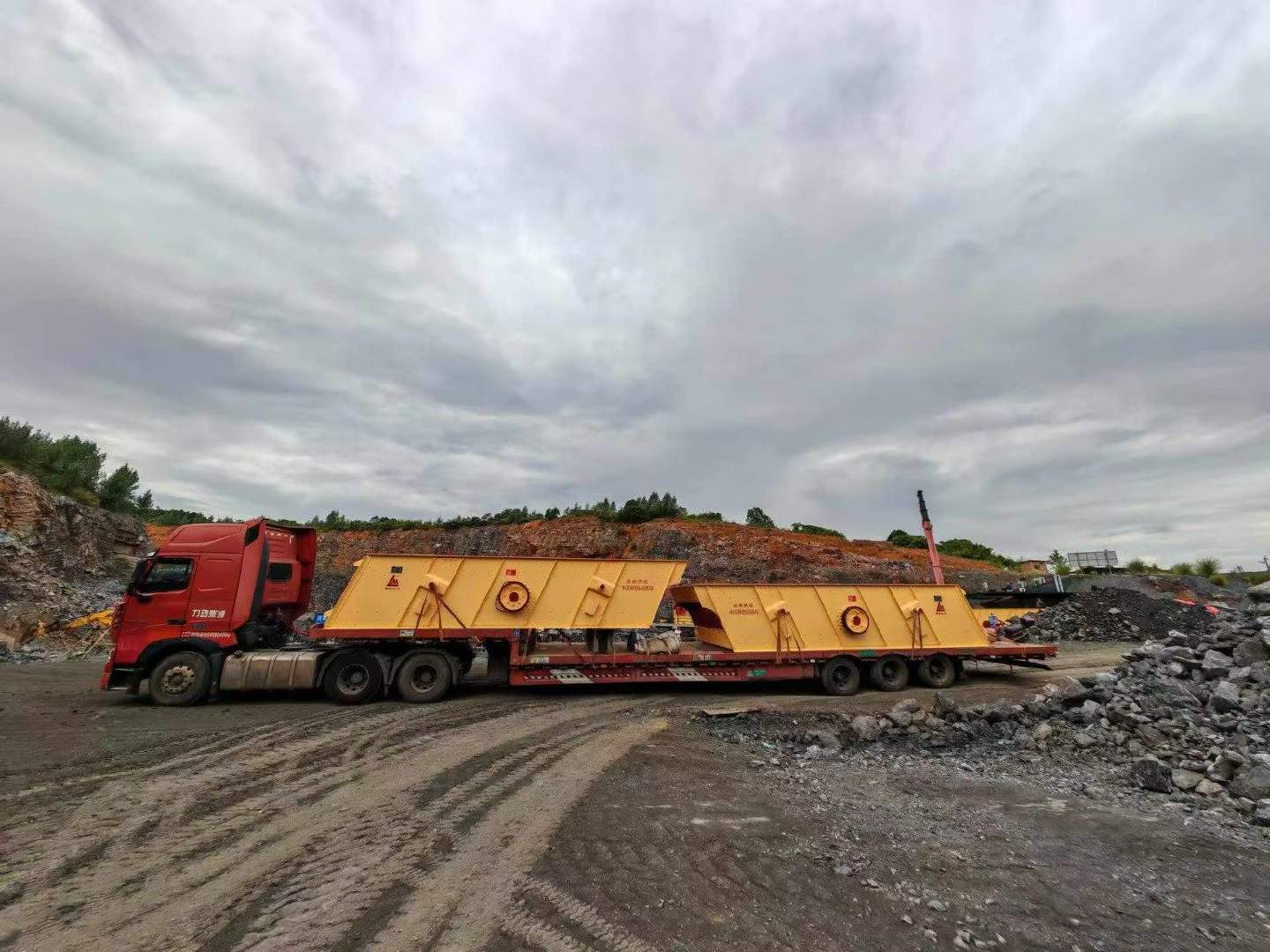
After impact crushing, the material contains a range of particle sizes. The 2YKJ3070 vibrating screen separates this material into fractions according to the installed screen openings.
Screening should therefore be considered alongside the crushers when planning a limestone aggregate production line. The required product sizes, incoming material flow and screening conditions all influence the configuration.
Screen openings define the intended size cuts, while feed distribution, material depth and moisture affect how effectively separation takes place. Matching the screen to the material flow is therefore as important as selecting the crushers.
Why Use Jaw and Impact Crushers for Limestone?
The Hunan configuration divides the crushing work between two stages. The jaw crusher handles the larger incoming material, while the impact crusher provides further reduction and particle shaping.
This combination can be suitable for limestone with relatively low abrasiveness. However, limestone deposits vary. Hard inclusions, silica content and other material characteristics can affect wear and change the suitability of an impact-crushing stage.
For another quarry, the same process should be assessed against the limestone’s properties and the required products. If the rock contains substantial abrasive inclusions, alternative secondary-crushing options may need to be considered.
What Does 450 TPH Mean for Finished Aggregate Output?
When assessing a 450 TPH limestone crushing plant, consider both total throughput and the output of the aggregate sizes you intend to sell. The proportion of each size fraction depends on the incoming material, crusher settings and screening arrangement.
If demand is concentrated on a particular aggregate size, that requirement should be discussed during process design. A total capacity figure alone does not describe the expected product mix.
When comparing proposals, confirm whether the stated capacity refers to feed throughput or finished product output, together with the material and operating conditions on which it is based.
Would a Similar Configuration Suit Your Project?
A similar limestone crushing and screening plant may be worth considering, but the equipment models should be checked against your own requirements.
| Your Project Information | How It Helps with Plant Planning |
| Maximum feed size and typical size range | Helps assess the primary crushing stage |
| Material composition and available test results | Supports crusher selection and wear assessment |
| Moisture and clay content | Helps assess handling, screening and possible washing needs |
| Required hourly capacity | Provides a basis for matching equipment across the line |
| Finished aggregate sizes and proportions | Guides crushing and screening configuration |
| Intended aggregate use | Helps establish grading and quality requirements |
| Available space, elevation and power | Influences equipment layout and conveyor arrangements |
You do not need every technical detail ready before starting a discussion. Raw material photos, an estimated maximum feed size, a capacity target and the intended aggregate use are useful starting points.
If laboratory results or site drawings are available, they can support a more detailed assessment.
Discuss Your Limestone Plant Requirements with Leimeng
The Hunan project demonstrates how a jaw crusher, an impact crusher and a vibrating screen can form the main processing stages of a limestone aggregate plant.
Leimeng Group supplies crushing and screening equipment and helps clients develop configurations around their raw materials, capacity targets and finished product requirements.
Planning a limestone crushing plant? Send us your material photos, maximum feed size, required hourly capacity and intended aggregate sizes. If the finished sizes are still being decided, tell us how the aggregate will be used so our team can discuss the next steps with you.