
Vibrating Screen Selection for Aggregate Plants
How to Select a Vibrating Screen for Capacity and Accurate Aggregate Sizing
In a closed crushing circuit with a 10 mm screen opening, a return-belt sample may contain a substantial share of material finer than 10 mm. If that happens, check how evenly the feed spreads across the deck and whether the screen openings are blocked. The screen may be handling the required tonnage while sending material that could have gone to the product stockpile back to the crusher.
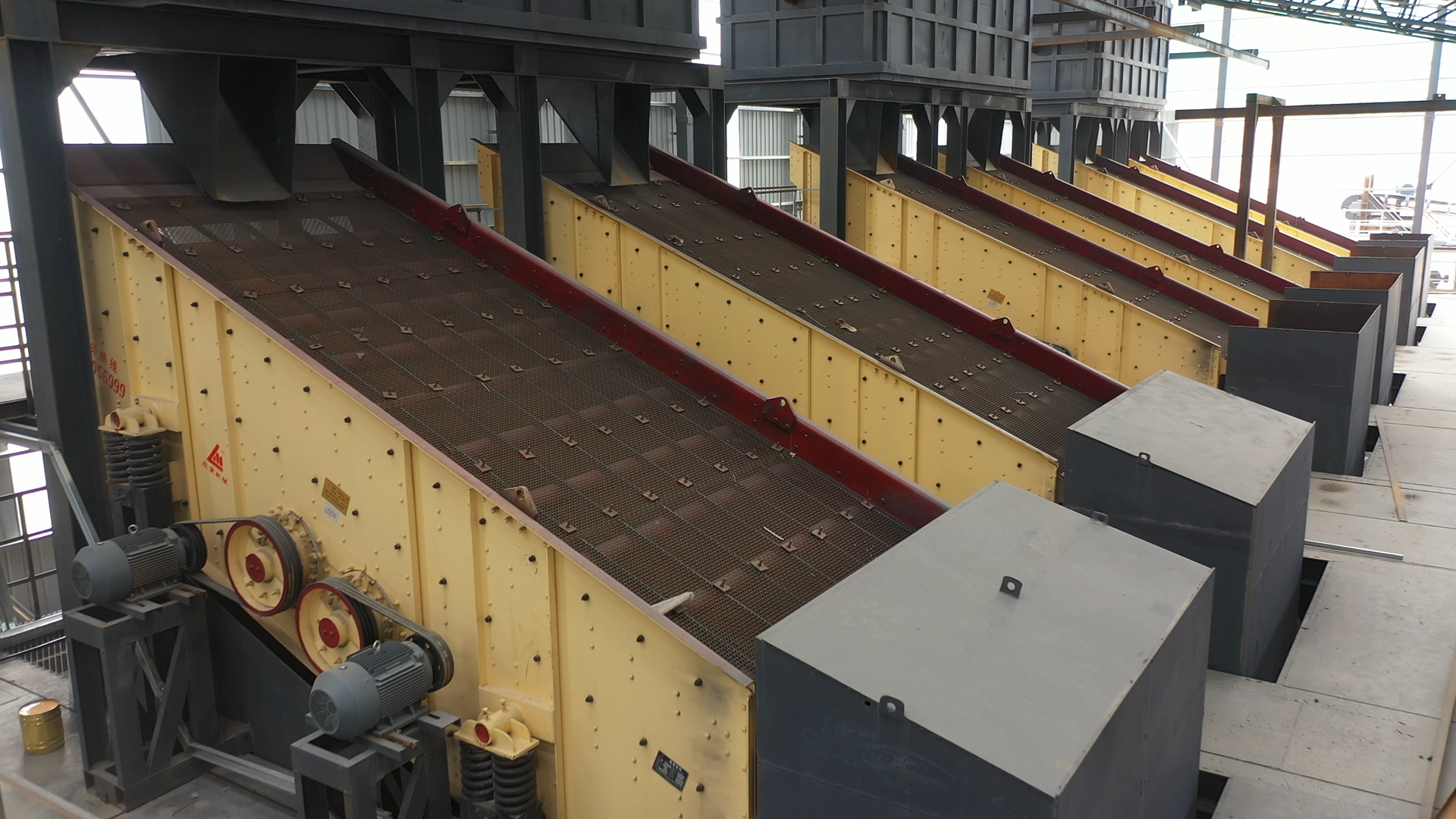
When selecting a vibrating screen, set two targets: the feed rate the screen must handle and the tonnes per hour of finished aggregate that meet the grading specification.
Start with the Screening Duty
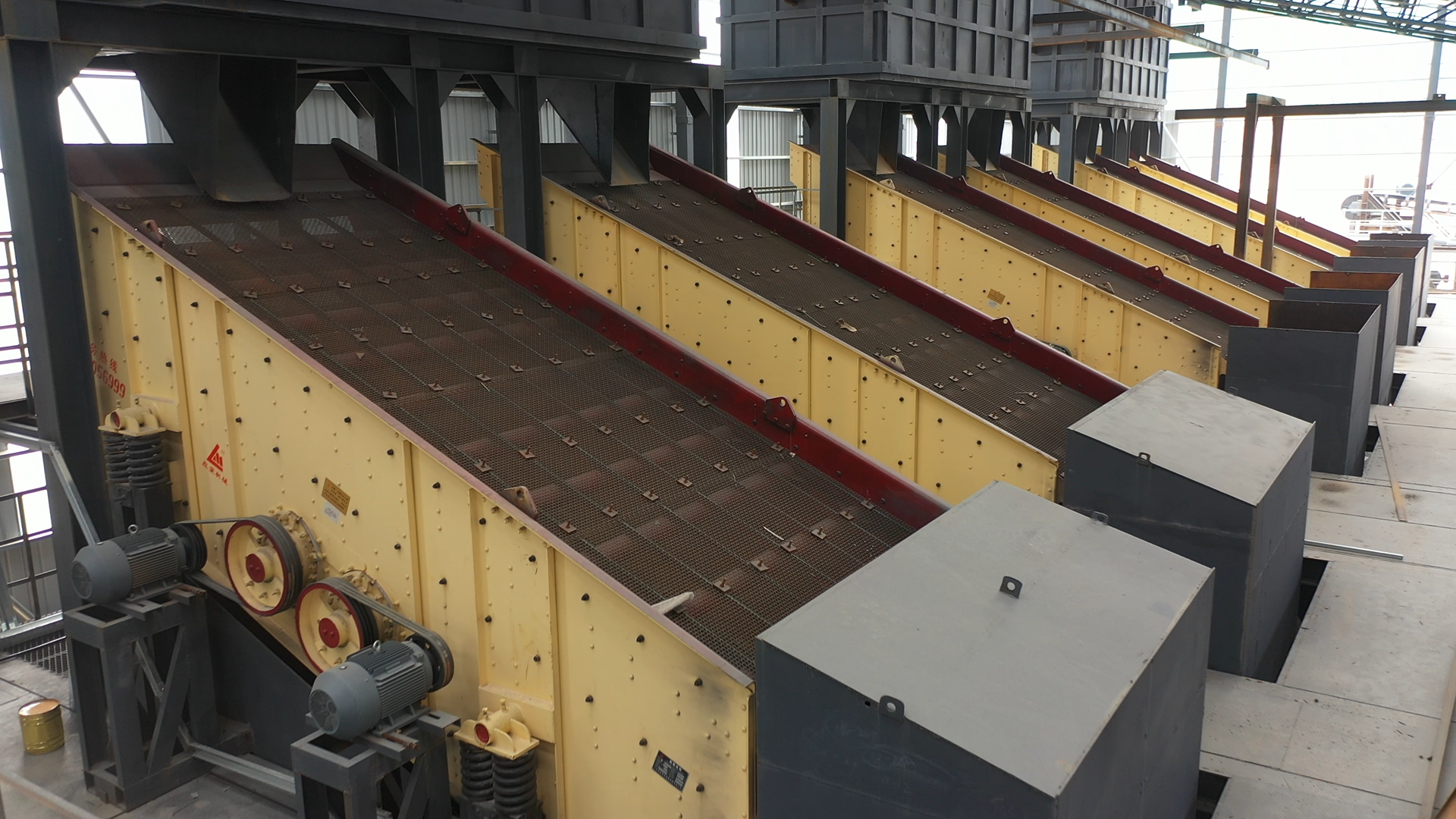
A screen receiving material after primary crushing faces a different task from a final product screen.
After primary crushing, large lumps, impact at the feed box and abrasive material may dominate the design. At the final screening stage, tighter product tolerances and difficult particle sizes can become more important.
Before choosing an aggregate vibrating screen, establish:
- Maximum feed size and complete particle size distribution
- Average and peak feed rates
- Bulk density and abrasiveness
- Moisture and clay content
- Required product sizes and acceptable misplaced material
- Daily operating hours
- Feed drop height and available installation space
In a closed circuit, size the screen for the total feed it actually receives, including material that comes back through the circuit. Record the plant’s fresh feed rate and the target output of each finished size separately.
Why Feed Grading Changes Vibrating Screen Capacity
Two feeds at the same tonnage can require different screening areas. The difference often comes down to how much of the feed is close to the aperture size.
Particles much smaller than the opening generally pass more readily. Particles just below the opening size need to reach the screen surface and line up with an aperture before they can pass. A feed with a high proportion of these near-size particles can therefore require more screening area to achieve the same separation.
Use the full feed grading to size the screen. The maximum feed size helps define what the machine must handle, while the grading shows how demanding the separation will be.
Control Bed Depth and Feed Distribution
As material moves along the deck, smaller particles work their way down through the bed toward the screen surface. If the bed is still too deep near the discharge end, some undersize can leave with the oversize before it has a chance to pass through.
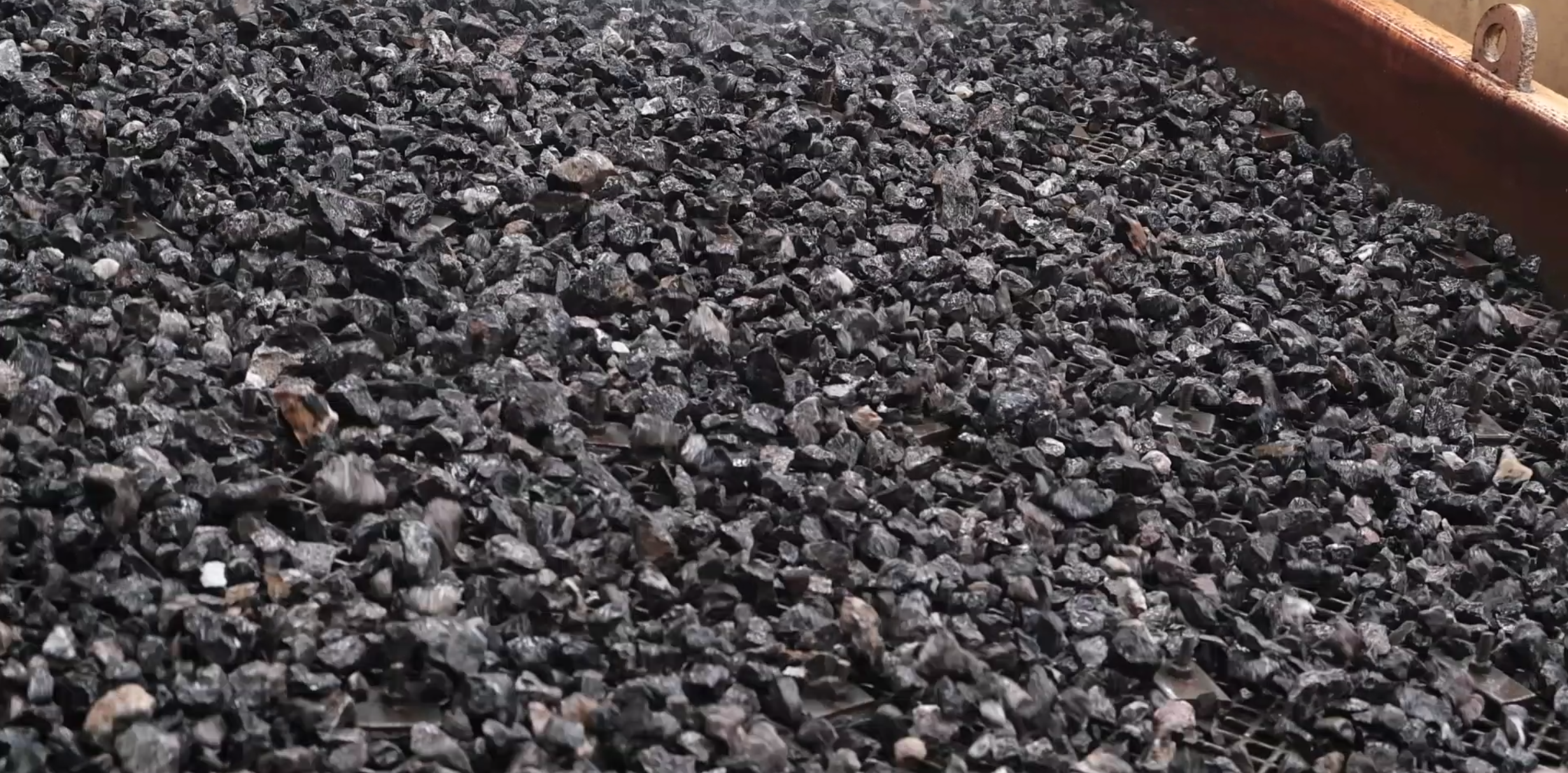
Check how the material is distributed across the deck. A feed chute that sends most of the material to one side can overload that side and leave part of the screen underused. If the bed is uneven across the width, review the chute and feed box first. If it is too deep across most of the deck, review the actual feed rate and screen sizing.
Match Screen Media to the Material
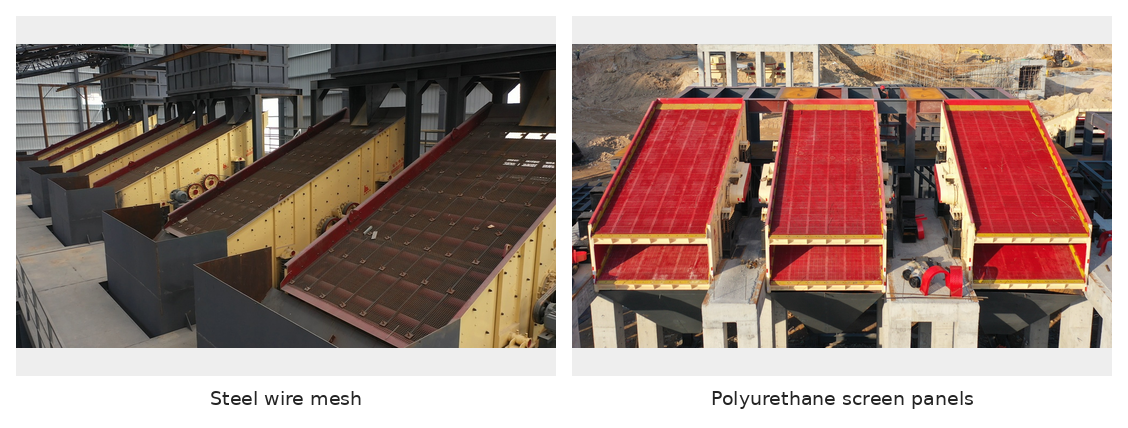
Screen media selection affects effective open area, wear life, blockage and maintenance time.
| Screen media | Potential advantages | Selection considerations |
| Woven wire | Often provides high open area and flexible aperture choices | Wire diameter, abrasion and feed impact affect service life |
| Rubber | Can suit demanding impact and wear conditions | Panel design and available open area must match the separation duty |
| Polyurethane | Can provide good wear resistance in suitable applications | Aperture geometry, moisture and material behaviour require assessment |
| Self-cleaning media | May help reduce some forms of blinding or pegging | Suitability depends on feed characteristics and product tolerances |
There is no single screen medium that performs best in every application.
Aperture shape also matters. Slotted openings can change both capacity and the passage of elongated particles. The final choice should therefore reflect the required product grading and particle shape, as well as maintenance needs.
Address Moisture and Clay Before Increasing Vibration
Wet fines can adhere to coarse particles and cover the screening surface. Clay may further reduce the effective open area.
Two blockage mechanisms deserve separate attention:
Blinding occurs when material coats or covers openings, restricting passage.
Pegging occurs when particles become lodged in the openings.
The appropriate response depends on the cause. Options may include different screen media, improved feed preparation, more stable feeding or a suitable washing stage.
Increasing vibration is not a universal remedy. Stroke, speed and deck inclination should remain within the equipment manufacturer’s operating limits.
Where wet screening is considered, the plant must also accommodate water supply, drainage, dewatering and water treatment.
Check Every Deck in a Multi-Deck Vibrating Screen
On an inclined vibrating screen, deck slope and vibration work together to move material toward the discharge end. As the material travels along the deck, smaller particles can pass through the openings. In a multi-deck configuration, the material passing through one deck becomes the feed for the deck below.
A multi-deck vibrating screen can separate one feed into several size fractions. However, each deck performs a different duty.
The top deck receives the full feed. Lower decks handle less total material, but they may receive a more difficult grading. Material also reaches lower decks progressively along the machine, so the full deck length is not equally available to every particle.
Each separation should therefore be checked individually.
Confirm the required output of every product, whether all fractions must be produced simultaneously, and how the discharge chutes, conveyors and stockpiles will be arranged. Extra decks are useful when they serve a clear production requirement.
At Leimeng’s aggregate plant project in Ghana, a YKJ circular-motion vibrating screen works alongside a PE jaw crusher and an S series cone crusher. When sizing a screen for a similar line, use the crusher discharge grading and the target tonnage for each finished size to determine the required deck area and number of decks.
How Screening Affects Crusher Operating Cost
In a closed crushing circuit, oversize returns to the crusher. When a screen fails to remove material already below the target size, some of that material returns as well.
This unnecessary recirculation can increase conveyor loading, crusher duty, wear and energy consumption. It may also generate additional fines.
Screening performance should therefore be assessed across the circuit. A screen with a lower purchase price may cost more to operate if poor separation restricts saleable output.
When the return load rises, check feed grading, screen condition, blocked apertures and feed distribution before assuming that the crusher needs adjustment.
Verify Performance with Product Samples
A moving material bed does not prove that a screen is separating accurately.
Take representative samples from the feed and every discharge stream under stable operating conditions. Sieve analysis can then identify undersize in the oversize stream and oversize contamination in finished products.
Record the operating conditions alongside the samples:
| Check | What it helps establish |
| Actual feed rate and grading | Whether the test represents the intended duty |
| Moisture and clay condition | Whether material changes explain performance differences |
| Product grading | Whether each stockpile meets the required specification |
| Aperture wear and blockage | Whether the screening surface remains effective |
| Feed distribution and deck loading | Whether the available area is being used properly |
| Return load and cleaning downtime | How screening affects overall plant output |
Before the test, agree on the screen feed rate, the grading limits for each finished product and the maximum percentage of undersize allowed in the return stream. If the contract specifies a screening efficiency target, agree on the sampling method and how efficiency will be calculated.
Leimeng Aggregate Screening Solutions
Leimeng Group supplies vibrating screens, including YKJ series equipment, for aggregate and mining applications. Screening equipment can be matched with crushers, feeders, conveyors and washing systems according to the plant’s process requirements.
Planning a new aggregate plant or upgrading an existing screen? Send Leimeng your material type, feed grading, average and peak screen feed rates, moisture and clay conditions, and the target output for each finished size. If you are upgrading an existing line, include any available return-belt sampling results so we can review where usable material is being lost to recirculation.
FAQ
Can one vibrating screen provide high capacity and accurate sizing?
Yes, provided that the screen area, motion, media and feeding arrangement are matched to the material and required separation. Structural strength alone does not establish screening accuracy.
Why does vibrating screen capacity fall when the material becomes wet?
Moisture can cause fines to stick to larger particles and obstruct openings. Clay can make this more severe. The effect depends on the material, grading and aperture size.
Does a larger screen always perform better?
No. A larger screen may help an overloaded application, but uneven feeding, unsuitable media or poor material preparation can remain unresolved. The screen dimensions must suit the duty.
How can screening efficiency reduce recirculating load?
Removing correctly sized material before it returns to the crusher reduces unnecessary recirculation. The improvement should be verified through product sampling and circuit measurements.