
LTH150-4 Mobile Crushing Plant for Aggregate Production | Leimeng
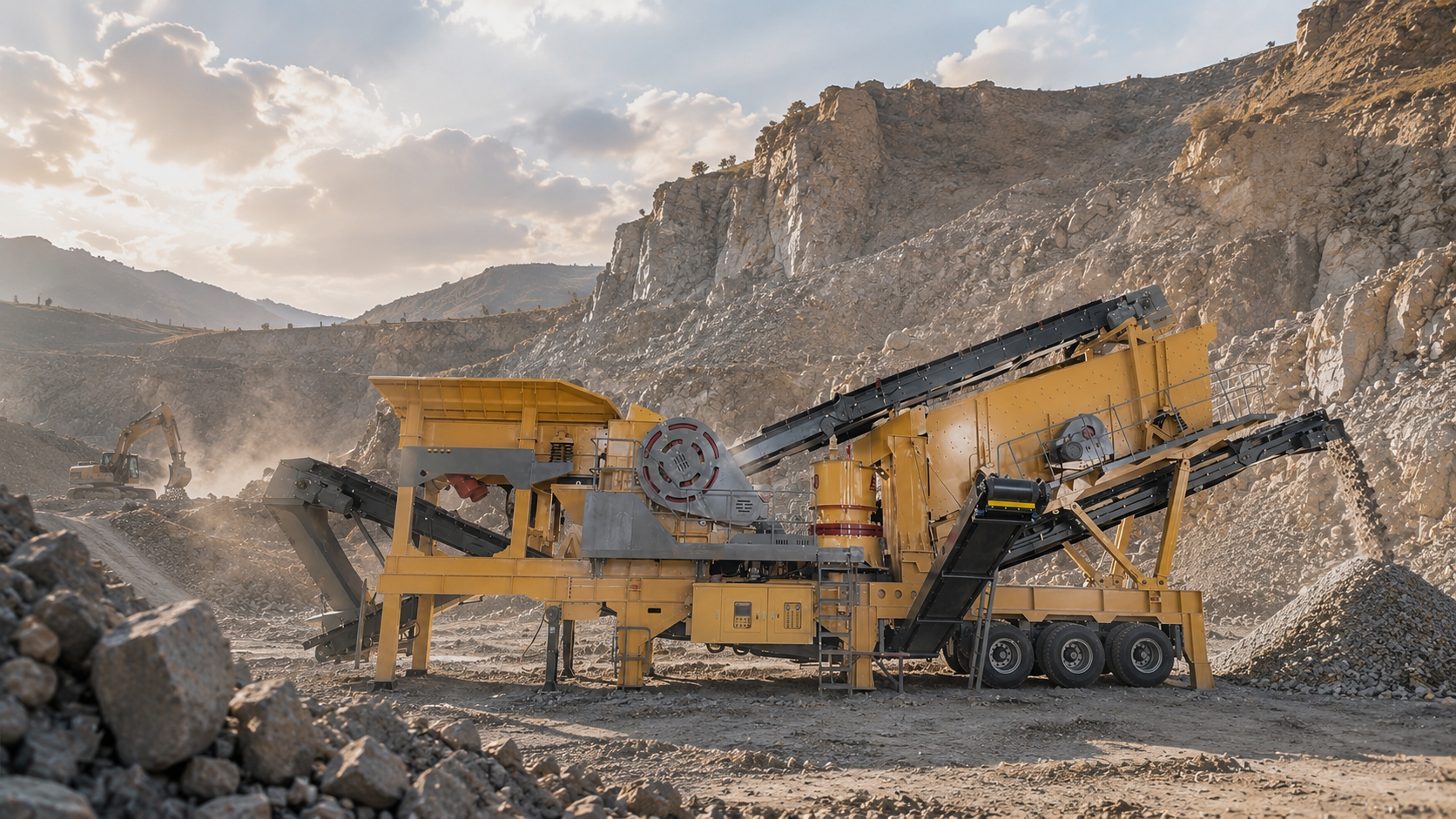
Why Four-in-One Mobile Crushing Plants Are Becoming the Future of Aggregate Production
Across the global aggregate and mining industry, project owners are under increasing pressure to reduce investment costs, shorten construction schedules, and improve production flexibility.
Traditional stationary crushing plants often require extensive civil works, long installation periods, and high relocation expenses. As a result, mobile crushing and screening equipment has become an increasingly attractive alternative for quarry operators, mining contractors, and infrastructure projects.
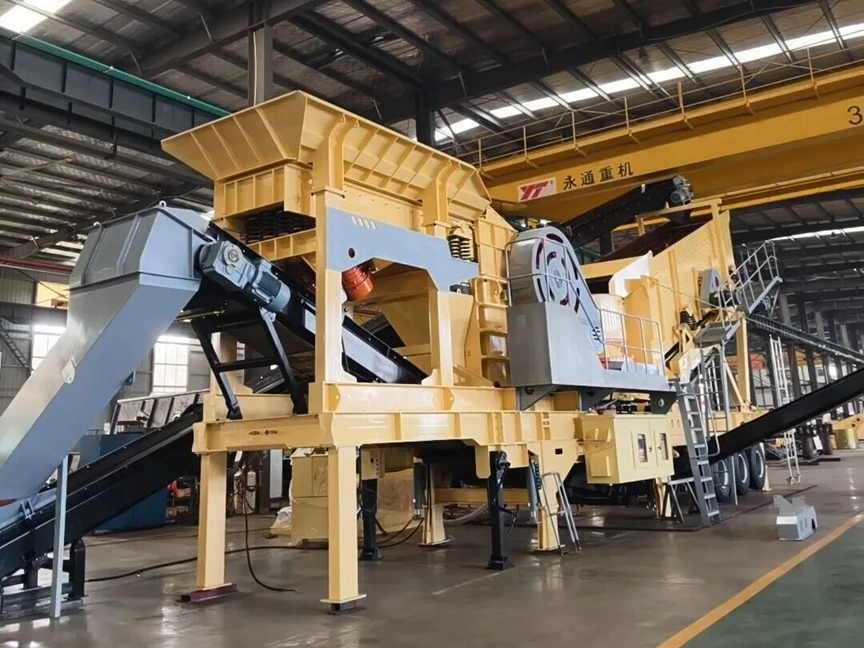
Among these solutions, the Leimeng LTH150-4 Four-in-One Mobile Crushing Plant combines feeding, primary crushing, secondary crushing, and screening into a single mobile platform, helping operators simplify production while maintaining high output efficiency.
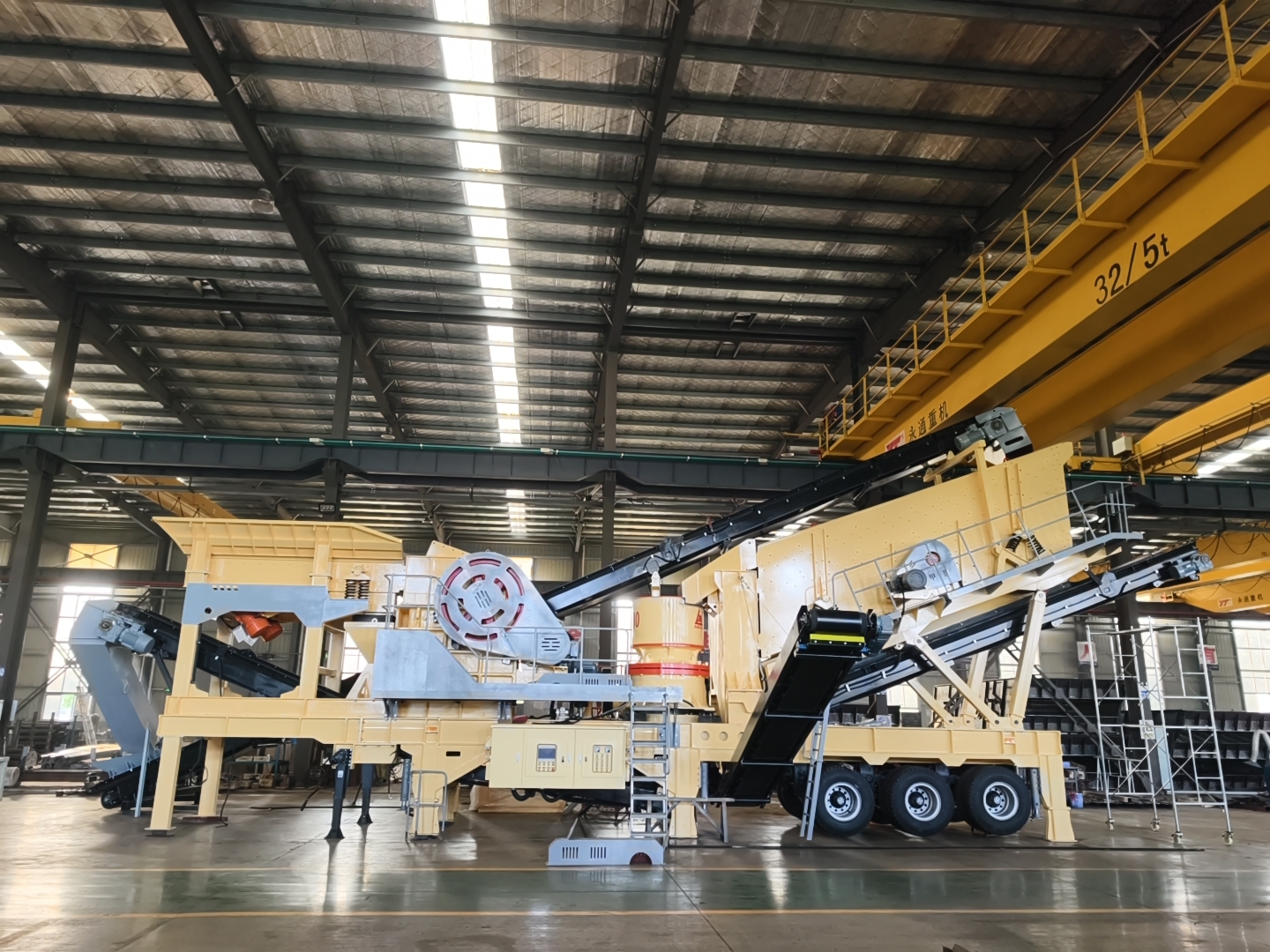
One Mobile Plant for the Entire Crushing and Screening Process
The LTH150-4 adopts a highly integrated modular design. Instead of deploying multiple standalone machines, operators can complete the entire production process using a single mobile unit.
The process includes:
Material feeding
Primary crushing
Secondary crushing
Screening and classification
Finished product discharge
This integrated configuration significantly reduces installation time and simplifies site management.
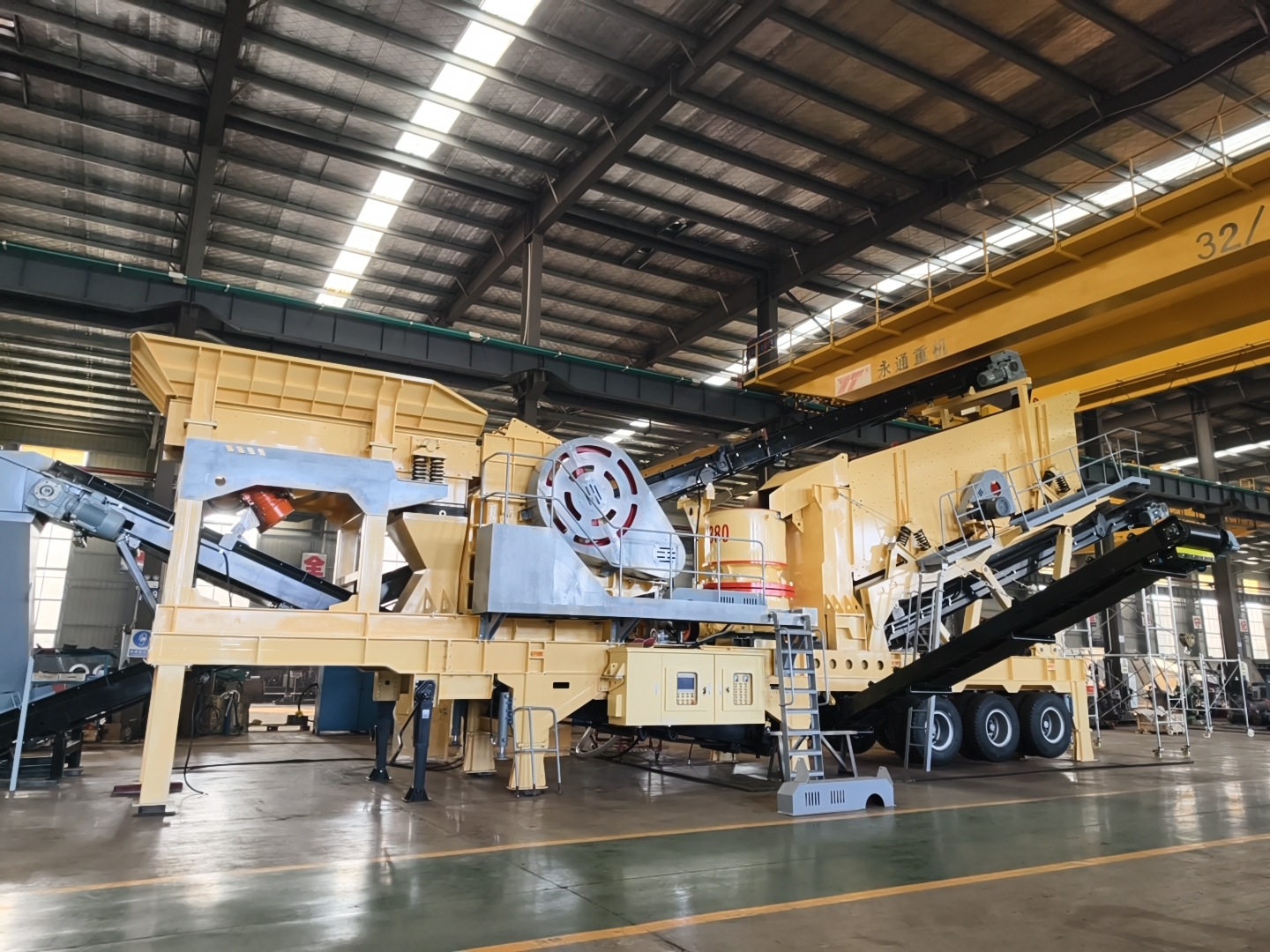
Key Equipment Inside the LTH150-4 Mobile Crushing Plant
The LTH150-4 combines several proven crushing and screening components into one production platform.
Key equipment includes:
GZD9638 Vibrating Feeder
PE600×900 Jaw Crusher
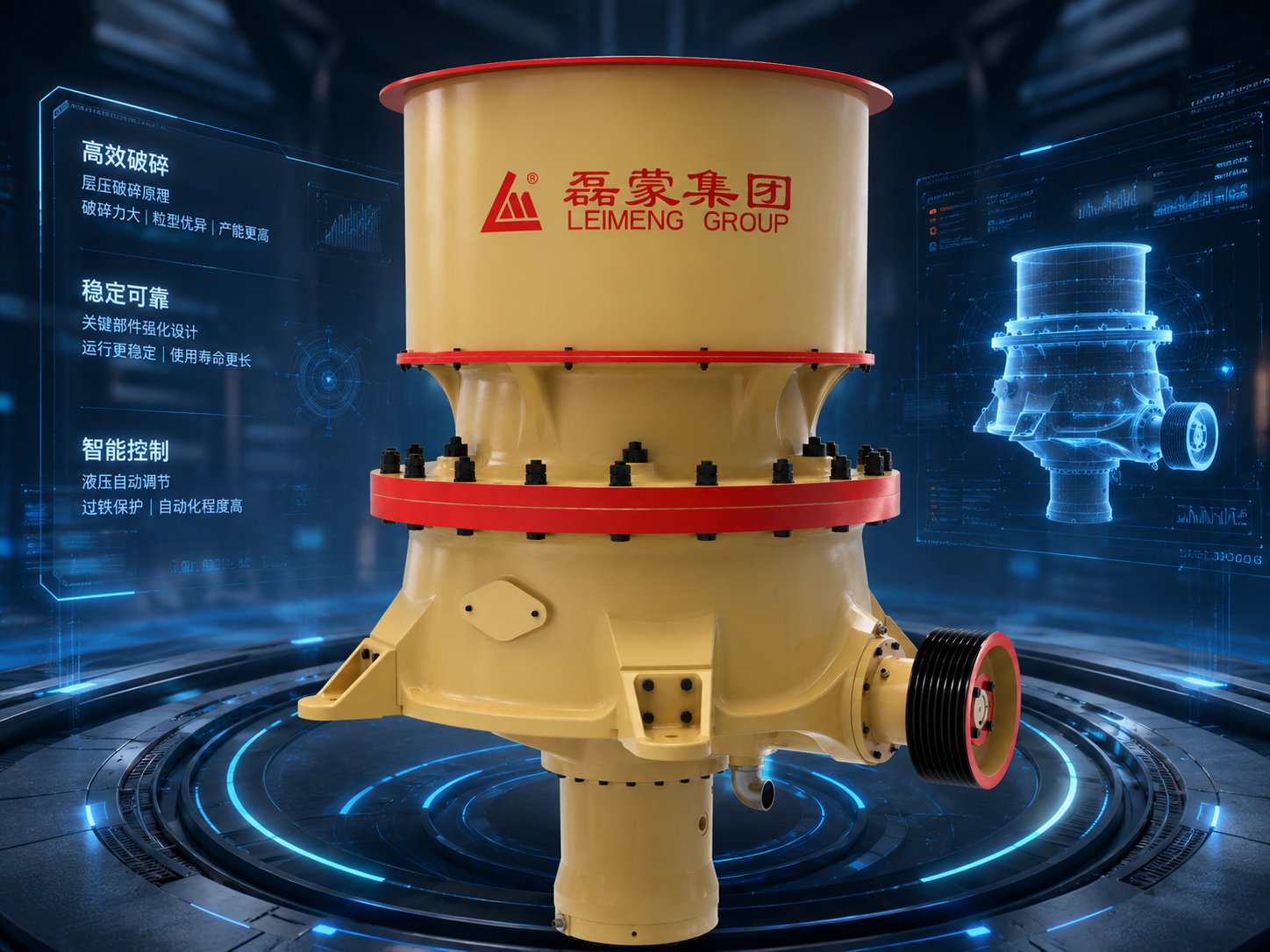
DH380 Single-Cylinder Hydraulic Cone Crusher
3YKJ1560 Vibrating Screen
Intelligent Electrical Control System
Wheel-Mounted Mobile Chassis
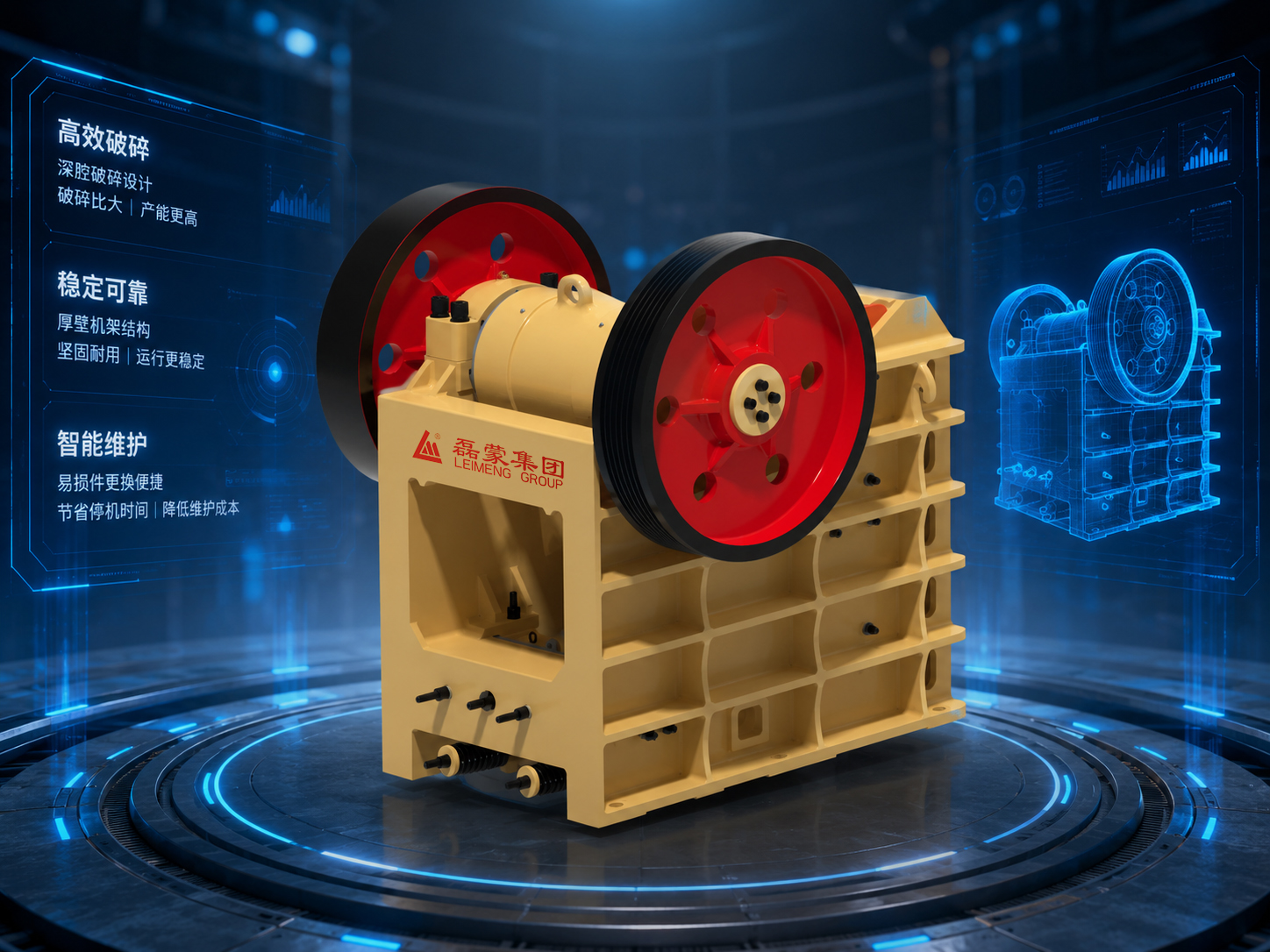
PE600×900 Jaw Crusher for Reliable Primary Crushing
As the first-stage crusher, the PE600×900 jaw crusher is designed to process large feed materials efficiently while maintaining stable performance.
It is particularly suitable for:
Granite
Basalt
River stone
Hard rock mining applications
The crusher provides consistent feed material for downstream cone crushing operations.
DH380 Cone Crusher Improves Aggregate Quality
The DH380 single-cylinder hydraulic cone crusher is responsible for secondary crushing and product shaping.
Its advantages include:
Lamination crushing technology
Excellent particle shape
Hydraulic overload protection
Automatic tramp iron release
Stable production performance
These features help improve premium aggregate production rates in hard-rock applications.
Designed for Flexible Mining and Aggregate Projects
The LTH150-4 mobile crushing plant is designed for capacities ranging from approximately 130 to 170 tons per hour.
It is widely used in:
Aggregate production plants
Granite crushing projects
Basalt processing operations
Metal mining applications
Construction waste recycling
Highway infrastructure projects
Water conservancy projects
Why More Operators Are Choosing Mobile Crushing Solutions
Compared with traditional stationary plants, mobile crushing equipment offers several significant advantages:
Lower Investment Cost
Faster Installation
Greater Mobility
Reduced Operating Costs
Smarter Control Systems
These benefits are particularly valuable for contractors and overseas mining investors seeking faster project returns.
Conclusion
As aggregate producers continue to seek greater efficiency and flexibility, integrated mobile crushing and screening equipment is becoming a key part of modern production strategies.
The Leimeng LTH150-4 Four-in-One Mobile Crushing Plant combines primary crushing, secondary crushing, screening, and intelligent control into a single platform, helping operators reduce investment costs while improving production performance.
For quarry operators, aggregate producers, and infrastructure contractors seeking a reliable mobile crushing solution, the LTH150-4 offers a practical balance of productivity, flexibility, and operational efficiency.