
Ghana Aggregate Production Line: 12-Year Case | Leimeng
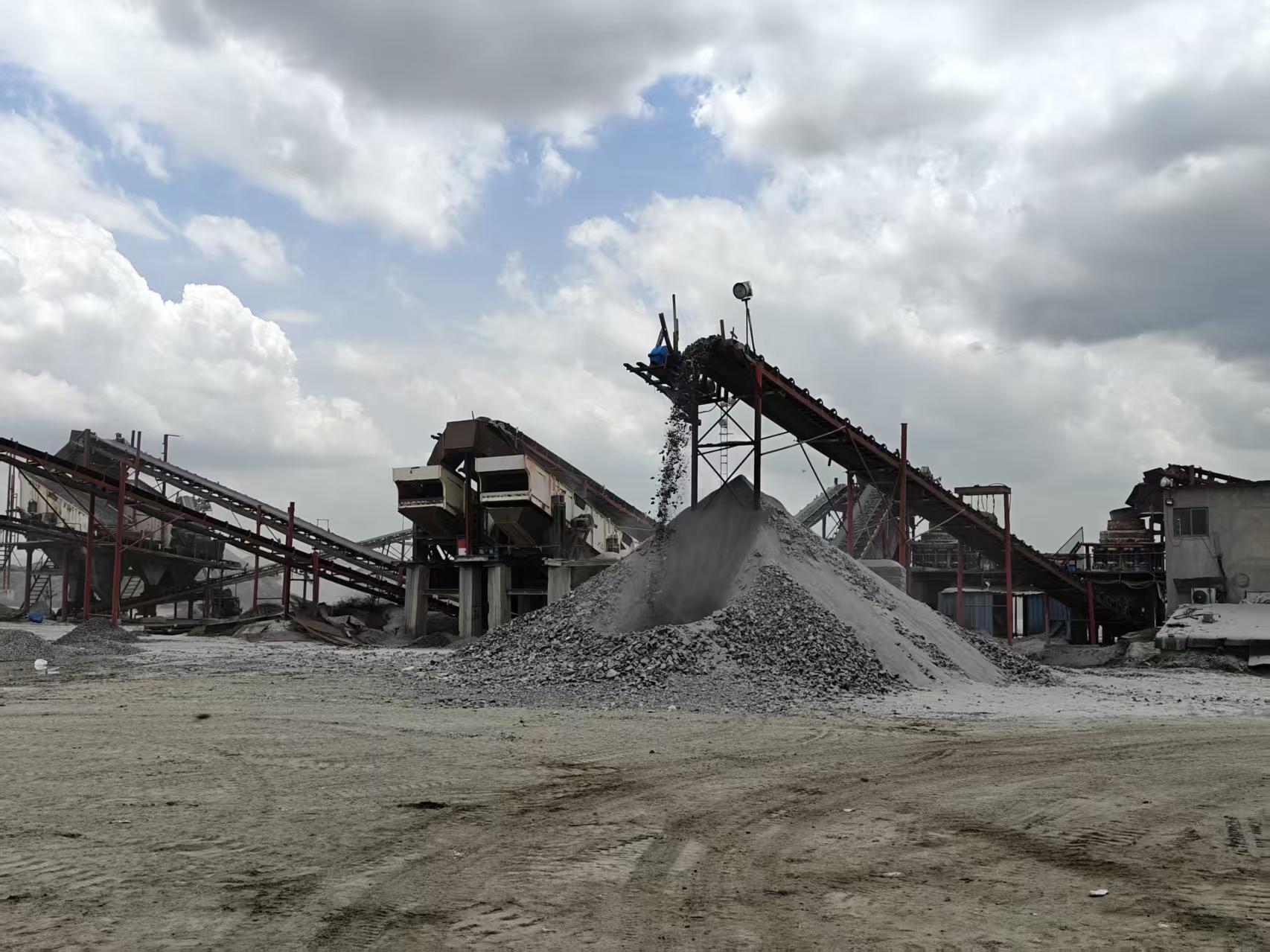
Ghana Aggregate Production Line: How It Stayed Stable for 12 Years
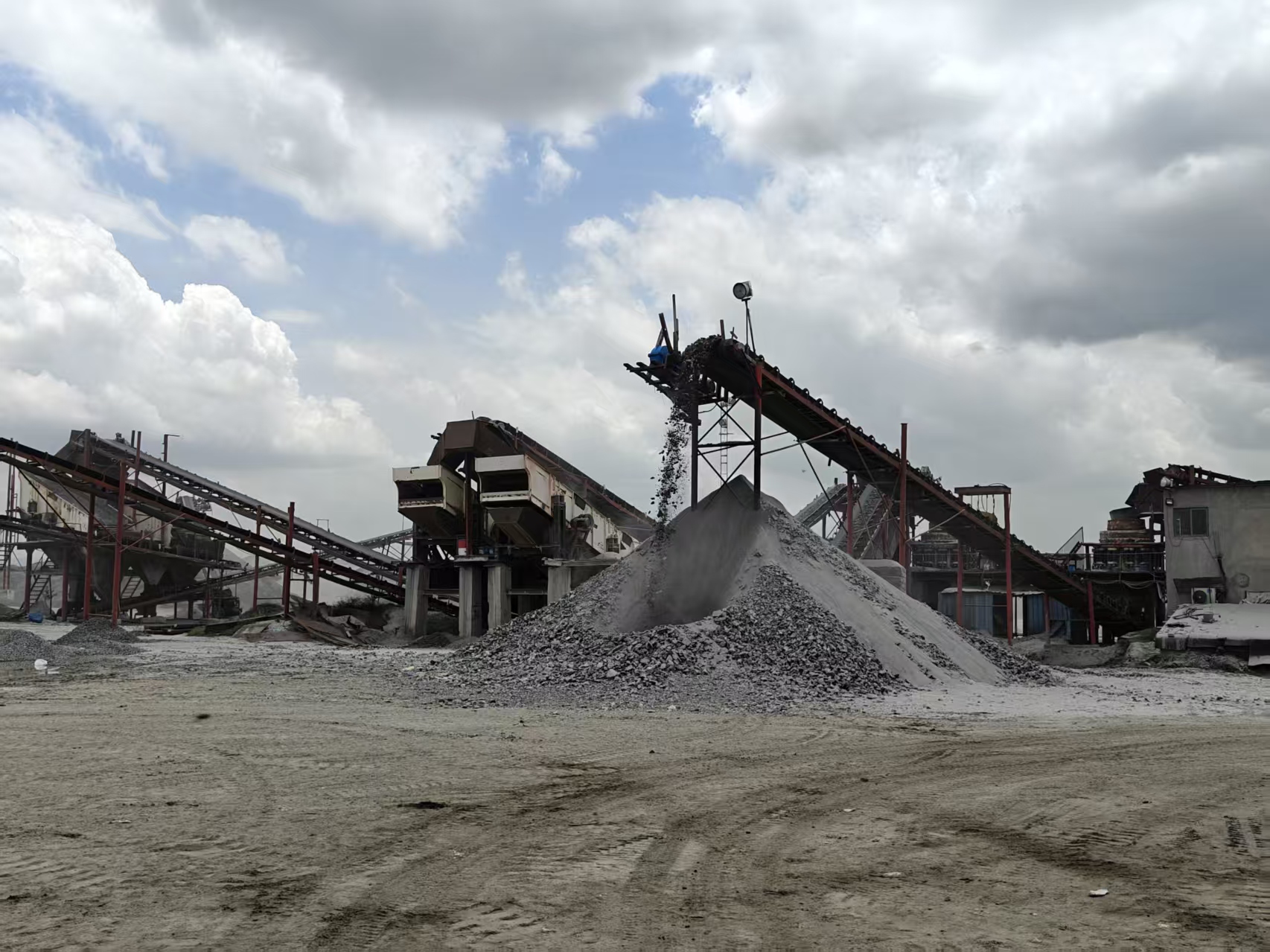
A stable aggregate production line is not built by one crusher alone. It depends on the right match between raw material, crushing stages, screening efficiency, wear control and long-term service.
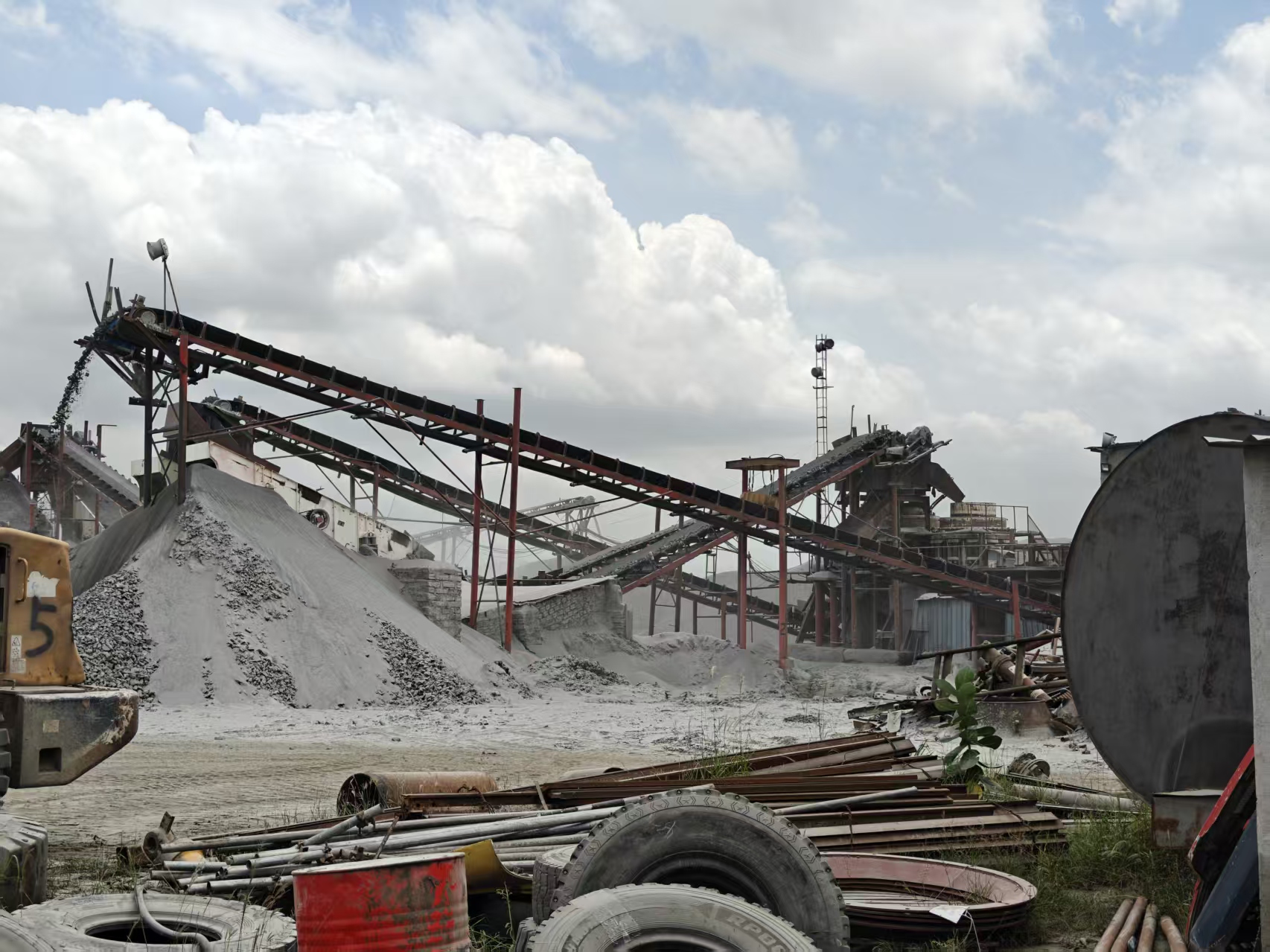
In Ghana, West Africa, one aggregate production line supplied by Leimeng Group has been operating since 2014. After 12 years of continuous production, the line remains a strong example of how a well-designed crushing and screening system can support local roads, bridges, buildings and infrastructure projects.
The project uses a PE jaw crusher, an S series cone crusher, a YKJ vibrating screen and an optimized process layout. More importantly, Leimeng did not treat the project as a simple equipment delivery. From process design and manufacturing to installation, operator training and maintenance guidance, the project was handled as a full lifecycle production solution.
Why Aggregate Producers Need More Than a Crusher
Many quarry and aggregate producers face similar problems after a production line starts running:
- unstable equipment performance
- unexpected shutdowns
- high energy consumption
- fast wear of core parts
- poor particle shape
- inconsistent finished aggregate quality
- slow technical support
- equipment that does not match local stone conditions
These problems often come from one root cause: the crushing and screening system is not designed as a complete process.
For example, if the primary crusher cannot handle the feed size properly, the secondary crusher will face unstable load. If the cone crusher discharge does not match the screen opening, the circulating load may increase. If the vibrating screen is undersized, the whole plant may lose capacity even when the crushers are powerful enough.
That is why a reliable aggregate production line should start with the material and the production target, not only with the machine model.
Project Overview: Aggregate Production Line in Ghana
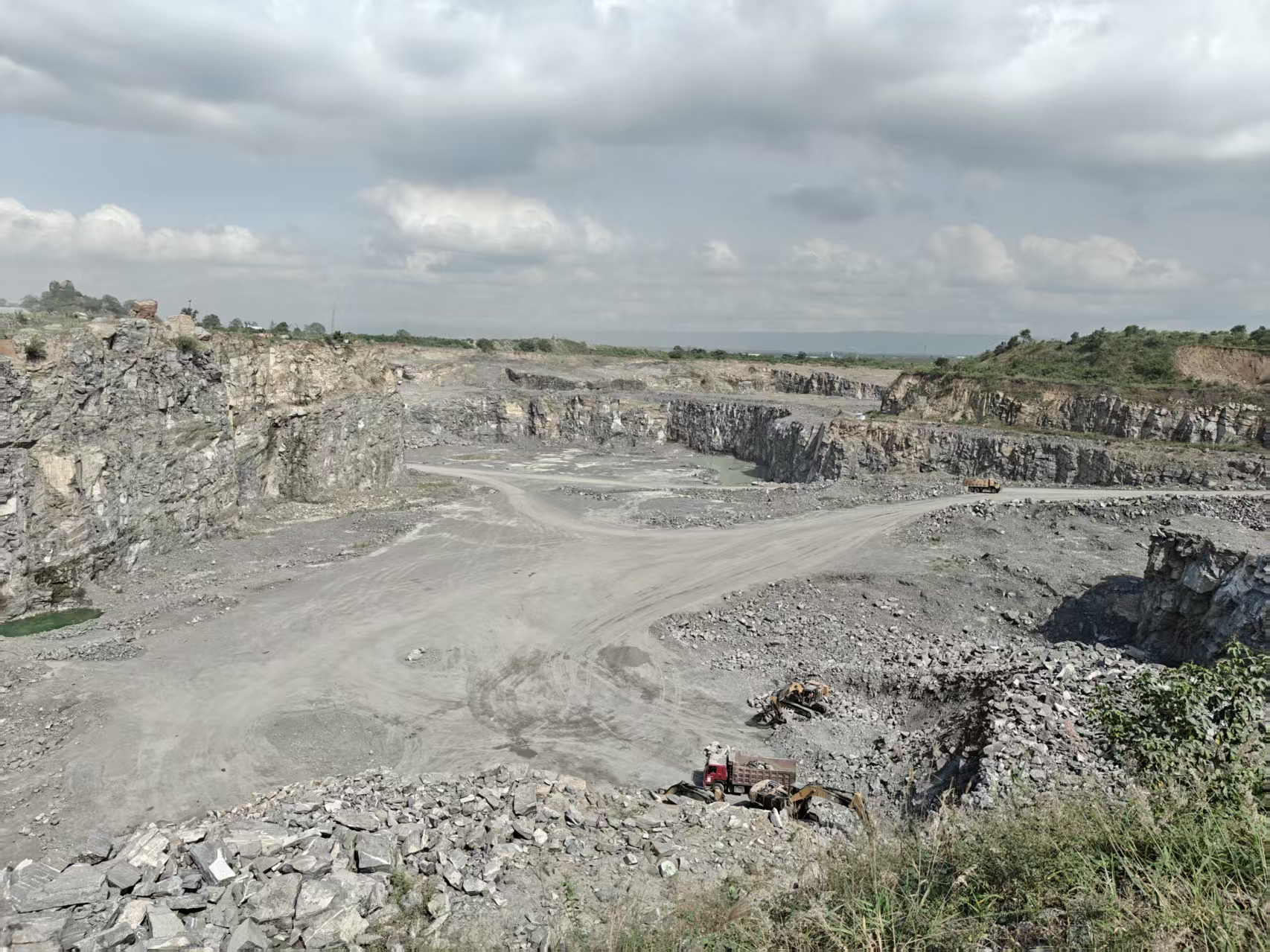
The Ghana project was designed to produce high-quality sand and gravel aggregates for local construction demand. Since installation and commissioning in 2014, the line has provided stable production for 12 years.
The main equipment configuration includes:
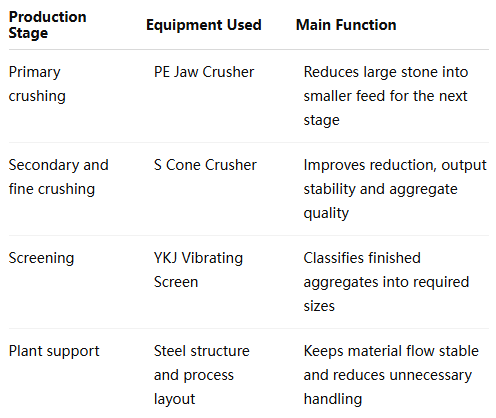
This setup follows a clear process:
Feeding → Primary Crushing → Secondary & Fine Crushing → Screening → Finished Aggregates
Instead of using a random equipment combination, the line was configured according to local stone properties, production needs and site conditions.
How the Crushing and Screening Process Works
Primary Crushing: Preparing Stable Feed
The PE jaw crusher works as the first crushing stage. Its role is to reduce large raw stone into a size that can be handled by the secondary crusher.
A good primary crushing stage is important because it affects the whole plant. If the feed size after primary crushing is unstable, the cone crusher may face load fluctuation, higher wear and lower efficiency.
In this Ghana line, the jaw crusher helps provide a steady feed foundation for the next stage.
Secondary and Fine Crushing: Improving Output Quality
The S series cone crusher is used for secondary and fine crushing. Cone crushers are commonly selected when stable operation, controlled discharge size and better wear performance are required.
In an aggregate production line, this stage affects:
- final aggregate size
- particle shape
- crusher load stability
- wear part service life
- screening efficiency
For long-term quarry operation, the goal is not only high output on the first day. The real value is stable output over years of production.
Screening: Controlling Final Product Size
The YKJ vibrating screen separates crushed material into different aggregate sizes. Screening is not a small supporting step. It controls the final product specification and also affects the load of the whole crushing circuit.
If screening efficiency is low, qualified materials may return to the crusher unnecessarily. This increases circulating load, energy use and wear. A properly matched vibrating screen helps keep the plant balanced.
In the Ghana project, screening plays a key role in producing aggregates suitable for roads, bridges and building construction.
Why the Line Has Stayed Stable for 12 Years
The long-term performance of this aggregate production line comes from several practical factors.
1. Process Design Based on Local Material
Different stones behave differently in crushing. Hardness, abrasiveness, feed size and moisture content all affect equipment selection. A line that works well in one country may not perform the same way in another site.
For the Ghana project, Leimeng configured the crushing and screening process according to local working conditions instead of using a one-size-fits-all layout.
2. Balanced Crusher and Screen Matching
A crushing plant should be treated as one system. The jaw crusher, cone crusher and vibrating screen need to match each other in capacity, discharge size and material flow.
This reduces bottlenecks and helps the plant maintain stable production.
3. Durable Equipment for Long-Term Operation
Aggregate plants often work under heavy-duty conditions. The structure, crushing chamber, wear parts and screening system must be able to handle continuous operation.
The Ghana line has maintained reliable performance even after years of production, showing the importance of durable equipment and practical plant design.
4. Lower Wear and Easier Maintenance
Wear parts are not only replacement parts. Jaw plates, cone liners and screen media directly affect output, downtime and operating cost per ton.
A stable line should make inspection and maintenance easier, reduce unplanned shutdowns and help the client plan spare parts in advance.
5. Full Lifecycle Service
Leimeng provided support across the whole project cycle, including:
process scheme design
equipment manufacturing
logistics coordination
on-site installation
commissioning support
operator training
long-term maintenance guidance
This full-process service reduces project risk and helps the client keep production running more smoothly.
Lessons for Overseas Aggregate Production Line Projects
For quarry owners, contractors and infrastructure project teams outside China, the Ghana case offers a practical lesson: long-term plant performance starts before the equipment is delivered.
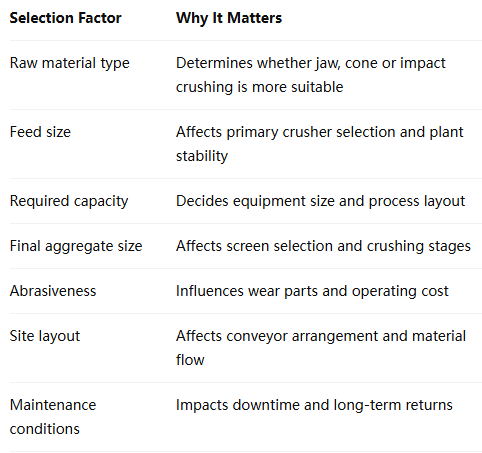
A reliable aggregate production line should not be selected only by crusher model or purchase price. It should be designed around the raw material, required capacity, final aggregate sizes, site layout and local maintenance conditions.
Before choosing a crushing and screening line, project owners should review the following factors:
The Ghana aggregate production line shows that overseas projects need more than equipment supply. A well-matched process, durable machines, proper operator training and long-term service support are all important for stable output.
For clients planning a new quarry or aggregate production line, the key question is not simply “Which crusher should I buy?” but “Which crushing and screening process fits my material, capacity and final product requirements?”
Leimeng’s Aggregate Production Line Solutions
Leimeng Group provides crushing, screening, sand-making and complete aggregate production line solutions for quarry, mining and infrastructure projects.
With equipment operating in more than 120 countries and regions, four production bases and experience in overseas project delivery, Leimeng supports clients from early process design to long-term plant operation.
For each project, Leimeng focuses on practical questions:
- What material will be processed?
- What capacity does the client need?
- What final aggregate sizes are required?
- Is the site suitable for a stationary or mobile solution?
- How can the line reduce wear, downtime and long-term operating cost?
This approach helps clients build crushing and screening lines that are not only productive, but also stable, maintainable and suitable for local working conditions.
Conclusion
The Ghana aggregate production line has operated steadily since 2014, proving that long-term performance depends on more than equipment supply.
A reliable aggregate line requires proper material analysis, balanced crushing and screening design, durable machines, planned maintenance and responsive technical support.
For quarry and infrastructure clients who need stable aggregate production, Leimeng Group can provide complete crushing and screening solutions based on material, capacity, site layout and final product requirements.
FAQ
Q1: What equipment is used in the Ghana aggregate production line?
The line uses a PE jaw crusher for primary crushing, an S series cone crusher for secondary and fine crushing, and a YKJ vibrating screen for aggregate classification.
Q2: Why is crusher and screen matching important?
Crusher and screen matching affects material flow, final product size, circulating load and plant stability. If the screen cannot match crusher output, the whole line may lose efficiency.
Q3: What makes an aggregate production line stable over many years?
Stable long-term operation depends on suitable process design, durable equipment, proper wear part management, operator training and ongoing maintenance support.
Q4: Can Leimeng provide complete aggregate production line solutions?
Yes. Leimeng provides crushing, screening, sand-making and complete aggregate production line solutions based on the client’s raw material, capacity, site layout and final aggregate requirements.
Q5: What information is needed to design an aggregate production line?
The key information includes raw material type, feed size, required capacity, final product sizes, moisture content, abrasiveness, site layout and expected working hours.