
Impact Crusher Upgrade for High-Output Limestone Lines | Leimeng
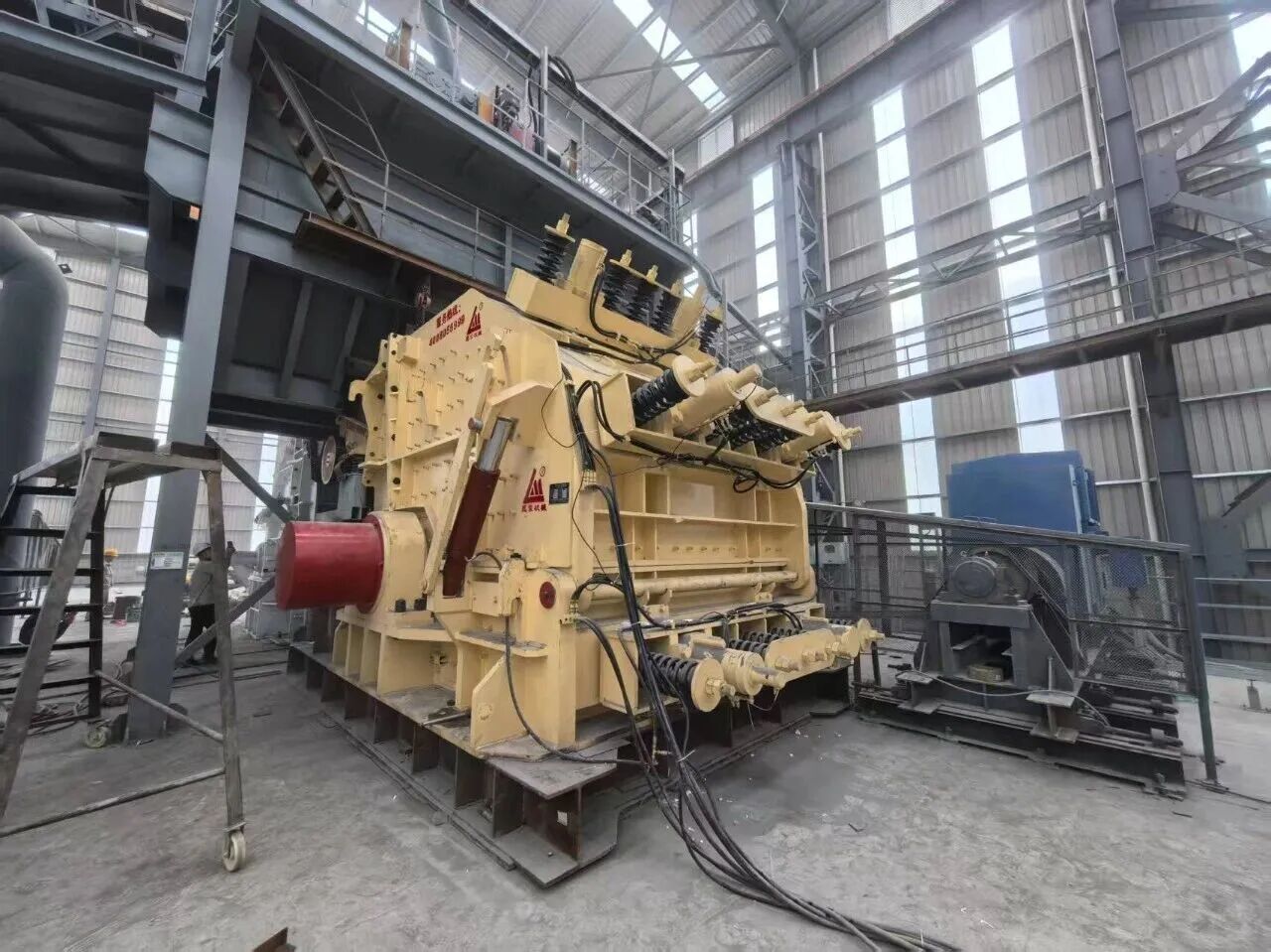
How PFG2030HF Helps Limestone Lines Lift Capacity
For aggregate producers, a capacity upgrade is not always about building a new crushing line. In many limestone and medium-soft rock projects, the real challenge is how to remove the bottleneck in the existing process without changing the whole plant layout.
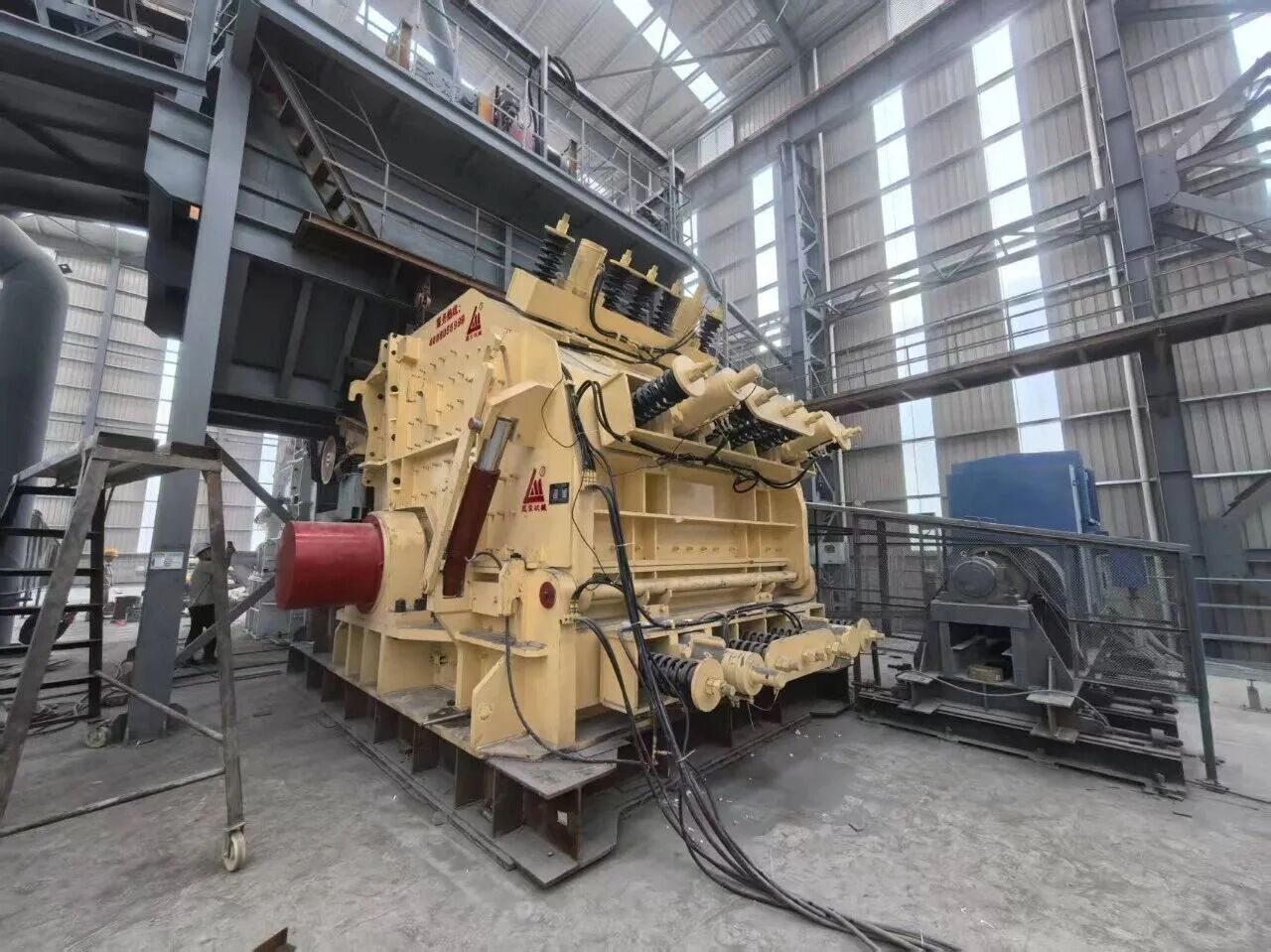
Leimeng Group developed the PFG2030HF large impact crusher for this type of upgrade demand. This model is designed for limestone and other medium-soft rock applications, with a processing capacity of 1,500–2,200 TPH and a modular heavy-duty structure suitable for line retrofit projects.
The conclusion is clear: for large limestone aggregate lines, a properly selected high-capacity impact crusher can improve output, product shape and energy performance while avoiding unnecessary reconstruction.
Why Limestone Line Upgrades Matter
Global demand for aggregates remains closely connected with infrastructure, housing, concrete and road construction. According to UNEP, about 50 billion tonnes of sand and gravel are used each year worldwide, making sand and gravel the world’s second most used resource after water.
At the same time, aggregate producers are under pressure to improve output without increasing land use, energy consumption or maintenance costs. In mature quarry sites, this often leads to one practical question: should the company build a new line, or upgrade the key crushing equipment in the existing line?
For medium-soft rock such as limestone, impact crushing is often an effective option because it can deliver a high reduction ratio and a more cubical final product. Instead of simply increasing the number of machines, a well-planned impact crusher upgrade can help improve the production balance of the whole line.
The Main Problem: Capacity Bottlenecks in Existing Lines
Many existing limestone aggregate lines were designed years ago. As market demand grows, the feeding system, secondary crushing stage, screening capacity and conveying system may no longer match the required output. In this situation, simply adding more equipment may not solve the problem.
A more practical approach is to identify the bottleneck first. If the main limitation is the impact crushing stage, replacing an older crusher with a larger, more efficient unit may raise the whole line’s capacity without rebuilding the entire plant.
This is where the PFG2030HF is positioned. It is designed to help large limestone and medium-soft rock lines upgrade from “enough to run” to “stable, high-output operation.”
What Makes the PFG2030HF Suitable for Line Retrofits?
The PFG2030HF uses a modular heavy-duty structure and three-cavity hydraulic adjustment. This matters because retrofit projects usually have stricter site limits than new projects. The equipment must fit the existing process as much as possible, reduce installation changes and shorten the shutdown period.
Compared with a full line reconstruction, a crusher-focused upgrade can be more practical when the feeding, screening and conveying systems still have room for adjustment. The key is not only the crusher capacity, but whether the crusher can be integrated into the whole production circuit.
For limestone lines with an annual output target of more than 5 million tons, the PFG2030HF can be considered as a suitable option for upgrading primary or secondary crushing of medium-soft rock.
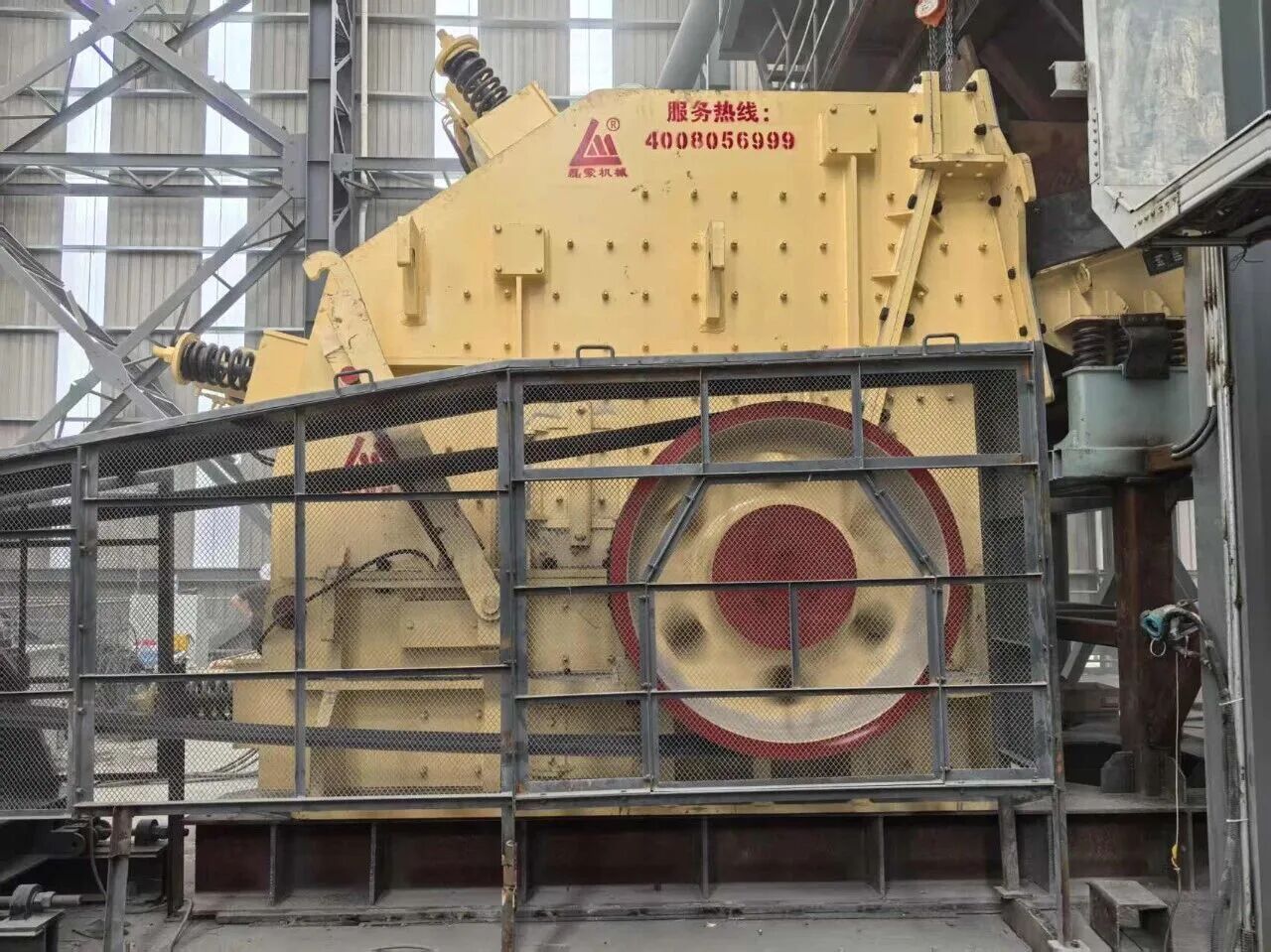
Key Performance Data from a Limestone Upgrade Project
In a limestone upgrade project in Jiangxi, China, the PFG2030HF reportedly ran continuously for 100 days. The project data also shows a power consumption of only 0.7 kWh per ton, about 50% lower than the old line.
For quarry operators, this type of data is more useful than general statements such as “high efficiency” or “low operating cost.” Power consumption per ton, stable running time and final aggregate quality are the figures that directly affect production cost.
The project content also reports that the finished aggregate had uniform particles, reasonable gradation and flake content below 10%. For limestone aggregate used in concrete and road base applications, particle shape can affect product value and downstream usability.
Why Impact Crushing Works Well for Medium-Soft Rock
Impact crushers reduce material by high-speed impact rather than compression. In suitable applications, especially low-abrasive materials such as limestone, this crushing method can help produce a more cubical product shape.
However, impact crushing is not the best answer for every rock type. For highly abrasive hard rock such as granite or basalt, compression crushing with cone crushers is often more economical over the long term.
This is why Leimeng does not recommend equipment by model name alone. Material hardness, abrasiveness, feed size, moisture content, required capacity and final product size should all be checked before choosing a crusher.
PFG2030HF in the Crushing Process
A high-output impact crusher should not be viewed as a single machine only. It must work together with the feeder, vibrating screen, belt conveyors and downstream stockpiling system.
In a typical limestone aggregate upgrade, the process may include:
Feeding → Impact Crushing → Screening → Recirculation → Finished Aggregate Stockpiling
If the crusher output increases but the screen capacity remains too small, the line may face high circulating load. If the conveyor capacity is not matched, material transfer becomes the next bottleneck. Therefore, a successful retrofit should review the whole circuit, not only the crusher.
Selection Factors Before Upgrading to a Large Impact Crusher
Before choosing a high-capacity impact crusher, the project team should check several key factors.
Selection Factor: Raw material
Why It Matters: Limestone and medium-soft low-abrasive rock are more suitable for impact crushing.
Selection Factor: Feed size
Why It Matters: The inlet and rotor design must match the existing feeding condition.
Selection Factor: Required capacity
Why It Matters: The crusher, screen and conveyor must be matched around the target TPH.
Selection Factor: Final product size
Why It Matters: Product size affects screen deck design and recirculation load.
Selection Factor: Product shape
Why It Matters: Impact crushing is often selected when cubical aggregate is required.
Selection Factor: Site layout
Why It Matters: Retrofit projects must consider foundation, steel structure and conveyor connection.
Selection Factor: Maintenance access
Why It Matters: Hydraulic opening and wear part access affect downtime and service cost.
Selection Factor: Power consumption
Why It Matters: kWh per ton is a direct indicator of operating cost.
This system-based selection logic is important. A large crusher can only deliver its real value when the whole line can receive, screen and transport the material efficiently.
Maintenance and Green Operation
In high-output aggregate production, maintenance design directly affects operating cost. The PFG2030HF uses hydraulic cover opening and quick blow bar replacement, which can reduce the time needed for inspection and wear part change.
The fully enclosed structure also helps improve dust control around the crusher. For modern aggregate plants, green operation is not only about meeting environmental requirements. It is also about keeping the site cleaner, reducing material spillage and improving working conditions.
A better maintenance design can also support sustainability. Fewer unplanned stops, easier wear part replacement and lower energy use all contribute to a more stable cost per ton.
When Should a Client Choose PFG2030HF?
The PFG2030HF is especially suitable for clients who face one or more of the following conditions:
- The existing limestone line cannot meet new capacity targets.
- The client wants to upgrade capacity without rebuilding the full plant.
- The material is medium-soft and low-abrasive.
- The project requires high throughput and good aggregate shape.
- The site needs a modular machine that can connect with the existing line.
- The client wants to reduce power consumption per ton.
- Maintenance downtime has become a production concern.
For hard and abrasive rock such as granite, basalt or river pebble, Leimeng would usually review whether cone crushing or a combined crushing process is more suitable.
Leimeng Impact Crusher Solutions for Aggregate Producers
Leimeng Group provides impact crushers, jaw crushers, cone crushers, vibrating screens, sand-making equipment, mobile crushing plants and complete aggregate production line solutions. For upgrade projects, the equipment recommendation should start with the client’s material and production target, not only the crusher model.
Based on raw material, feed size, required capacity, final aggregate size, site layout and maintenance expectations, Leimeng can help configure a practical crushing and screening solution for both new lines and retrofit projects.
For limestone aggregate producers who need higher output, better particle shape and lower long-term operating cost, the PFG2030HF provides a practical option for high-output line upgrades.
FAQ
Q1: What is an impact crusher upgrade?
An impact crusher upgrade means replacing or improving the impact crushing stage in an existing production line to increase capacity, improve aggregate shape or reduce operating cost.
Q2: Is the PFG2030HF suitable for limestone?
Yes. The PFG2030HF is designed for limestone and other medium-soft rock applications, especially where high output and good aggregate shape are required.
Q3: What capacity can the PFG2030HF reach?
The PFG2030HF has a processing capacity of 1,500–2,200 TPH. Actual output depends on material hardness, feed size, moisture content, process layout and operation conditions.
Q4: Can an impact crusher replace a cone crusher?
Not always. Impact crushers are more suitable for limestone and low-abrasive materials. For hard and abrasive rock such as granite or basalt, cone crushers are often more economical for long-term operation.
Q5: What information is needed before recommending a crusher?
The key information includes raw material, feed size, required capacity, final product size, moisture content, abrasiveness, site layout and maintenance expectations.