
Tracked Screening Plant: Inclined vs. Horizontal
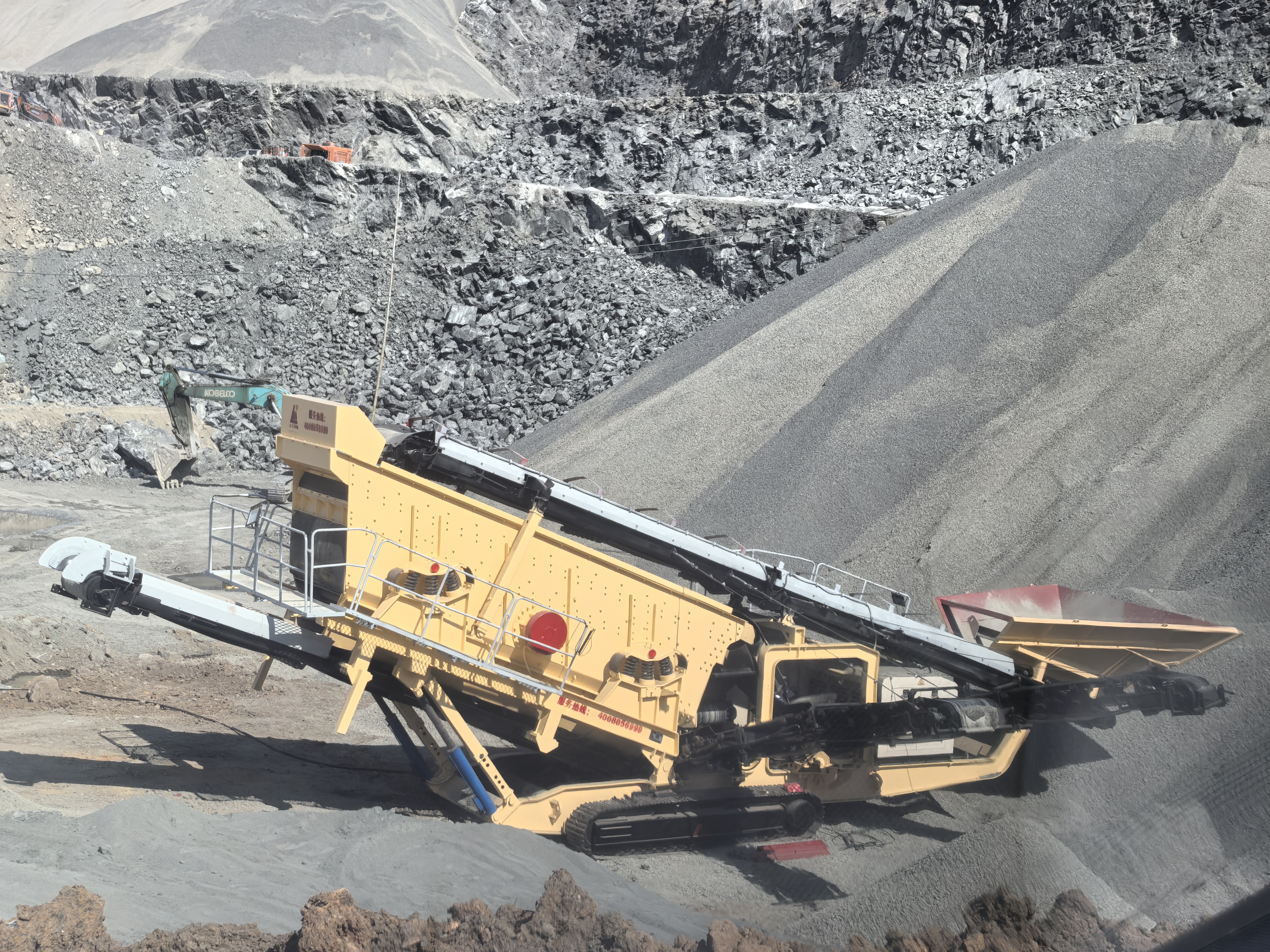
Tracked Screening Plant: Inclined or Horizontal?
Choosing a tracked screening plant starts with the material you need to separate and the products you need to sell.
For dry, free-flowing aggregates and routine sizing after crushing, an inclined screen is often a practical starting point. For demanding separations or sites with limited operating headroom, a horizontal screen is worth evaluating. Wet, sticky feed requires a closer look at clay content, screen media and material preparation before choosing either type.
The main difference is how material moves across the deck: inclined screens use gravity together with vibration, while horizontal screens rely more on vibration. The right choice is the configuration that delivers your required product grading at the planned feed rate.
Start with the Screening Duty
Before comparing machines, establish where the screen will work in the process.
Before crushing, screening can remove material that already meets a suitable size requirement, reducing unnecessary crusher loading. However, feed containing large rocks requires equipment designed for the impact and loading involved. A standard sizing screen should not be treated as a heavy-duty scalper simply because its deck is inclined.
After crushing, the screen separates material into product fractions. In a closed circuit, oversize returns to the crusher for another pass, creating a recirculating load. If undersize material is misplaced into this return stream, it adds unnecessary crusher loading and can reduce capacity for fresh feed.
At the final classification stage, the key measure is the quantity of material that meets the specified grading. High feed throughput has limited value if finished products contain too much oversize or misplaced fines.
Defining the duty first makes equipment comparisons more useful.
When to Consider a Tracked Inclined Screening Plant
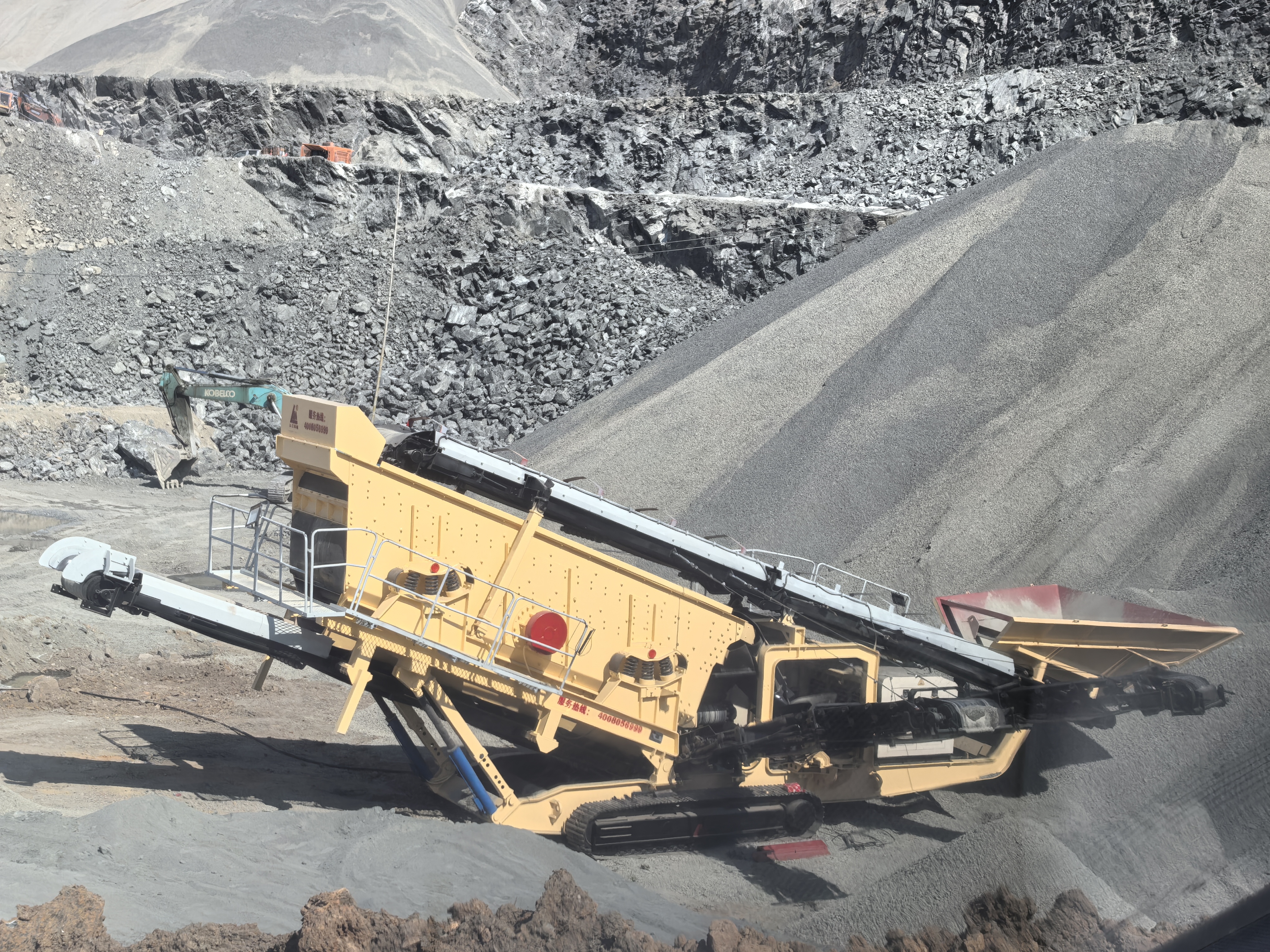
An inclined screen combines vibration with a sloping deck. Gravity assists material travel, while vibration helps loosen the material bed and bring smaller particles into contact with the openings.
A tracked inclined screening plant is worth considering for:
- Free-flowing crushed stone, sand and gravel.
- General aggregate classification after crushing.
- Pre-screening duties within the machine’s feed-size and loading limits.
For example, a quarry processing relatively dry crushed stone into several commercial aggregate sizes may find an inclined configuration suitable. The selection still needs to account for deck area, feed grading, screen media and the required separation sizes.
Increasing the deck angle is not a guaranteed way to increase useful output. Faster material travel can give particles close to the screen opening size less time to pass through. The operating setting must balance material movement with separation performance.
When to Consider a Tracked Horizontal Screening Plant
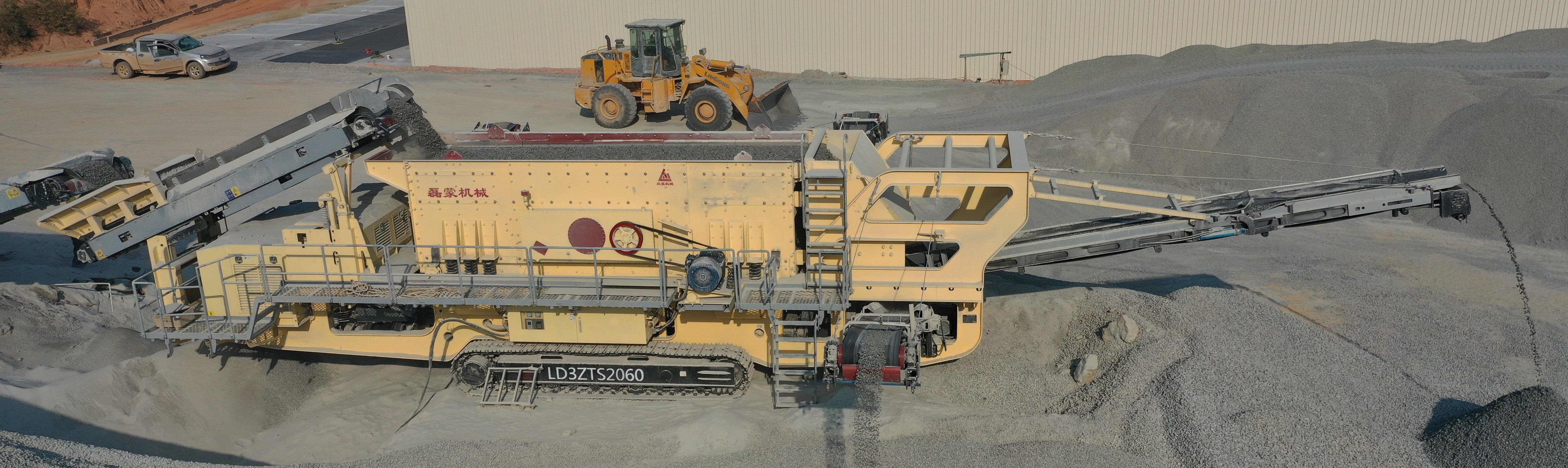
A horizontal screen operates with a flat or near-flat deck. Its vibration provides the movement needed to carry material forward and expose particles to the screening surface.
A tracked horizontal screening plant is worth evaluating when:
- Finished-product grading requires close control.
- The feed contains a substantial proportion of particles close to the screen opening size.
- The application calls for careful control of material travel.
- Available operating height is limited.
Near-size particles are particularly important. A particle just smaller than an opening generally has fewer opportunities to pass than a much smaller particle. Screen motion, material distribution and bed depth (the thickness of material on the screen deck) therefore matter when making a demanding separation.
A horizontal design can be suitable for these duties, but the deck orientation alone does not guarantee better accuracy or longer retention time. Performance depends on the machine’s motion, settings, screen media and feed conditions.
Likewise, a lower screen-box profile does not automatically mean a lower transport height. Compare the complete plant’s operating and transport dimensions.
Inclined vs. Horizontal Screens: A Practical Comparison
| Selection question | Inclined screen | Horizontal screen |
| How does material travel? | Gravity assists vibration in moving material down the deck | Vibration provides most of the forward movement |
| Where should evaluation start? | Free-flowing aggregates and routine sizing duties | Demanding classification duties or restricted operating headroom |
| What controls material travel? | Deck angle and vibration settings | Vibration characteristics and settings |
Both configurations can operate as part of a mobile crushing and screening line. Relocation frequency alone does not determine which screen type to choose.
Four Factors That Can Change the Selection
1. Feed Grading and Near-Size Content
Maximum feed size is only part of the picture. Two materials with the same maximum size can behave very differently if one contains far more particles close to the required cut size.
Provide a feed grading analysis where available. It gives a better basis for selection than a description such as “small crushed stone.”
2. Moisture and Clay
Wet fines and clay can coat particles, bind material together and blind screen openings. As the usable open area decreases, separation and throughput can suffer.
Changing from an inclined screen to a horizontal screen does not automatically solve this problem. Depending on the material, the solution may involve different screen media, feed preparation or a washing process.
3. Screen Media and Product Requirements
Screen opening size, aperture shape, wire thickness and media type affect both separation and wear performance.
Screen media with the same nominal opening can have different open areas because of differences in wire thickness or panel design. Check the actual open area of the proposed media when comparing configurations. Equipment selection should therefore consider the proposed screen media, rather than screen-box dimensions alone.
Specify the required product grading and acceptable off-size content, not just the nominal product names.
4. Feed Consistency and Circuit Loading
Surges in feed can create a deep material bed, making it harder for smaller particles to reach the screen surface. Uneven distribution can overload one side while leaving the other underused.
In a closed circuit, the screen may receive both fresh crushed material and recirculating material. Its duty must be assessed using the expected total load, together with feeder and conveyor capacity.
Compare Saleable Output, Not Just Feed Tonnes
When assessing a mobile screening plant for aggregates, ask how much compliant product it can deliver under the expected feed conditions.
Useful comparison points include:
- Output meeting the specified grading.
- Misplaced fines and oversize in each product.
- Recirculating load (Material returned to the crusher for another pass).
- Screen-media wear and replacement access.
- Cleaning requirements and downtime.
- Fuel or electricity use per tonne of acceptable product.
A higher feed rate is useful only if the plant maintains the required separation. Ask for a performance estimate based on representative material information and clearly stated operating assumptions.
Check How the Tracked Screening Plant Fits Your Site
The screen box is only part of the selection. A tracked mobile screening plant also needs to fit the crusher discharge, stockpile layout and transport arrangements.
Before ordering, check:
- Feed connection: Can the upstream conveyor feed the hopper at the required height and rate?
- Stockpile space: Is there enough room for each product conveyor and for loaders to remove material?
- Transport requirements: What are the transport dimensions, total weight and preparation steps for relocation?
- Power supply: Does the proposed drive arrangement suit the energy available on site?
- Maintenance access: Can operators safely reach the screen decks, replace screen media and clear accumulated material?
Check these points on the complete plant layout. Screen-box dimensions alone will not show whether the machine fits your operation.
Discuss Your Screening Requirements with Leimeng
To start a discussion, send us four details:
- Material type.
- Required capacity in tonnes per hour.
- Maximum feed size.
- Required product sizes.
Material photos or a short operating video are also useful. If you do not have a full feed analysis, start with the information available. Our team can discuss what else is needed to assess a suitable configuration.
FAQ
Can one tracked screening plant produce several aggregate sizes?
Yes, depending on the number of screen decks and the discharge arrangement. Confirm the required product fractions first, then check whether the proposed plant can separate and stockpile them independently.
Can I change the finished-product sizes later?
Changing screen media can alter the separation sizes within the machine’s design limits. However, a finer cut may affect throughput, so revised product requirements should be checked before changing the configuration.
What if I do not have a material test report?
Start with the material name, photos, maximum feed size, target capacity and required product sizes. Grading or moisture testing may be needed where material conditions make performance difficult to predict.