
Hard Rock Crusher: How to Choose the Right Equipment
Hard Rock Crusher: How to Choose the Right Equipment
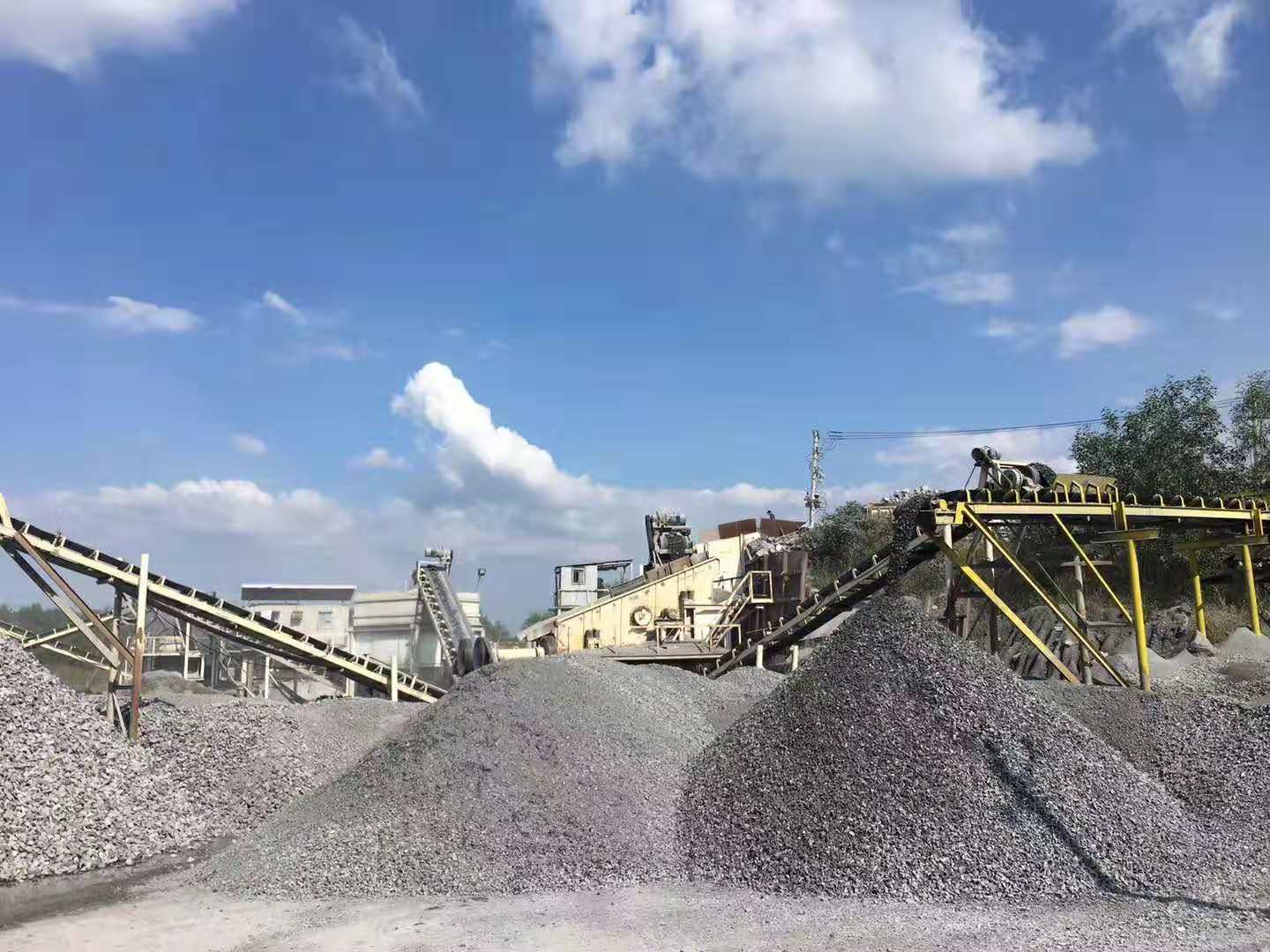
Choosing a hard rock crusher is easier when you start with your production needs: what rock will you process, how large are the incoming stones, and what sizes do your clients need?
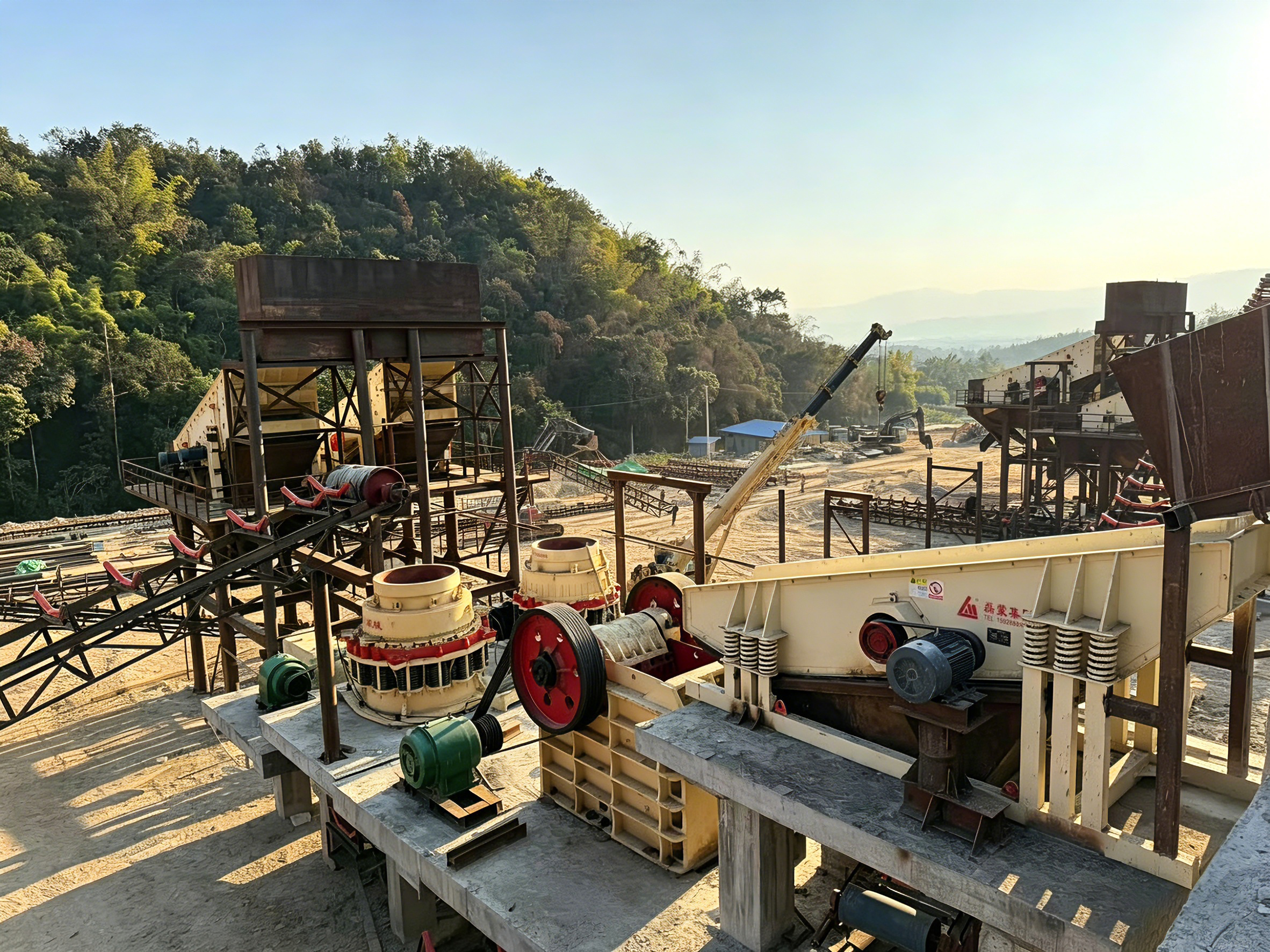
For many granite, basalt and diabase projects, a jaw crusher handles the first stage, followed by a cone crusher for further crushing. This is a common arrangement, but the equipment size and number of stages depend on the material and finished products.
Here is what to check before buying.
1. Know Your Raw Material
The rock name is a starting point. Granite from two quarries can behave differently during crushing, so it helps to provide more than “we process granite.”
Start with these details:
| What to Check | Why It Matters |
| Largest incoming stone | The crusher must accept it within the manufacturer’s recommended feed limits |
| Range of stone sizes | A feed containing many small particles behaves differently from one made up mostly of large blocks |
| How difficult the rock is to break | This affects equipment selection and production capacity |
| How abrasive the rock is | This affects wear on jaw plates, cone liners and other parts |
| Clay and moisture | Sticky material may cause buildup and block screen openings |
| Required finished sizes | This helps determine the crushing stages and screening arrangement |
Rock that is difficult to break is not necessarily the most abrasive. Both properties should be considered.
If you do not have test results, start with material photos, approximate stone sizes and information about the quarry. Samples or testing may be needed before the final equipment selection.
2. Understand What Each Crusher Does
Jaw crusher: reduce large stones first
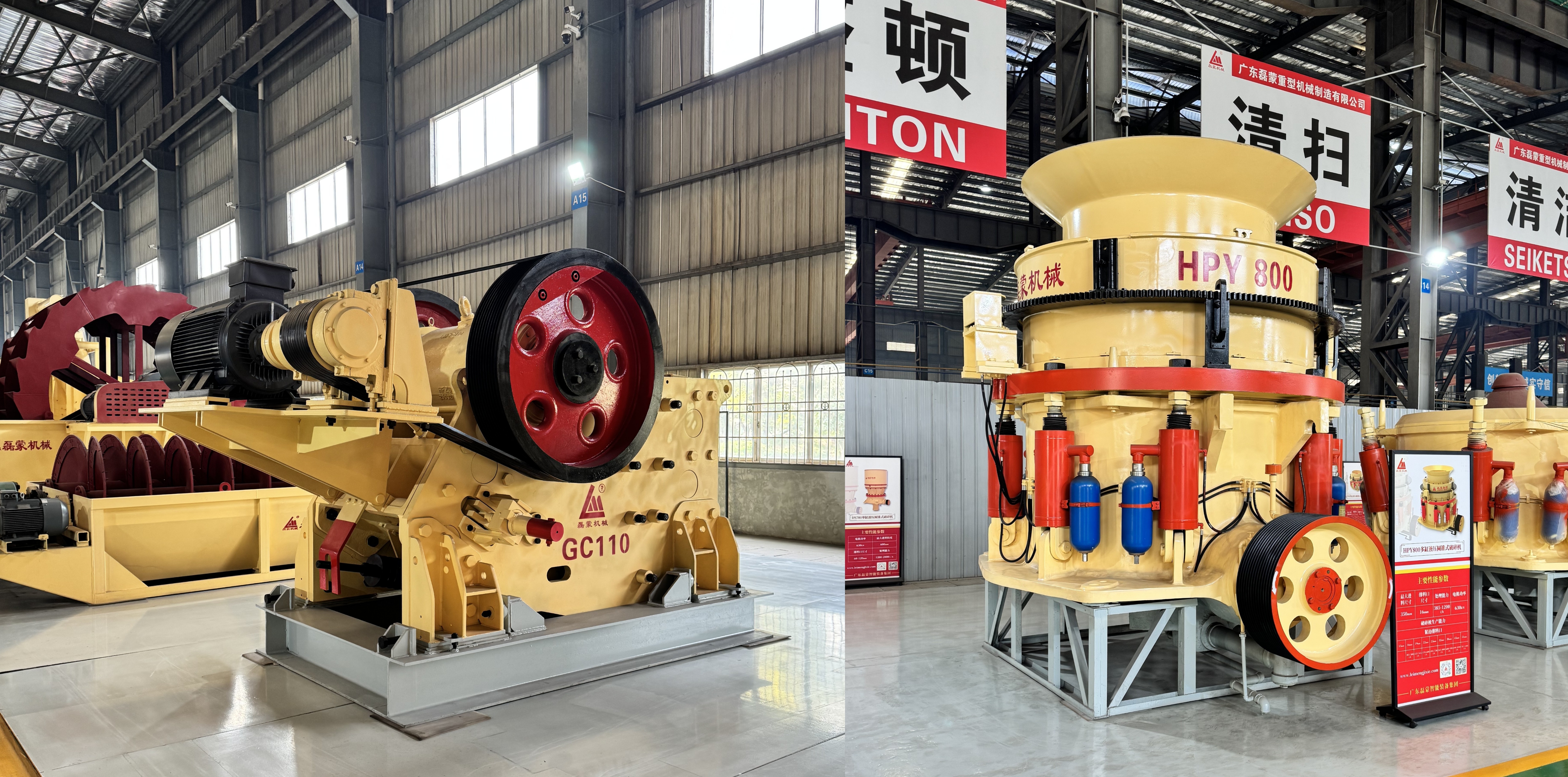
A jaw crusher is commonly used at the start of a hard rock crushing plant. It breaks large stones into smaller pieces that the next crusher can handle.
When selecting a jaw crusher for granite, check both the incoming stone size and the required hourly capacity. Its discharge must also suit the next machine.
If the jaw crusher produces pieces that are too large for the cone crusher, the plant may experience blockages or reduced output.
Cone crusher: make smaller aggregate
A cone crusher usually follows the jaw crusher. It further reduces the material to help produce the required aggregate sizes.
Cone crushers are commonly used for hard, abrasive rock. However, the crushing chamber—the space where the rock is crushed—must match the incoming material and production target.
For example, choosing a cone crusher for basalt involves more than selecting a model by tonnes per hour. The feed size and required finished sizes also matter.
Crusher settings affect the size distribution of the discharge. They do not make every stone the same size, which is why screening is needed.
Impact crusher: check wear costs carefully
A horizontal-shaft impact crusher can produce well-shaped aggregate, but highly abrasive rock may cause rapid wear on its blow bars and liners.
It can be used for some hard-rock applications. Before selecting it, compare the expected wear-part consumption, maintenance needs and product requirements.
VSI sand maker: add it when shaping or sand production is needed
A VSI sand maker may be used after crushing to improve particle shape or produce manufactured sand.
It is not necessary for every project. If the existing crushing process already meets the aggregate specification, an additional shaping stage may not be needed.
3. Match the Screens and Conveyors to the Crushers
Crushers reduce stone size. Screens separate the crushed material into different size groups.
In a closed circuit, oversized material returns to the crusher for another pass. Any crusher, screen or conveyor handling both new feed and returned material must have enough capacity for the total amount.
If a screen cannot separate material fast enough, or a conveyor cannot carry it away, the entire line may lose output—even when the crushers have capacity available.
Ask your supplier to check the crushers, screens and conveyors together.
4. Specify the Finished Products You Need
“300 tonnes per hour” does not tell a supplier everything needed to design the plant.
Also explain:
- Which aggregate sizes you want to produce.
- How much of each size you expect to sell.
- Whether the material is for concrete, asphalt, road base or another use.
- Whether you also need manufactured sand.
The number of finished products and their required size ranges help determine the screen arrangement. Separate stockpiles may also be needed to keep different products from mixing.
Material labelled 0–5 mm is not automatically suitable as fine aggregate for concrete. Its particle-size distribution, fines content, cleanliness and other properties must meet the requirements of the intended application.
5. Compare Running Costs as Well as Purchase Price
A lower purchase price does not always mean a lower production cost.
When comparing proposals, include electricity, wear parts, labour and maintenance. Also check how quickly replacement parts can reach your site and how easily technicians can access the equipment.
The useful question is: what will it cost to produce one tonne of aggregate that meets your sales requirements?
Compare proposals using the same material conditions and product targets. Otherwise, the cost figures may not be comparable.
Discuss Your Project with Leimeng Group
To start a discussion, send us:
- Your project location.
- The rock type and material photos.
- The largest incoming stone size.
- Your required output in tonnes per hour.
- The finished aggregate sizes you need.
- Any information about clay, moisture and site conditions.
If you are upgrading a plant, include the existing equipment and the problem you want to solve.
Our team can use this information to discuss a suitable configuration and identify any further data needed before final selection.
FAQ
What crusher is commonly used for granite?
A jaw crusher is commonly used for the first stage, followed by a cone crusher for further reduction. The final arrangement depends on the feed and product requirements.
Can an impact crusher crush hard rock?
Yes, in suitable applications. However, abrasive rock may cause high wear costs, so material properties and maintenance requirements should be checked first.
Do I need a VSI sand maker?
Only if your sand-production or particle-shape requirements call for it. Not every aggregate plant needs one.
Will a larger crusher increase output?
It may help if the crusher is the bottleneck. If feeding, screening or conveying is limiting production, those issues need to be addressed.