
500 TPH Granite Crushing Line in Uganda | Leimeng
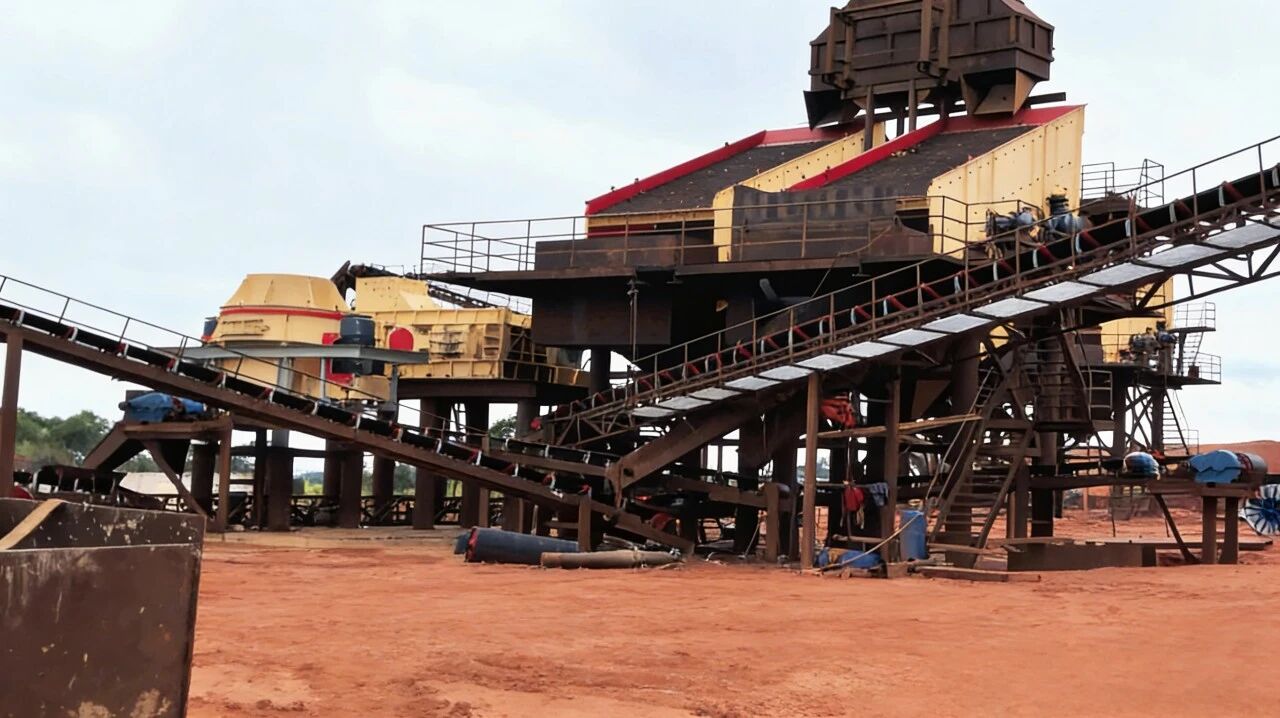
Uganda 500 TPH Granite Project: Reliable Aggregates for Infrastructure
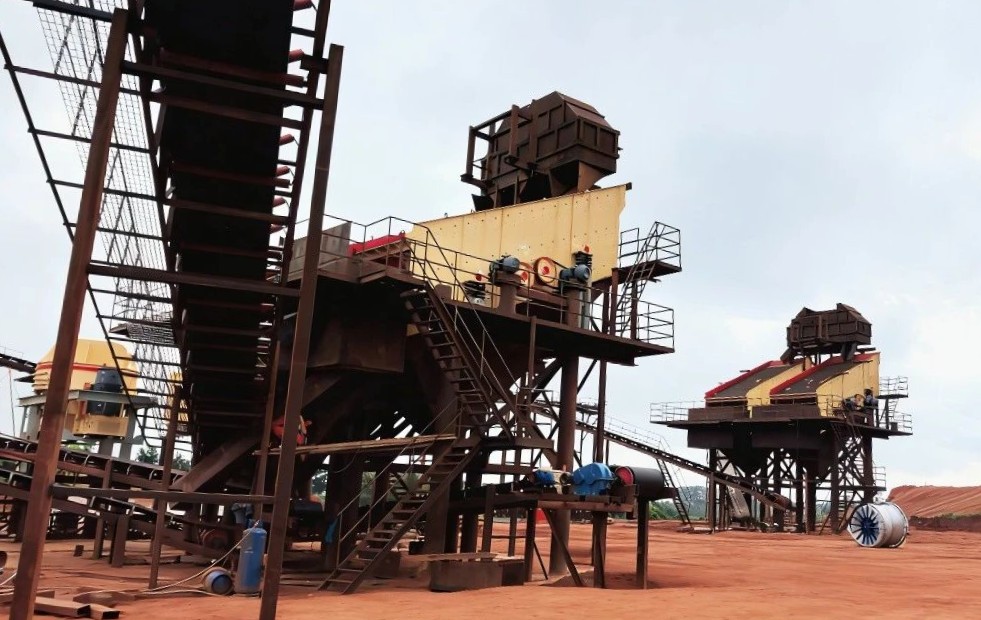
500 TPH Granite Crushing Line for Uganda Infrastructure
Uganda’s construction and infrastructure market is growing steadily. According to the World Bank, Uganda’s construction sector grew by 11.6% in FY2025, supported by public investment in roads and infrastructure. Uganda’s WTSS road transport data, sourced from the Uganda National Roads Authority, also shows that the paved national road network reached 6,133 km in FY2022/23, accounting for 29.1% of the national road network.
To support this demand for stable construction aggregates, Leimeng Group supplied a complete 500 TPH granite crushing line for a project in Uganda. The line is designed for hard-rock crushing, aggregate shaping and multi-size screening, helping the local client produce aggregates for road construction, building materials and municipal infrastructure.
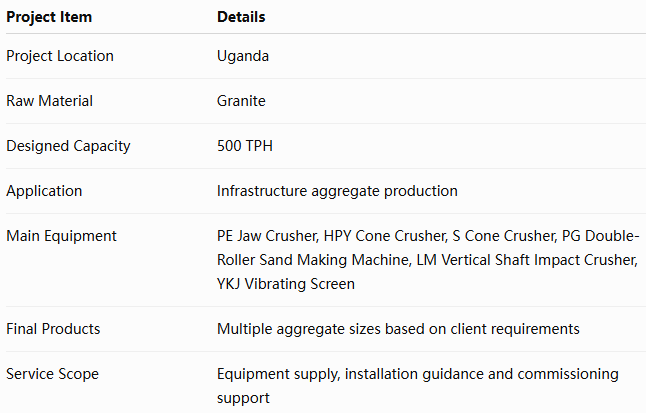
Project Facts
Why Granite Crushing Requires a Complete Process, Not Just One Crusher
Granite is a hard and abrasive rock. In aggregate production, this means the crushing line must be designed around material hardness, feed size, required capacity, final product size and wear cost. A single crusher cannot solve all these requirements. A well-balanced granite crushing line usually needs primary crushing, secondary crushing, fine crushing or shaping, screening and continuous material conveying.
This is why Leimeng did not provide only one machine for the Uganda project. Instead, the project adopted a full-line configuration that combines jaw crushing, cone crushing, sand making and vibrating screening. Each machine has a clear role in the process, and the equipment is matched to support stable output at 500 TPH.
Project Configuration: From Primary Crushing to Final Screening
For this 500 TPH granite crushing line in Uganda, Leimeng supplied the following major equipment:
Technical Overview of the Crushing Line
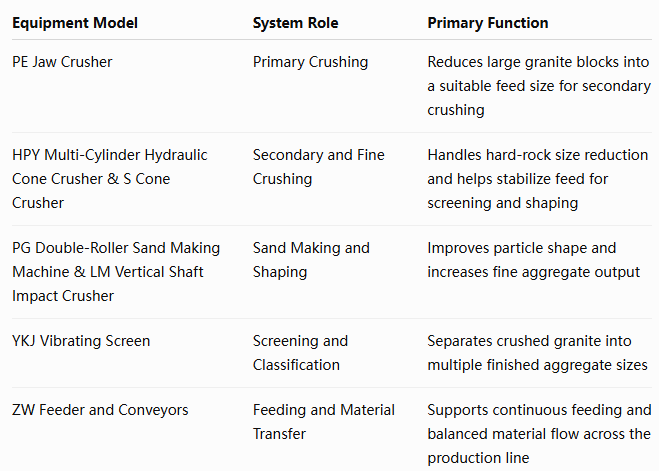
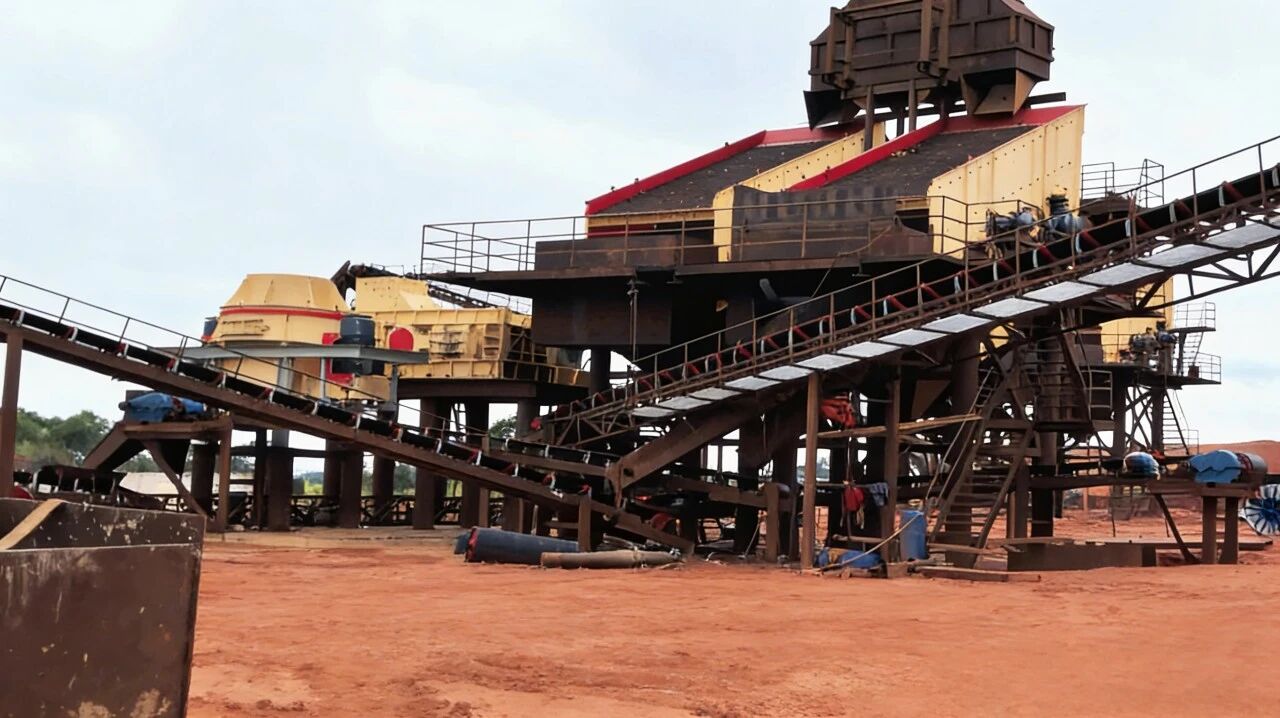
This equipment combination allows the line to handle hard and abrasive granite while maintaining stable capacity, controlled product size and flexible aggregate output for infrastructure applications.
Based on the technical overview above, the line follows a practical hard-rock crushing logic: large granite blocks are first reduced by the PE Jaw Crusher, then processed by HPY and S cone crushers for secondary and fine crushing. After that, PG and LM sand-making equipment improve particle shape and fine aggregate output. Finally, the YKJ Vibrating Screen classifies the material into finished aggregate sizes according to the client’s production requirements.
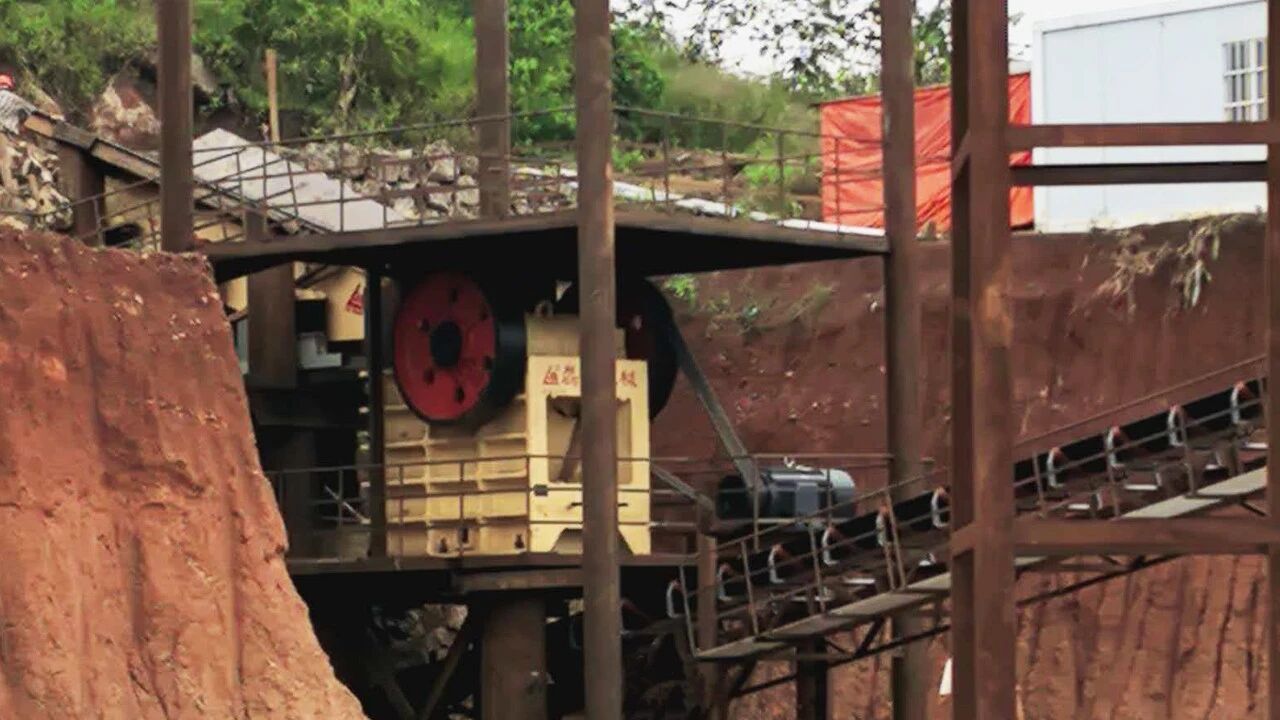
Primary Crushing: PE Jaw Crusher for Large Granite Feed
In a hard-rock aggregate plant, primary crushing is the first and most important size-reduction stage. If the primary crusher is not suitable for the feed material, the downstream cone crushers and screens may face unstable load, high circulating material and unnecessary wear.
For granite, a jaw crusher is often selected as the primary crusher because it can handle large feed sizes and high compressive strength materials. In this Uganda project, the PE Jaw Crusher provides the first-stage crushing force needed to reduce large granite blocks into a more suitable feed size for the next crushing stage.
Secondary and Fine Crushing: Cone Crushers for Stable Hard-Rock Processing
After primary crushing, the material enters the secondary and fine crushing stages. For granite, cone crushers are usually more suitable than impact crushers because cone crushing can better handle hard and abrasive materials while keeping wear cost under control.
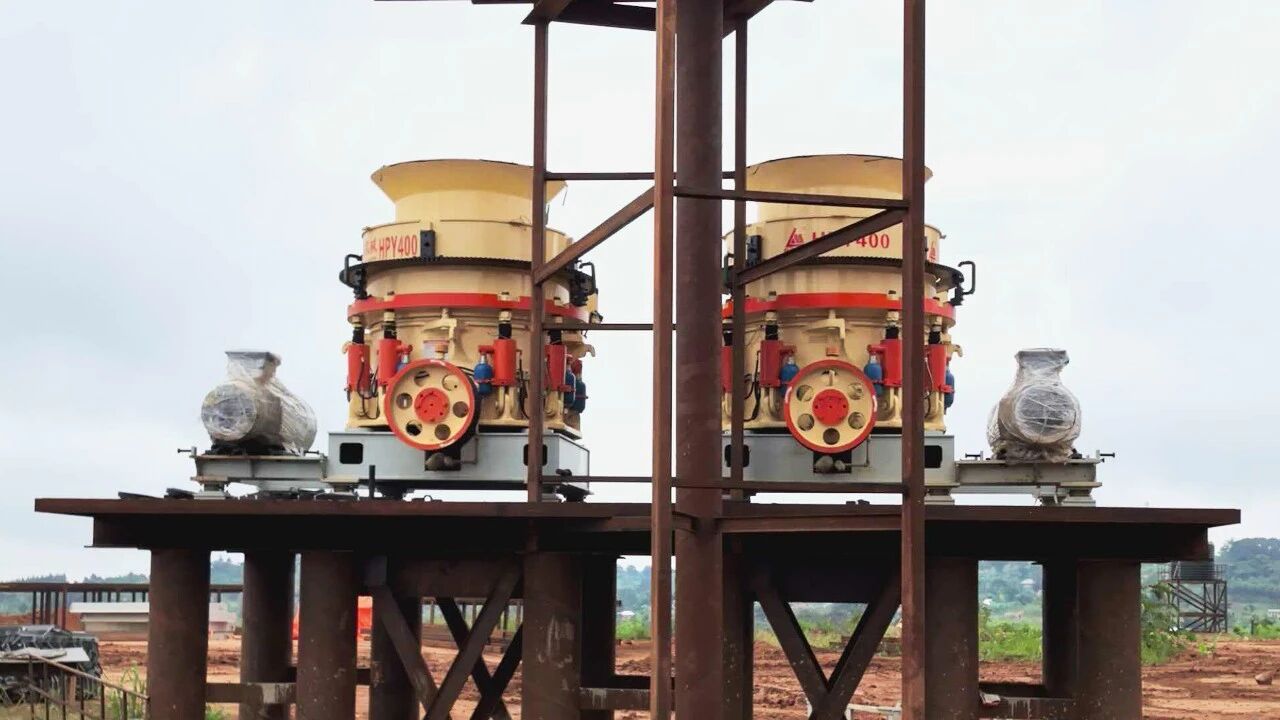
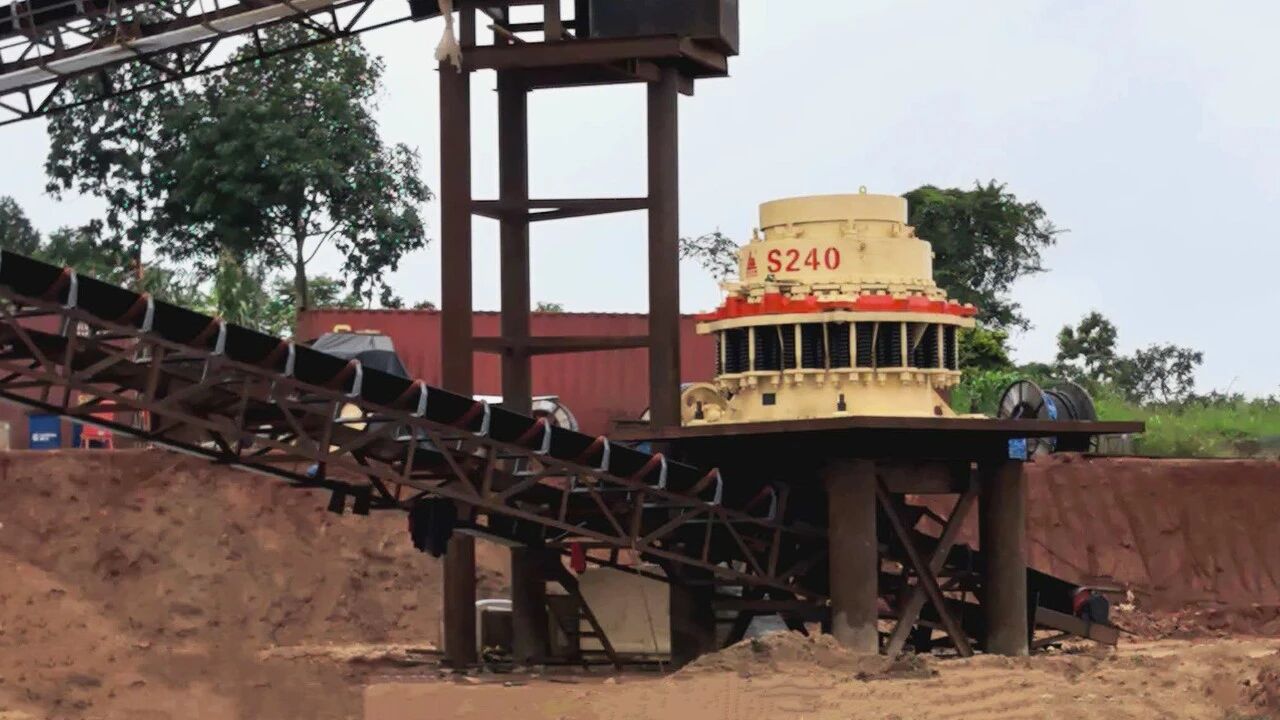
The HPY Multi-Cylinder Hydraulic Cone Crusher and S Cone Crusher in this line help reduce the granite further and create a more consistent feed for screening and shaping. A stable cone crushing stage also helps improve the overall balance of the crushing and screening circuit.
Why Choose Cone Crusher for Granite?
For granite, basalt and other abrasive hard rocks, cone crushers are often preferred in secondary and fine crushing stages because they use compression crushing and generally offer better wear control than impact crushers. This makes them suitable for long-term hard-rock aggregate production where stable discharge size and operating cost matter.
Sand Making and Shaping: Improving Particle Shape and Fine Aggregate Output
For infrastructure aggregates, size is not the only requirement. Particle shape also matters. Well-shaped aggregates can be more suitable for road base materials, concrete aggregates and other construction applications.
In this project, the PG Double-Roller Sand Making Machine and LM Vertical Shaft Impact Crusher support the fine crushing, shaping and sand-making stage. This helps the client produce a wider range of aggregate sizes and improve the value of final products.
Screening: YKJ Vibrating Screen for Product Classification
A vibrating screen is not just an auxiliary machine. In a complete aggregate production line, screening controls final product size, recirculating load and the stability of downstream material flow. If the screen capacity does not match the crusher output, the whole line may lose efficiency.
The YKJ Vibrating Screen in the Uganda line separates crushed granite into different product sizes. This allows the client to adjust production according to local demand for road construction, building aggregates and municipal engineering materials.
A Flexible Line for Different Aggregate Requirements
One advantage of a complete crushing and screening line is flexibility. Different infrastructure projects may require different aggregate sizes and product proportions. Through proper crusher settings, screen configuration and process adjustment, the line can produce multiple aggregate specifications from the same granite source.
This is especially important in markets where infrastructure construction is still expanding. Across Africa, the African Development Bank estimates that the continent needs around USD 130–170 billion per year for infrastructure, with an annual financing gap of USD 68–108 billion. For aggregate producers, this creates long-term demand for reliable crushing and screening capacity.
On-Site Service: Installation, Process Connection and Commissioning Support
For overseas projects, equipment delivery is only one part of the job. A crushing line also needs installation guidance, process connection, commissioning and practical problem-solving on site.
During the Uganda project, the Leimeng engineering team worked closely with the client. The team provided on-site support for equipment installation, process connection and commissioning, helping the project move forward on schedule and reducing uncertainty during construction.
This service approach reflects an important point in modern crushing plant projects: clients do not only need machines. They need a practical production system that can run stably after installation.
Why This Project Matters for Uganda’s Aggregate Supply
A 500 TPH granite crushing line can provide a strong local supply of construction aggregates. For Uganda, where roads, buildings and municipal projects continue to develop, local aggregate production helps reduce dependence on distant material sources and supports faster project execution.
At the same time, a well-designed hard-rock crushing line can help the client improve product consistency, control production cost and respond more quickly to changes in local construction demand.
Leimeng’s Experience in Complete Crushing and Screening Solutions
Leimeng Group provides crushing, screening, sand-making and washing equipment for quarry, mining and aggregate production projects. The product range includes jaw crushers, cone crushers, impact crushers, VSI sand making machines, vibrating screens, feeders, mobile crushing plants and complete production lines.
For each project, equipment selection should start with the material, not the machine. Raw material hardness, abrasiveness, feed size, required capacity, final product size and site layout all affect the final configuration. In the Uganda project, the equipment combination was selected around granite crushing and 500 TPH production requirements.
FAQ: Granite Crushing Line in Uganda
Q1: What equipment is used in a 500 TPH granite crushing line?
A typical 500 TPH granite crushing line may include a jaw crusher for primary crushing, cone crushers for secondary and fine crushing, sand-making or shaping equipment, vibrating screens, feeders and conveyors. The final configuration depends on feed size, product size and site requirements.
Q2: Why is a jaw crusher used for granite primary crushing?
Granite is hard and abrasive. A jaw crusher is suitable for handling large hard-rock feed and reducing it to a size that can be processed by cone crushers in the next stage.
Q3: Is a cone crusher suitable for granite?
Yes. Cone crushers are commonly used for secondary and fine crushing of granite, basalt and other hard rocks. They offer stable crushing performance and are generally more suitable for abrasive hard rock than impact crushers.
Q4: Why is vibrating screening important in a granite crushing plant?
Vibrating screens classify crushed material into different sizes and control the recirculating load of the plant. Proper screening helps improve product consistency and overall plant efficiency.
Q5: How can Leimeng recommend a suitable crushing line?
To recommend a suitable solution, Leimeng usually needs to know the raw material, feed size, required capacity, final product sizes, site layout and whether the client needs stationary, wheeled or crawler mobile equipment.
Q6: What makes granite difficult to crush?
Granite has high hardness and abrasiveness, which means the crushing line should be designed with suitable primary crushing, cone crushing, screening and wear control.
Q7: Can this type of crushing line be used in other African countries?
Yes. A similar hard-rock crushing configuration can be adapted for projects in Africa and other overseas markets, depending on raw material, capacity, feed size, final aggregate requirements and site conditions.
Conclusion: More Than Equipment, a Complete Hard-Rock Aggregate Solution
The Uganda 500 TPH granite crushing line shows how a complete equipment configuration can support local infrastructure development. From primary jaw crushing to cone crushing, sand making, shaping and vibrating screening, each stage is designed to keep the production system stable and practical for hard-rock aggregate production.
For clients in Africa and other overseas markets, Leimeng Group can provide not only crushing and screening equipment, but also process configuration, installation guidance and commissioning support. Based on the client’s material, capacity and final aggregate requirements, Leimeng helps build practical production lines for long-term operation.